 English
 Español
 عربى
عربى Türk
TürkTo use an air compressor for your car, connect the inflation hose to the compressor outlet, attach the chuck to the tire valve stem, power on the compressor, and inflate to the manufacturer-recommended PSI printed on your door jamb sticker — typically 30 to 35 PSI for most passenger vehicles. Beyond inflating tires, a home or portable air compressor can power impact wrenches, blow out debris, operate spray guns, and run a range of pneumatic tools that make DIY car maintenance faster and more affordable. This guide walks through every key use case, safety requirement, and compressor selection consideration so you can get the most out of this essential garage tool.
Content
- What You Need Before Using an Air Compressor for Your Car
- How to Use an Air Compressor to Inflate Car Tires: Step by Step
- Recommended Tire Pressure by Vehicle Type
- Other Ways to Use an Air Compressor for Car Maintenance
- Which Air Compressor Is Best for Car Use? Type Comparison
- Air Compressor Safety Rules Every Car Owner Must Follow
- How to Maintain Your Air Compressor for Long Service Life
- Frequently Asked Questions About Using an Air Compressor for Car
- What PSI should I set my air compressor to for car tires?
- Can a small 6-gallon compressor run an impact wrench?
- How do I know if my tire is over-inflated after using a compressor?
- Can I use a car air compressor for a completely flat tire?
- How often should I check my car tire pressure with a compressor?
- Do I need oil-free or oil-lubricated compressor for car use?
- Conclusion: Getting the Most from Your Air Compressor for Car Maintenance
What You Need Before Using an Air Compressor for Your Car
Having the right accessories and understanding your compressor's specifications before you start prevents the most common mistakes — under-inflation, over-inflation, and tool incompatibility.
Essential Equipment Checklist
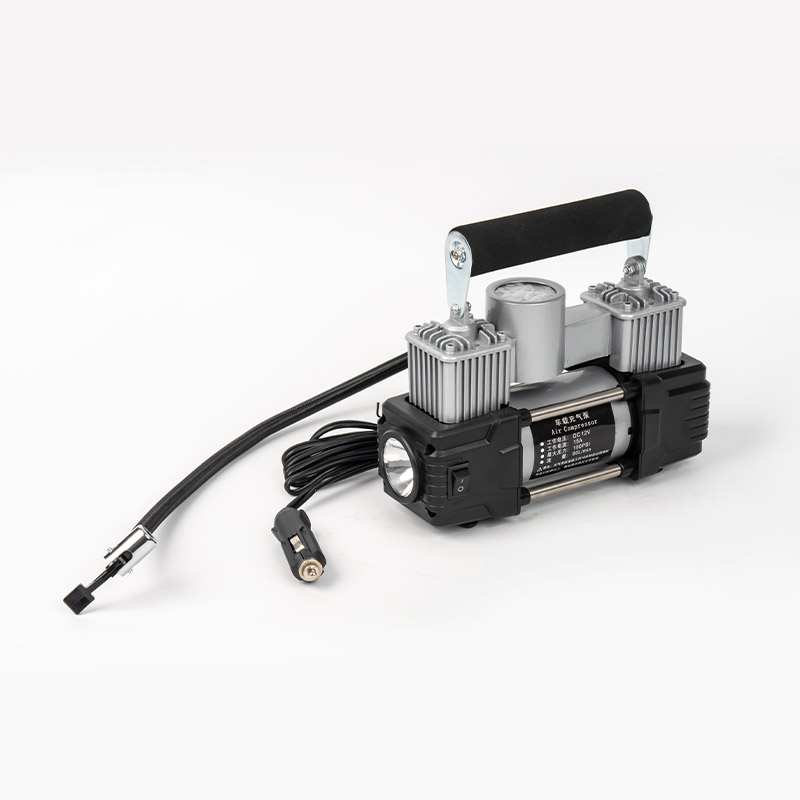
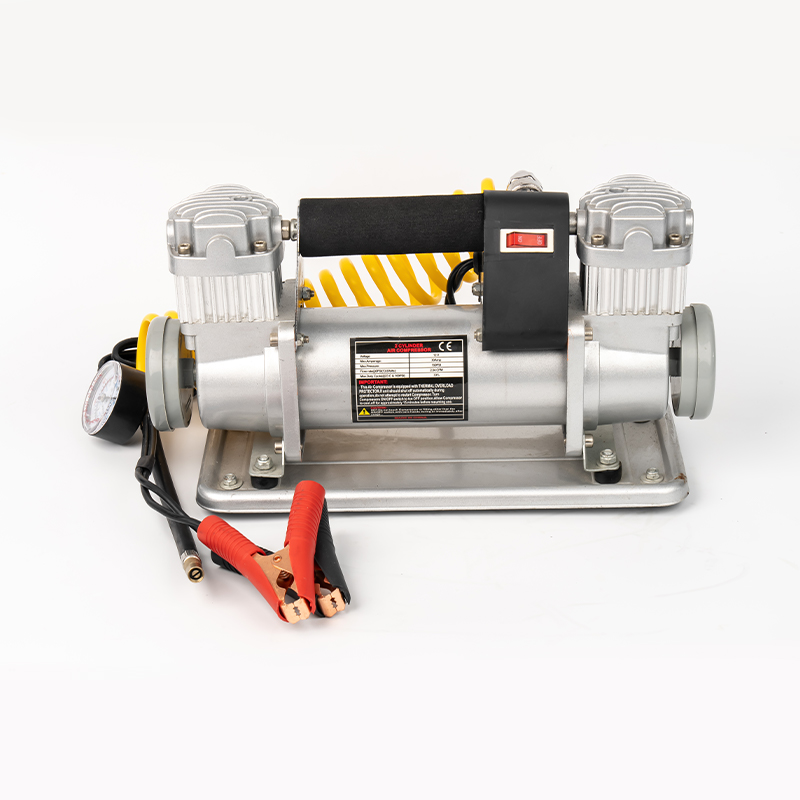
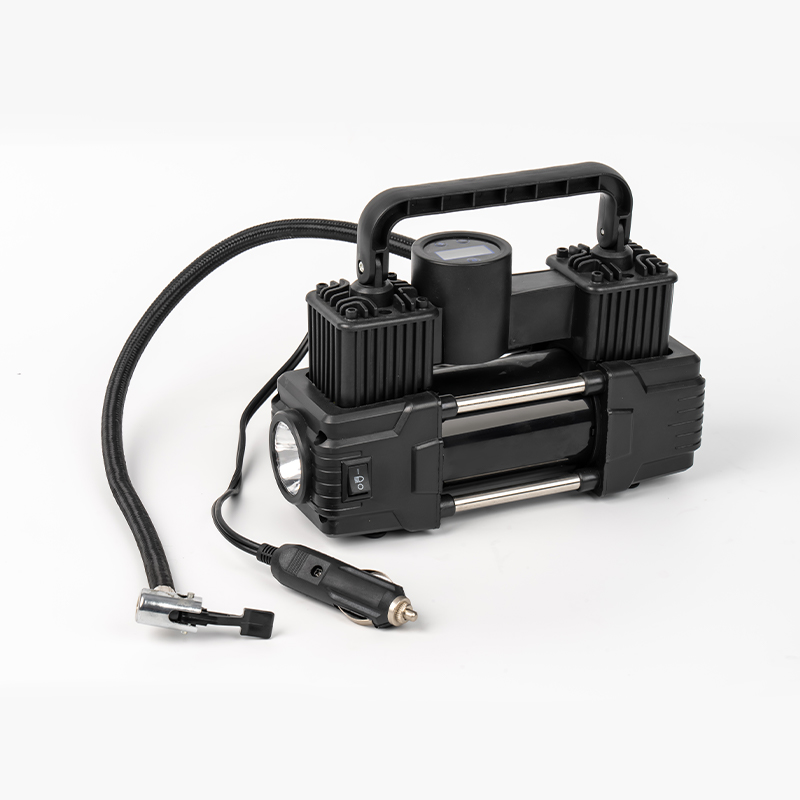
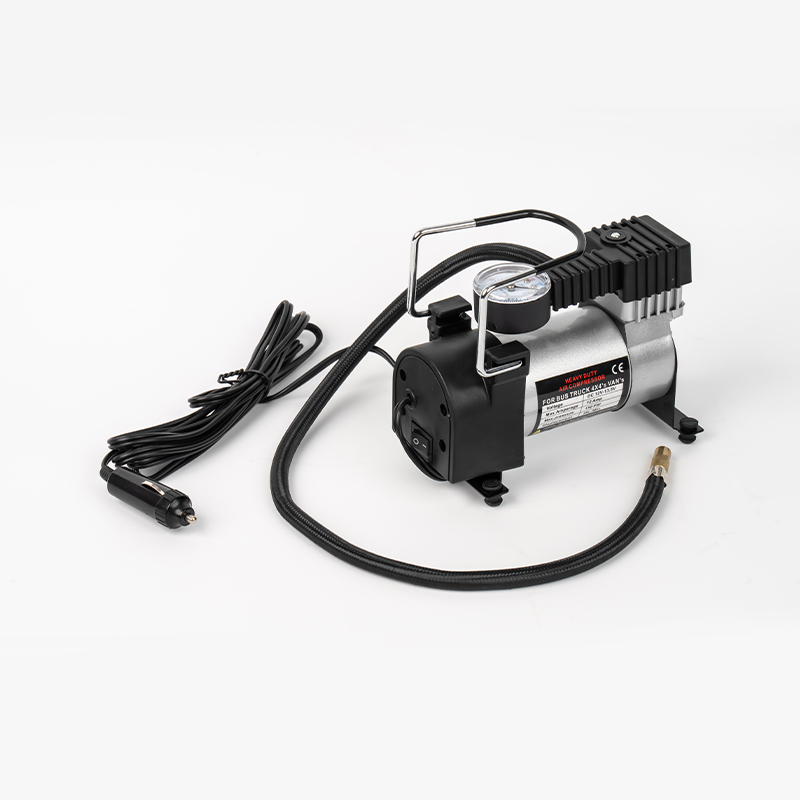
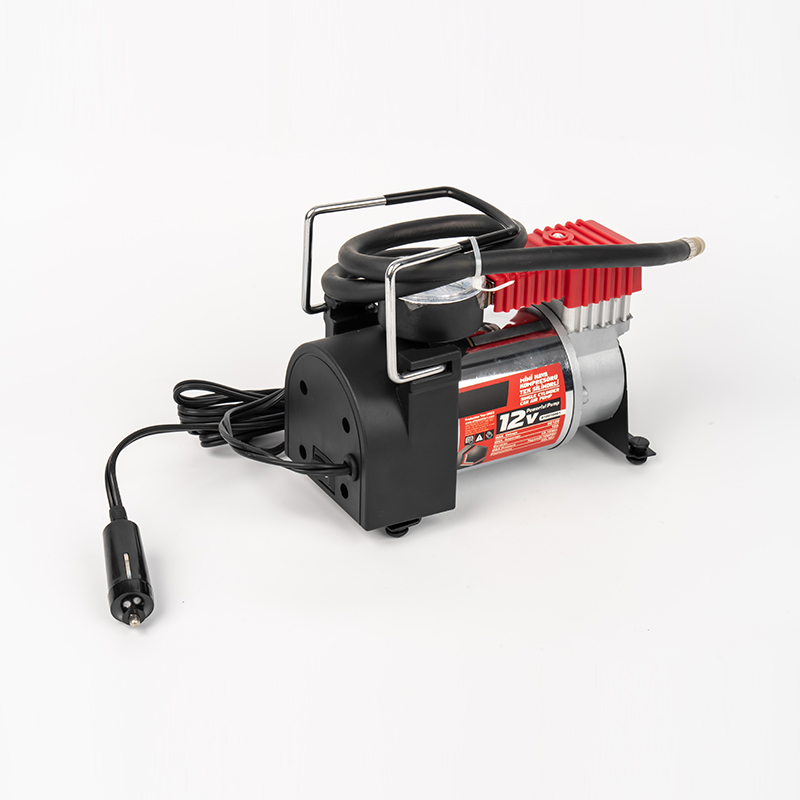
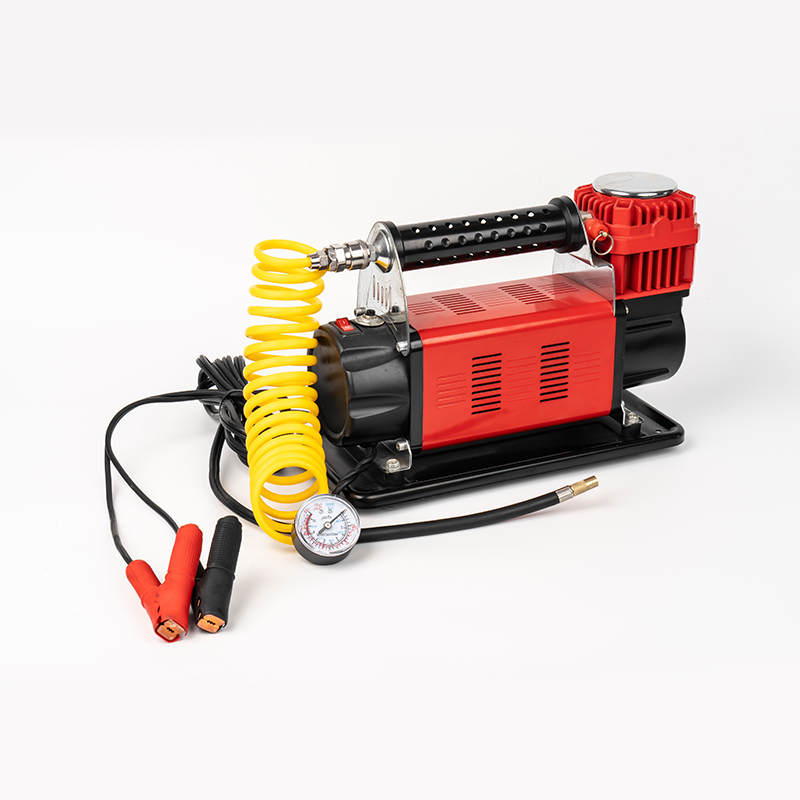
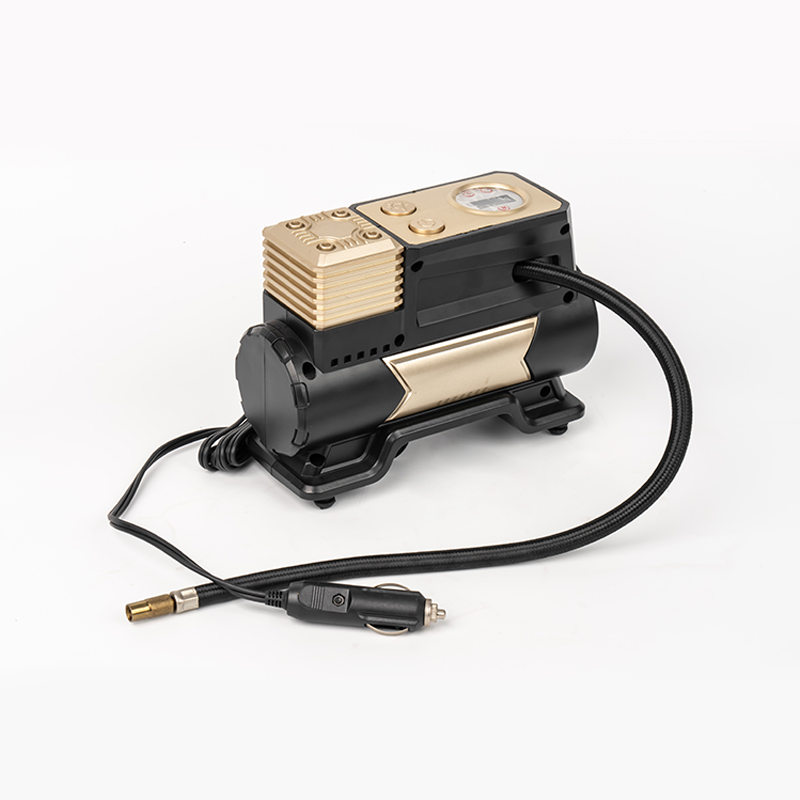
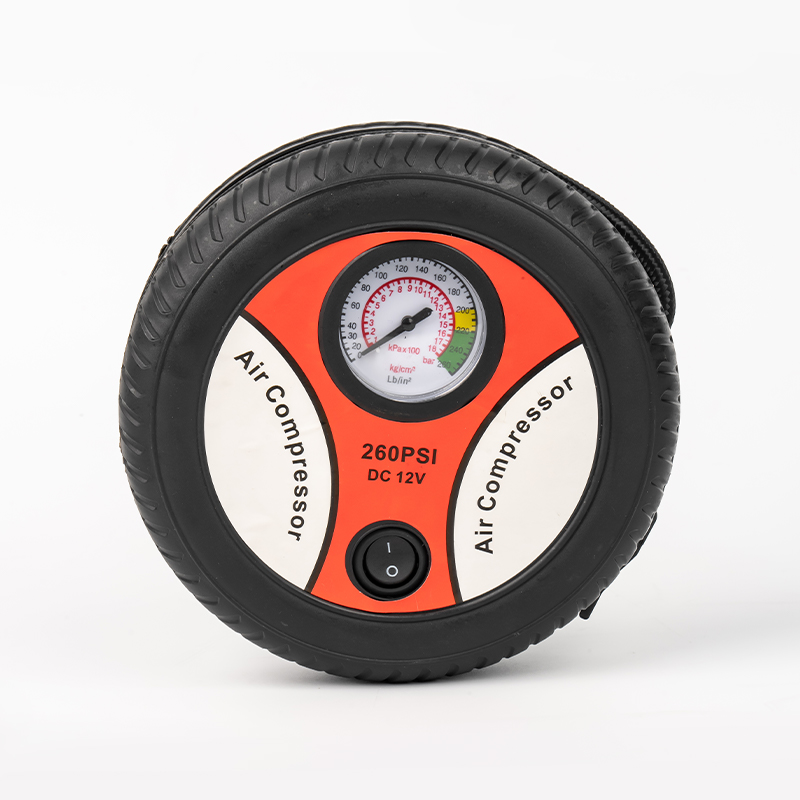
- Air compressor: A tank-based compressor (6 to 20 gallons) handles most car tasks with ease. A portable 12V compressor works for tire inflation on the road but lacks the volume for power tools.
- Tire inflator with pressure gauge: A dedicated inflator chuck with a built-in dial or digital gauge allows you to monitor PSI accurately while filling. Accuracy within ±1 PSI is standard on quality units.
- Air hose: A 25-foot (7.5 m) hose reaches all four tires from one compressor position in most driveways. Hybrid rubber/PVC hoses remain flexible in cold weather.
- Quick-connect fittings: Universal industrial-style (Type D) quick-connect couplers allow tool changes in seconds without shutting off the compressor.
- Safety glasses: Mandatory when using any air-powered tool or blowing debris from brake components or engine bays.
- Tire pressure reference: Check the sticker on the driver's door jamb or the owner's manual for your vehicle's recommended cold tire pressure — never rely on the maximum pressure listed on the tire sidewall, which is the tire's structural limit, not the recommended operating pressure.
Key Compressor Specifications to Know
- CFM (Cubic Feet per Minute): The volume of air the compressor delivers. Tire inflation requires only 1–2 CFM. An impact wrench needs 4–6 CFM. A DA sander needs 8–12 CFM. Always match the tool's CFM requirement to the compressor's output at your working pressure.
- Max PSI: Most car-use compressors operate at 90–150 PSI max. Tire inflation uses 30–35 PSI; most air tools operate at 90 PSI. A higher max PSI gives the compressor more headroom and faster tank refill speed.
- Tank size (gallons): Larger tanks provide a reserve of compressed air that prevents the motor from cycling on and off constantly during tool use. For impact wrench use, a minimum 6-gallon tank is recommended. For a spray gun, 20+ gallons is preferred.
- Duty cycle: The percentage of time the compressor can run continuously. A 50% duty cycle means it needs to rest as long as it runs. For extended tasks like painting, a 100% duty cycle (continuous-run) compressor is essential.
How to Use an Air Compressor to Inflate Car Tires: Step by Step
Inflating car tires with an air compressor takes under five minutes per tire when done correctly, and maintaining proper tire pressure improves fuel economy by up to 3% and extends tire life by 4,700 miles on average according to US Department of Energy data.
Step 1: Check Cold Tire Pressure First
Always measure tire pressure when the tires are cold — meaning the car has been stationary for at least three hours or driven fewer than 1 mile (1.6 km). Driving heats the air inside the tire and raises pressure by 4 to 6 PSI. Inflating a warm tire to the recommended cold PSI will leave it over-inflated once it cools. Remove the valve stem cap and press a quality tire gauge firmly onto the valve for a clean reading.
Step 2: Set the Regulator on Your Air Compressor
Set your compressor's output regulator to 40–45 PSI when inflating standard car tires — this gives you a comfortable margin above the target pressure so the hose delivers air efficiently, while preventing accidental over-inflation if you hold the chuck on too long. Turn the regulator knob clockwise to increase output pressure; counterclockwise to decrease. The regulator gauge should read your set pressure once the tank is charged.
Step 3: Connect the Inflator Chuck to the Valve Stem
Press the inflator chuck straight onto the valve stem — do not angle it, as this can depress the valve core unevenly and cause air to escape around the seal. A properly seated chuck produces a tight seal with no audible air leakage. Lock-on chucks (with a lever that clips onto the valve) are much easier to use solo than push-on chucks, particularly on rear tires with limited clearance.
Step 4: Inflate in Short Bursts and Check Frequently
Add air in 5-second bursts, then check the pressure reading on the inflator gauge after each burst — this prevents over-inflation, which is harder to fix quickly in a driveway than under-inflation. Most tires that are 5–10 PSI low will reach target pressure in two to three 5-second bursts. Do not leave the chuck unattended with air flowing continuously.
Step 5: Release Excess Pressure If Over-Inflated
If you overshoot the target PSI, use the small bleed valve on the inflator chuck (or the pin in the center of the valve stem) to release air in short taps until the gauge reads correctly. Recheck with a standalone tire gauge for confirmation — inflator gauges can read slightly high under pressure from the hose. Replace the valve stem cap when done.
Recommended Tire Pressure by Vehicle Type
The correct tire pressure varies significantly by vehicle class — inflating an SUV tire to sedan-level PSI will leave it dangerously under-inflated, while over-inflating a compact car tire reduces traction and ride quality.
| Vehicle Type | Typical Front PSI | Typical Rear PSI | Notes |
| Compact / Subcompact car | 30 – 33 PSI | 30 – 33 PSI | Often same front and rear |
| Mid-size sedan | 32 – 35 PSI | 32 – 35 PSI | Check door jamb sticker |
| SUV / Crossover | 33 – 36 PSI | 33 – 36 PSI | May differ front/rear when loaded |
| Full-size pickup truck | 35 – 45 PSI | 50 – 80 PSI (when loaded) | Rear PSI increases significantly under load |
| Minivan | 35 – 38 PSI | 35 – 44 PSI | Rear often higher due to load capacity |
| Sports car / Performance | 32 – 38 PSI | 32 – 42 PSI | Front/rear may differ significantly |
| Electric vehicle (EV) | 40 – 45 PSI | 40 – 45 PSI | Higher pressure due to battery weight |
Table 1: General tire pressure guidelines by vehicle type. Always verify your specific vehicle's recommended PSI on the driver's door jamb sticker or owner's manual, as actual values vary by model and trim level.
Other Ways to Use an Air Compressor for Car Maintenance
A garage air compressor with a 6-gallon or larger tank can handle virtually every pneumatic task in DIY car maintenance — from removing lug nuts to painting panels — dramatically reducing the time and physical effort required compared to hand tools.
Using an Air Compressor with an Impact Wrench
An air impact wrench is the fastest and most practical tool for removing and installing lug nuts, and most 1/2-inch impact wrenches require 4–5 CFM at 90 PSI — well within the capability of a standard 6-gallon pancake compressor for short bursts. Set your regulator to exactly 90 PSI for most impact wrenches; running above the tool's rated pressure accelerates internal wear without improving torque. A typical 1/2-inch air impact wrench delivers 300–450 ft-lbs of torque — more than enough for passenger car lug nuts, which are typically torqued to 80–120 ft-lbs. Connect the impact wrench via a quick-connect fitting, select the correct socket size (typically 17mm, 19mm, or 21mm for most cars), and apply steady forward pressure on the fastener while triggering the tool.
Using an Air Compressor to Clean and Blow Out Debris
A blow gun attachment transforms your air compressor into a powerful cleaning tool for brake dust from rotors, debris from air filter housings, moisture from hard-to-reach areas, and dust from interior vents. Use a standard straight-tip blow gun at 30–60 PSI for most cleaning tasks. Reduce pressure to 20–30 PSI when blowing debris from electronic components or near sensors. Always wear safety glasses — brake dust in particular contains fine particles that are hazardous to eyes and lungs, and high-pressure air can propel debris at high speed in unpredictable directions.
Using an Air Compressor with a DA (Dual-Action) Sander
An air-powered DA sander is the standard tool for automotive bodywork preparation, producing a swirl-free finish when used with 120 to 320 grit discs — but it demands 8–12 CFM at 90 PSI, requiring a compressor with at least a 20-gallon tank for sustained use. Smaller compressors can power a DA sander intermittently but will cycle on and off constantly, slowing work. When sanding large body panels, a larger tank (20–30 gallons) or a two-stage compressor prevents pressure drops that cause the sander to slow mid-stroke and leave uneven finish marks in the paint or primer.
Using an Air Compressor with a Spray Gun for Car Painting
Spraying car paint or primer with an HVLP (High Volume Low Pressure) spray gun requires 10–15 CFM at 25–30 PSI at the gun, making it the most demanding task for a home compressor and typically requiring a 20-gallon or larger tank. Maintain consistent air pressure throughout the spray pass — pressure drops below 20 PSI at the gun cause uneven paint atomization and orange-peel texture. An inline moisture separator between the compressor and spray gun is essential for automotive painting: even small amounts of water vapor in the air line will create fisheye defects in the paint film. Drain the compressor tank before each painting session to remove accumulated condensation.
Which Air Compressor Is Best for Car Use? Type Comparison
For most home mechanics, a 6-gallon pancake or 8-gallon hot-dog compressor handles tire inflation and light tool use well; serious DIY mechanics who use impact wrenches and sanders regularly should invest in a 20-gallon vertical or horizontal tank compressor.
| Compressor Type | Tank Size | Typical CFM at 90 PSI | Best Car Tasks | Portability | Approx. Price (USD) |
| 12V portable (no tank) | None | 0.5 – 1.0 | Tire inflation only | Excellent (fits in trunk) | 25 – 80 |
| Pancake (6 gallon) | 6 gal | 2.5 – 3.5 | Tire inflation, blow gun, nailers | Good (30 lbs) | 80 – 160 |
| Hot-dog (8 gallon) | 8 gal | 3.0 – 4.5 | Tire inflation, light impact wrench | Good | 100 – 200 |
| Vertical tank (20 gallon) | 20 gal | 5.0 – 7.0 | Impact wrench, DA sander, ratchets | Moderate (garage-based) | 200 – 450 |
| Horizontal tank (30 gallon) | 30 gal | 7.0 – 10.0 | DA sander, spray gun, sustained tool use | Low (stationary) | 350 – 700 |
| Two-stage (60+ gallon) | 60 – 80 gal | 14.0 – 20.0 | Full spray painting, sandblasting, all tools | None (fixed installation) | 800 – 2,500 |
Table 2: Air compressor types for car use compared by tank size, CFM output, best applications, portability, and approximate purchase price.
Air Compressor Safety Rules Every Car Owner Must Follow
Air compressors store energy equivalent to a small explosive device when the tank is fully pressurized — following basic safety rules eliminates the risk of tank rupture, hose failure, and pneumatic tool injuries.
- Never exceed the tank's rated working pressure: The maximum PSI is stamped on the tank. Operating above this pressure risks catastrophic tank failure. The regulator should always limit output below this value.
- Drain the tank after every use: Condensation accumulates inside the tank with every compression cycle. Open the drain valve at the bottom of the tank to release water after each session. Neglecting this leads to internal rust that weakens the tank walls — OSHA data shows tank failures are disproportionately caused by corrosion from accumulated moisture.
- Test the safety relief valve regularly: Pull the ring on the pressure relief valve (PRV) once a month to verify it opens freely. A stuck PRV is the primary safeguard failure that leads to overpressure events.
- Never direct compressed air at skin or body: At 40 PSI, compressed air can penetrate skin and cause an air embolism — a potentially fatal injury. Never use a blow gun to clean hands, clothing, or point it at another person even in jest.
- Inspect hoses and fittings before each use: A cracked air hose under pressure can whip violently. Replace any hose showing cracks, bubbling, or stiffness near the fittings.
- Store the compressor in a dry, ventilated area: Never operate a gas-powered compressor indoors. Electric compressors should be kept away from moisture and flammable materials like gasoline or solvents.
- Always depressurize before maintenance: Release all tank pressure by opening the drain valve and the regulator bleed before performing any maintenance, changing fittings, or disassembling the pump.
How to Maintain Your Air Compressor for Long Service Life
A well-maintained air compressor lasts 10 to 15 years in home-garage use — the key maintenance tasks are draining the tank after every use, changing the air filter annually, and checking oil level monthly on oil-lubricated models.
| Maintenance Task | Frequency | Applies To | Why It Matters |
| Drain tank moisture | After every use | All tank compressors | Prevents internal rust and tank weakening |
| Check / clean air intake filter | Monthly (inspect); Annually (replace) | All compressors | Clogged filter reduces CFM output and overworks pump |
| Check oil level | Monthly | Oil-lubricated models only | Low oil causes premature pump wear and seizure |
| Change compressor oil | Every 3 months or 300 hours | Oil-lubricated models only | Maintains pump lubrication and extends life |
| Test PRV (safety relief valve) | Monthly | All tank compressors | Ensures overpressure protection is functional |
| Inspect hoses and fittings | Before every use | All compressors | Prevents hose failure and air leaks during use |
| Tighten belt tension | Every 6 months | Belt-drive models only | Loose belt reduces pump efficiency and causes slipping |
Table 3: Recommended maintenance schedule for air compressors used in car maintenance, covering all key tasks, frequency, and applicability by model type.
Frequently Asked Questions About Using an Air Compressor for Car
What PSI should I set my air compressor to for car tires?
Set your compressor regulator to 40–45 PSI when inflating standard passenger car tires. This output pressure is above the typical 30–35 PSI target for most car tires, which ensures the hose delivers air efficiently. Your inflator chuck gauge will show the actual tire pressure rising during inflation — stop when it reaches the PSI listed on your vehicle's door jamb sticker, not the number on the tire sidewall.
Can a small 6-gallon compressor run an impact wrench?
Yes, but with limitations. A 6-gallon pancake compressor producing 3–3.5 CFM at 90 PSI can run a standard 1/2-inch impact wrench for short bursts — enough to remove and install 4 to 5 lug nuts before the tank pressure drops and the compressor needs to cycle back up. For a full brake job or suspension work requiring sustained impact wrench use, an 8 to 20-gallon compressor significantly reduces wait time between tool use cycles.
How do I know if my tire is over-inflated after using a compressor?
The most reliable method is checking with a separate quality tire gauge immediately after inflation — inflator gauges can read slightly high due to residual hose pressure. An over-inflated tire visually appears to bulge slightly in the center of the tread when the car is stationary. Driving characteristics also change: over-inflated tires produce a harsher ride, reduced traction (especially in corners), and uneven center-tread wear over time. If over-inflated, use the small bleed valve on your inflator or depress the valve stem pin briefly to release air in small increments until the correct PSI is reached.
Can I use a car air compressor for a completely flat tire?
A completely flat tire (0 PSI) caused by slow leakage or a minor puncture can often be reinflated with a compressor if the tire bead is still seated on the rim. Inflate slowly to 10 PSI first and check that the tire is seating evenly around both sides of the rim before continuing to target pressure. If the bead has separated from the rim (the tire has come entirely off the rim), a standard inflator cannot reseat it — you need a bead seater tool or a shop with a high-volume air supply. Never attempt to drive on a reinflated tire with a puncture without first sealing or replacing it.
How often should I check my car tire pressure with a compressor?
The US Department of Transportation recommends checking tire pressure at least once a month and before any long journey. Tire pressure naturally decreases by approximately 1 PSI for every 10-degree Fahrenheit drop in ambient temperature — meaning a tire correctly inflated in summer at 75°F (24°C) will be approximately 4 PSI low in winter at 35°F (2°C) without any leak. Seasonal pressure checks are especially important in climates with significant temperature swings between summer and winter.
Do I need oil-free or oil-lubricated compressor for car use?
For tire inflation and general air tool use, both oil-free and oil-lubricated compressors work equally well. Oil-free models are lighter, require less maintenance, and are better suited for occasional home use. Oil-lubricated compressors are quieter, longer-lasting, and better suited for sustained heavy-duty use in a dedicated garage. For car painting with a spray gun, an oil-lubricated compressor requires an inline oil separator filter to prevent oil vapor contamination of the paint — a critical accessory that oil-free compressors do not require.
Conclusion: Getting the Most from Your Air Compressor for Car Maintenance
Knowing how to use an air compressor for car maintenance correctly — from inflating tires to the right PSI, to powering the right tools at the right CFM, to draining the tank after every session — is what separates a safe, productive garage tool from a neglected hazard.
Start with the basics: always check your vehicle's recommended tire PSI from the door jamb sticker, use a quality inflator gauge, and add air in short bursts rather than continuous flow. For tool use, always match the compressor's CFM output to the tool's requirement — this single check prevents the frustration of tools that stall or cycle constantly.
A well-chosen air compressor for car use pays for itself quickly. Proper tire inflation alone improves fuel economy by up to 3% and extends tire life significantly — savings that add up to hundreds of dollars annually for the average driver. Combined with the ability to use pneumatic tools that turn multi-hour jobs into 20-minute tasks, an air compressor is one of the highest-return investments any home mechanic can make.