 English
 Español
 عربى
عربى Türk
TürkA portable car charger air compressor is a compact, all-in-one emergency device that integrates a high-capacity lithium-ion jump starter with a motorized air pump, enabling drivers to independently revive a dead vehicle battery and inflate under-pressured tires without waiting for roadside assistance. It has become an essential piece of car equipment because it directly addresses the two most common causes of vehicle breakdowns—battery failure and tire deflation—which together account for millions of stranded motorists every year. By keeping one of these units in the trunk, any driver can restore a vehicle to safe operating condition within minutes, eliminating the danger and delay of being stuck on a highway shoulder or in a deserted parking lot.
Content
- What Exactly Is a Portable Car Charger Air Compressor?
- Why Is a Portable Car Charger Air Compressor Essential for Every Driver?
- Key Features That Define a Reliable Portable Car Charger Air Compressor
- How a Portable Car Charger Air Compressor Enhances Overall Driving Safety
- How to Use a Portable Car Charger Air Compressor Safely and Effectively
- Frequently Asked Questions About Portable Car Charger Air Compressors
- Can a portable car charger air compressor inflate a completely flat truck or SUV tire?
- How often should I recharge a portable car charger air compressor that is kept in the car?
- Is it safe to use the jump-start function in the rain or snow?
- What is the difference between peak amps and cranking amps in a jump starter?
What Exactly Is a Portable Car Charger Air Compressor?
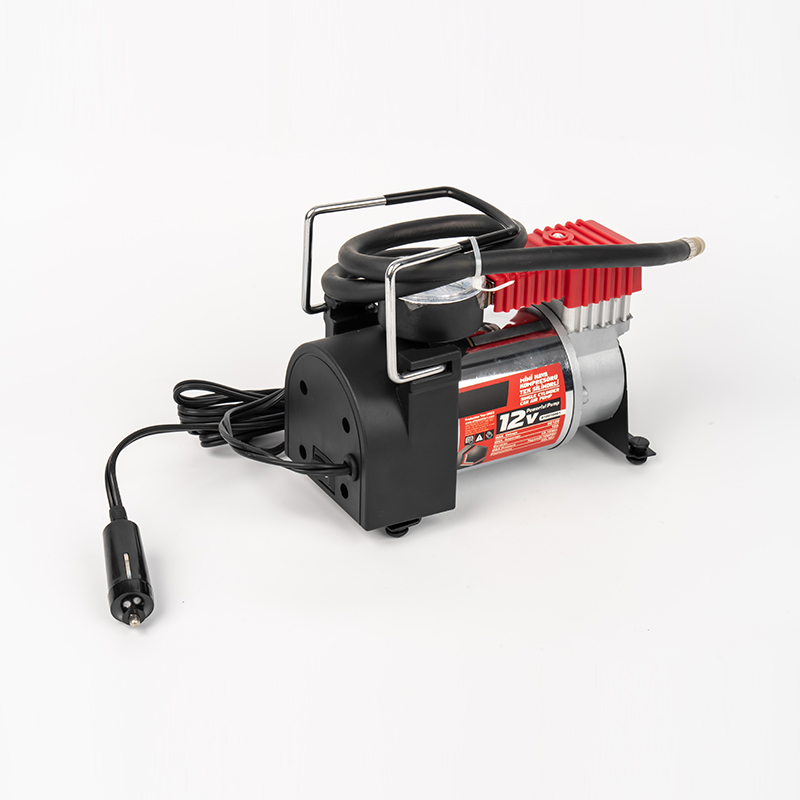
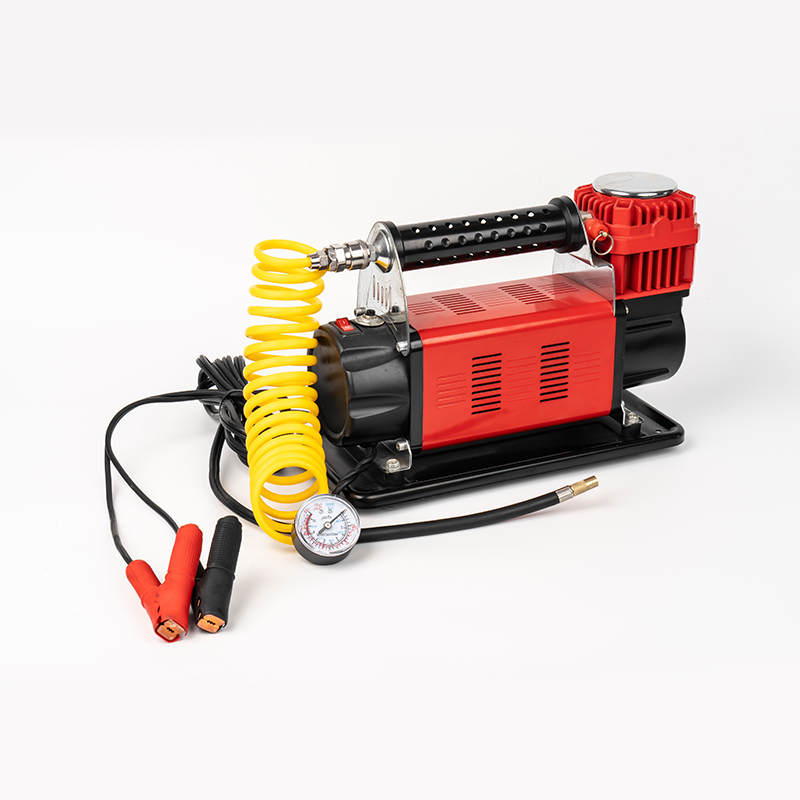
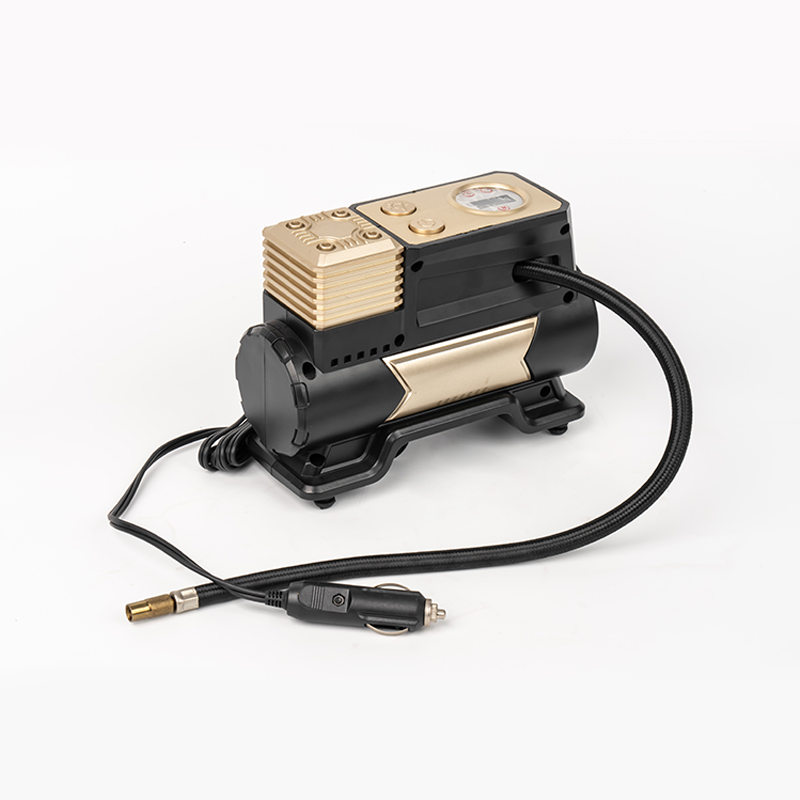
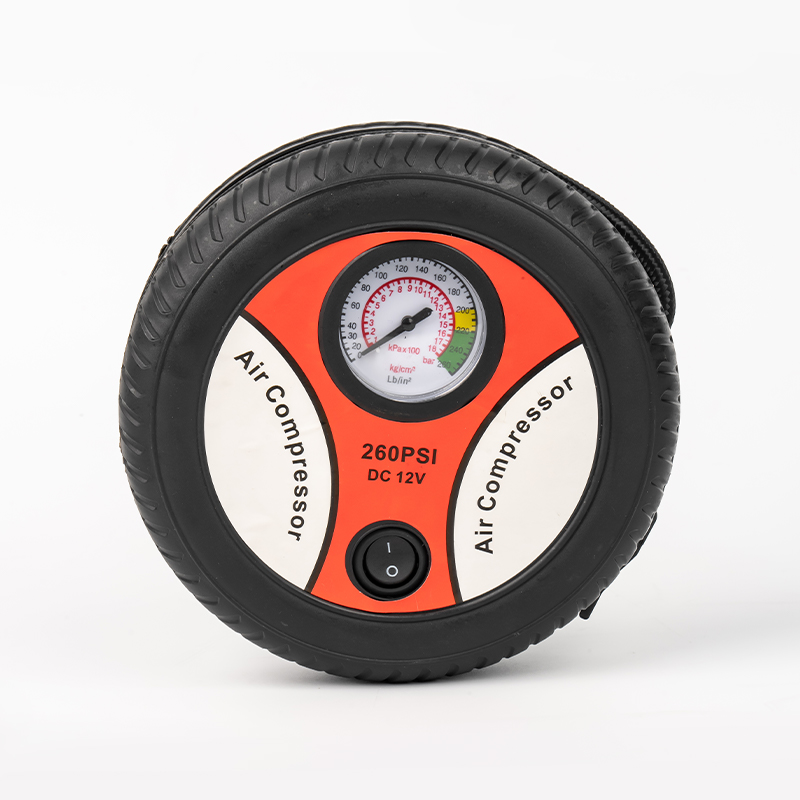
A portable car charger air compressor is a multi-function power bank designed specifically for vehicle emergencies, containing a rechargeable lithium battery pack, a digitally controlled air pump, and an intelligent protection board inside a handheld, durable plastic or rubber-over-molded casing. The jump-starting function works by storing a large electrical charge in high-discharge lithium-polymer or lithium-iron-phosphate cells, which can deliver a peak current typically ranging from 800 to 2,500 amperes for a brief moment to crank a gasoline engine up to 7.0 liters or a diesel engine up to 4.0 liters. The built-in air compressor operates as a small reciprocating piston pump capable of delivering up to 120 to 150 PSI (8.3 to 10.3 bar), with a typical flow rate of 25 to 35 liters per minute. This combination means one device can charge a dead battery, inflate a standard car tire from flat to 35 PSI in about 5 to 8 minutes, and often double as a power bank for charging smartphones or tablets via integrated USB ports.
Most modern units also incorporate an LED work light with an emergency strobe mode, a digital pressure gauge that allows pre-setting the desired shut-off pressure, and a series of safety sensors that protect against over-current, over-voltage, short circuits, reverse polarity, and over-temperature. According to the Automotive Aftermarket Suppliers Association, the market for these combination devices has grown by over 40% in the past three years as drivers increasingly recognize their value. This rapid adoption is driven by the reality that the average driver will experience a dead battery or a significantly underinflated tire at least twice over a typical five-year vehicle ownership period, based on breakdown data from major roadside assistance organizations.
Why Is a Portable Car Charger Air Compressor Essential for Every Driver?
A portable car charger air compressor is essential because it solves the two most frequent and dangerous roadside failures without requiring another vehicle, cellular service, or the physical strength needed to operate a manual tire pump or safely position jumper cables along a busy road. The American Automobile Association (AAA) reports that it responds to more than 7 million battery-related service calls each year in the United States, and flat tires account for another 4.5 million annual assistance requests. These two categories together represent roughly 60% of all roadside breakdowns. In cold-weather states, battery failures spike by 30% to 50% as temperatures drop below freezing, because a typical lead-acid car battery loses approximately 35% of its available cranking current at 0°F (-18°C). A driver stranded with a dead battery in such conditions faces not only inconvenience but genuine risk of hypothermia if the wait for help stretches beyond an hour.
Equally critical, the National Highway Traffic Safety Administration (NHTSA) has found that vehicles running on underinflated tires are three times more likely to be involved in a tire-related crash than those with properly inflated tires. A slow puncture or seasonal temperature drop can lower tire pressure by 5 to 10 PSI, reducing traction and increasing stopping distance. With a portable car charger air compressor on hand, a driver can immediately correct low tire pressure at the gas station, at home, or on the roadside before the vehicle even moves, directly reducing accident risk. No waiting, no coins for air machines, and no need to locate a service station with a functional pump.
Key Features That Define a Reliable Portable Car Charger Air Compressor
A high-quality portable car charger air compressor must have sufficient peak current to start the user's engine type, a metal-cylinder air pump with fast inflation times, and a full suite of safety protections that prevent user error from damaging the vehicle or the device. The jump-starting capability is specified by peak amps and cranking amps. A unit rated at 1,500 peak amps is generally adequate for starting a 6-cylinder gasoline engine, while diesel trucks may require 2,000 peak amps or more. High-discharge lithium cells are the core technology, and the best devices use cells with a discharge rate of 30C to 50C, meaning they can release a current 30 to 50 times their capacity rating for several seconds without damage.
For the inflation function, the pump mechanism matters. Direct-drive metal-gear pumps with a brass cylinder liner last far longer than plastic piston pumps and can typically deliver a continuous run time of 15 to 30 minutes before requiring a cooling rest period. The digital pressure sensor should have an accuracy of ±1 PSI, and the auto-shutoff feature prevents over-inflation and potential tire damage. Many devices also store multiple preset pressure values for cars, SUVs, bicycles, and inflatable sports equipment. Additional useful features include a built-in LED flashlight rated at 200 to 500 lumens, a 12-volt DC output for powering other accessories, and USB-C fast charging for recharging the unit itself. As a benchmark, a unit with a 20,000 mAh battery pack can jump-start a vehicle 15 to 20 times on a single charge, or fully inflate four standard car tires from flat, or recharge a smartphone five to seven times.
| Feature | Portable Car Charger Air Compressor | Separate Jump Starter + 12V Inflator | Traditional Jumper Cables + Gas Station Air |
|---|---|---|---|
| Number of devices to store | 1 | 2 plus chargers and cables | 2 (cables plus reliance on external air) |
| Self-sufficiency | Fully independent; no second vehicle or station needed | Independent for jump start; 12V inflator needs car battery or outlet | Depends entirely on another car and a working gas station air pump |
| Typical cost range | $80 to $180 | $130 to $250 combined | $25 to $50 plus coin-operated air |
| Average inflation time (0-35 PSI) | 5-8 minutes per tire | 4-6 minutes with a corded 12V inflator | Depends on gas station machine speed; often slow |
| Safety risk | Very low; spark-proof clamps, auto-shutoff, reverse-polarity alarm | Moderate; two devices to manage, separate batteries to maintain | Higher; risk of incorrect cable connection, battery explosion, roadside exposure |
How a Portable Car Charger Air Compressor Enhances Overall Driving Safety
Beyond convenience, this device directly contributes to accident prevention by ensuring that a vehicle always departs with correctly inflated tires, even after a slow leak develops overnight or during a long trip where tire pressures naturally fluctuate. The Tire Industry Association states that approximately 10% of all vehicles on the road at any given time have at least one tire that is more than 25% underinflated. An underinflated tire builds up excessive heat through flexing of the sidewall, which degrades the rubber compound and can lead to a sudden tread separation at highway speeds. Having immediate access to a reliable air source means a driver can correct that pressure in the driveway before the tire reaches a dangerous temperature.
Furthermore, in the event of a nighttime breakdown, the integrated LED lighting on a portable car charger air compressor provides a stable work light without draining the vehicle's battery, making it far safer to change a tire or connect jumper clamps in the dark. A 400-lumen floodlight can illuminate an area of approximately 100 square feet sufficiently to see lug nuts and valve stems clearly. Some units also emit a red emergency strobe that is visible from over half a mile away, a crucial warning to other motorists when the vehicle is immobilized on a narrow shoulder.
How to Use a Portable Car Charger Air Compressor Safely and Effectively
Using the device correctly involves connecting the smart clamps to the battery terminals in the proper sequence, initiating the jump start only after the indicator confirms a good connection, and setting the desired tire pressure on the digital gauge before attaching the air hose to the valve stem. When jumping a dead battery, always attach the red positive clamp to the vehicle's positive battery terminal first, then the black negative clamp to an unpainted metal ground point on the engine block or chassis. The smart control board in the device will then analyze the connection and prevent current from flowing if reverse polarity or a short circuit is detected. Once the vehicle starts, remove the clamps immediately and store the device. Modern units are designed to retain enough charge after a jump-start to still inflate at least two tires, but it is wise to recharge the unit fully via its USB-C input within a few days.
For tire inflation, screw the air hose connector onto the valve stem firmly, set the target pressure using the plus and minus buttons, and press start. The compressor will run until the sensor detects the set pressure, then shut off automatically. During the inflation of a completely flat tire, the pump body can become quite hot. Many manufacturers recommend a 10-minute cooling period after 15 minutes of continuous operation to protect the piston seals and the motor windings. Storing the unit in the passenger compartment rather than the trunk during extreme temperatures—above 120°F or below -4°F—preserves the lithium battery's internal resistance and available capacity.
Frequently Asked Questions About Portable Car Charger Air Compressors
Can a portable car charger air compressor inflate a completely flat truck or SUV tire?
Yes, most units rated for 120 PSI or higher can inflate light truck and SUV tires, though the time required will be longer due to the larger air volume. Inflating a 265/70R17 truck tire from flat to 40 PSI may take 12 to 18 minutes, and the compressor should be rested for several minutes halfway through the process. For heavy-duty applications, selecting a model with a higher air flow rate above 35 liters per minute and a dual-cylinder pump is strongly recommended.
How often should I recharge a portable car charger air compressor that is kept in the car?
The lithium battery inside the device has a slow self-discharge rate of approximately 2% to 4% per month when stored at room temperature. To ensure the unit is ready for an emergency, it should be recharged fully every three to four months. Extreme heat inside a parked car in summer can accelerate self-discharge and degrade battery lifespan, so removing the unit from the vehicle and storing it in a cool location whenever possible will extend its service life to beyond five years.
Is it safe to use the jump-start function in the rain or snow?
The device itself is usually built with a water-resistant housing rated at IP65 for dust and low-pressure water jets, but the battery terminals and clamps should be kept as dry as possible during the connection process. Water on the terminals does not cause a short circuit between the device and the car, but standing water that bridges the two battery posts with salt or dirt could create a conductive path. Wiping the terminals dry before attaching clamps, and standing clear of the hood during the start attempt, are the recommended safety steps in wet conditions.
What is the difference between peak amps and cranking amps in a jump starter?
Peak amps represent the absolute maximum current the unit can deliver for an extremely brief instant, typically less than one second. Cranking amps, often labeled as CA or CCA, indicate the current the unit can sustain for 5 to 30 seconds at a specified temperature while keeping voltage above a usable threshold. A unit that advertises 2,000 peak amps may realistically deliver 400 to 600 cranking amps, which is sufficient for most passenger vehicles but may struggle with a large diesel engine. Checking the stated cranking amp rating rather than peak amps is a more accurate way to match the device to the vehicle.
Equipping a vehicle with a portable car charger air compressor transforms a potentially dangerous, frustrating roadside situation into a manageable five-minute procedure. The combination of high-current jump-starting capability and fast, precise tire inflation in a single, portable package directly addresses the root causes of the majority of vehicle breakdowns, while the integrated safety features and LED lighting add layers of protection that traditional jumper cables and separate pumps cannot match. For any driver who values independence, safety, and preparedness, this device has moved from a nice-to-have accessory to an essential component of a modern vehicle emergency kit.