Choosing between a 12V tire inflator and a cordless one comes down to a single question: do you need compressed air where there is no power socket? If not, a 12V model is the more practical and longer-lasting purchase. If you regularly inflate bike tires, trailer wheels, air beds or a second car parked away from an outlet, a cordless unit earns its higher price through convenience.
That is the short answer. The rest of this comparison explains the trade-offs behind it: runtime, flow rate, gauge accuracy, cold-weather behaviour and the maintenance costs that only show up in the second or third year of ownership.
- Pick 12V when the inflator lives in the car and does its work at the car.
- Pick cordless when portability is the whole point, or when one tool must serve several vehicles and inflatables.
The Core Difference: Where the Air Comes From
Both formats use the same piston-and-cylinder mechanism; only the energy source changes. Nearly every practical advantage on either side traces back to that one design decision.
12V inflators borrow power from the vehicle
A 12V inflator plugs into the cigarette lighter or accessory socket and typically draws 10 to 15 amps while running. Because the vehicle supplies the energy, runtime is limited mainly by heat in the cylinder head rather than by a battery gauge. A 150 psi single-cylinder unit usually takes four to six minutes to lift a passenger tire from 25 psi to 35 psi, and it can repeat that cycle as long as you allow a short cooling gap between tires.
Cordless inflators carry their own energy
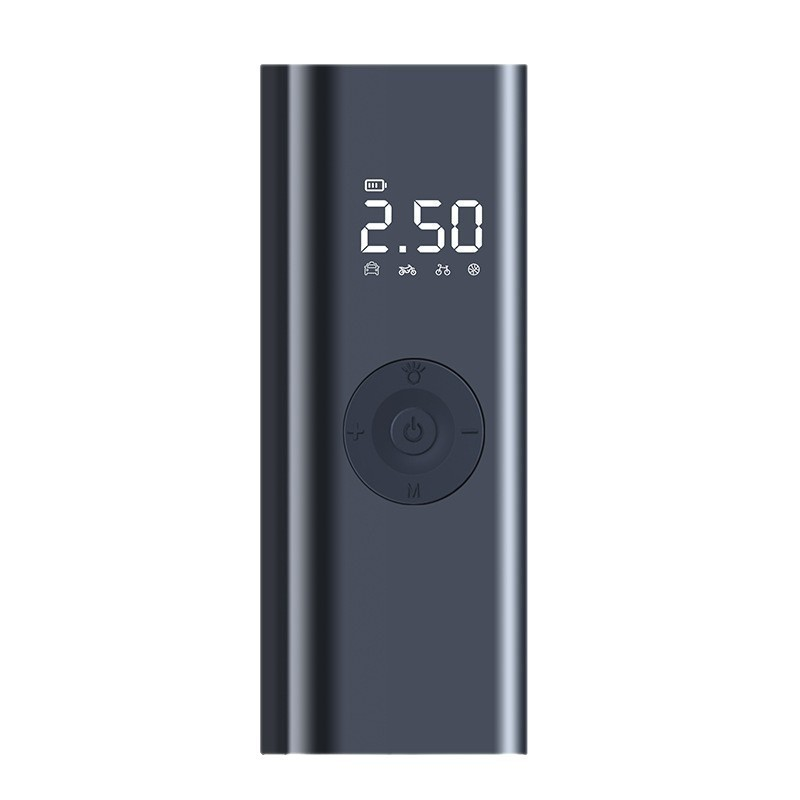
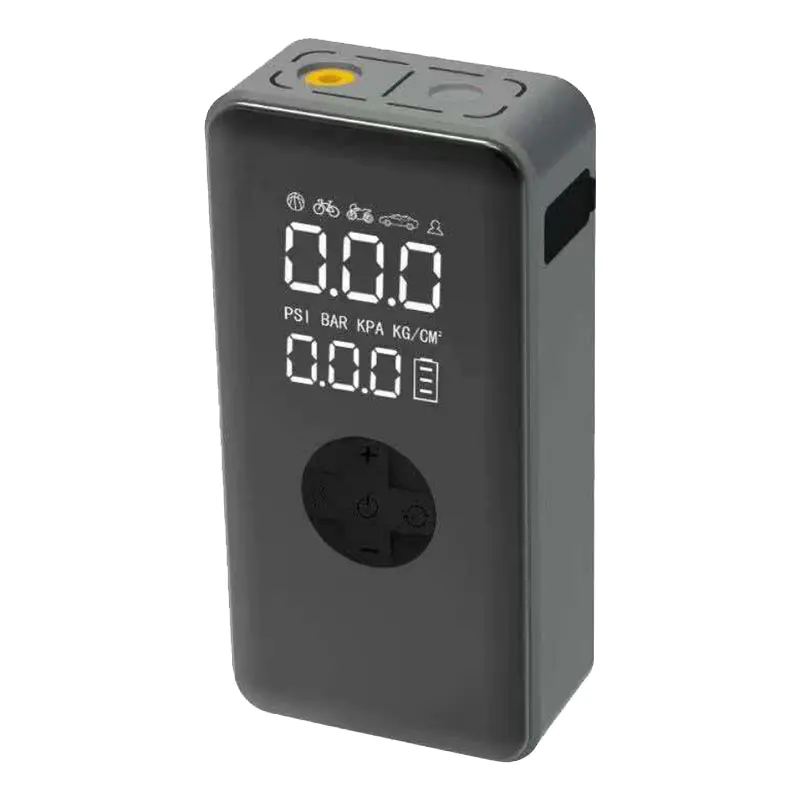
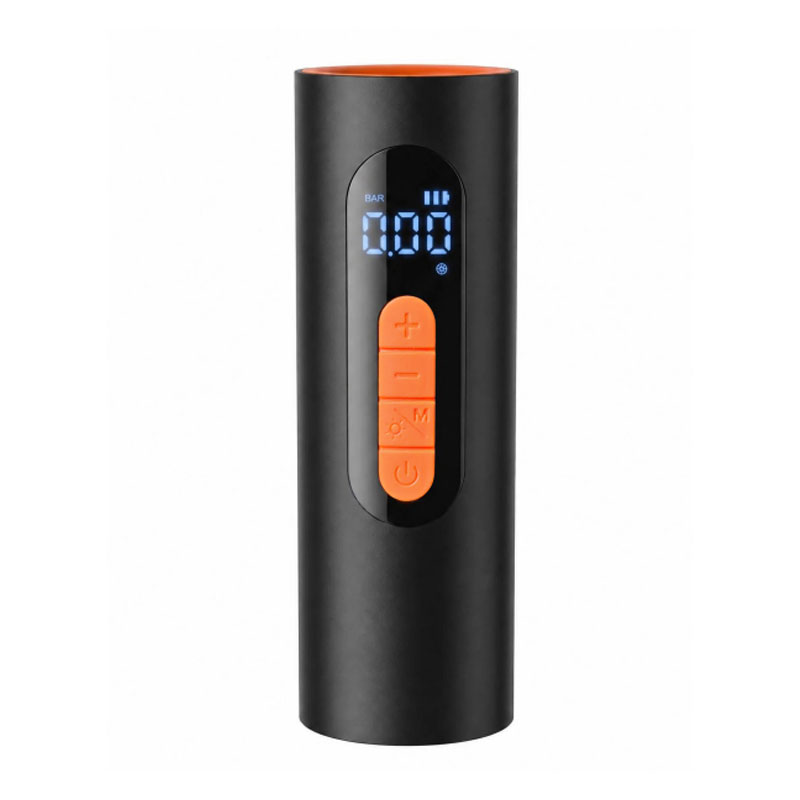
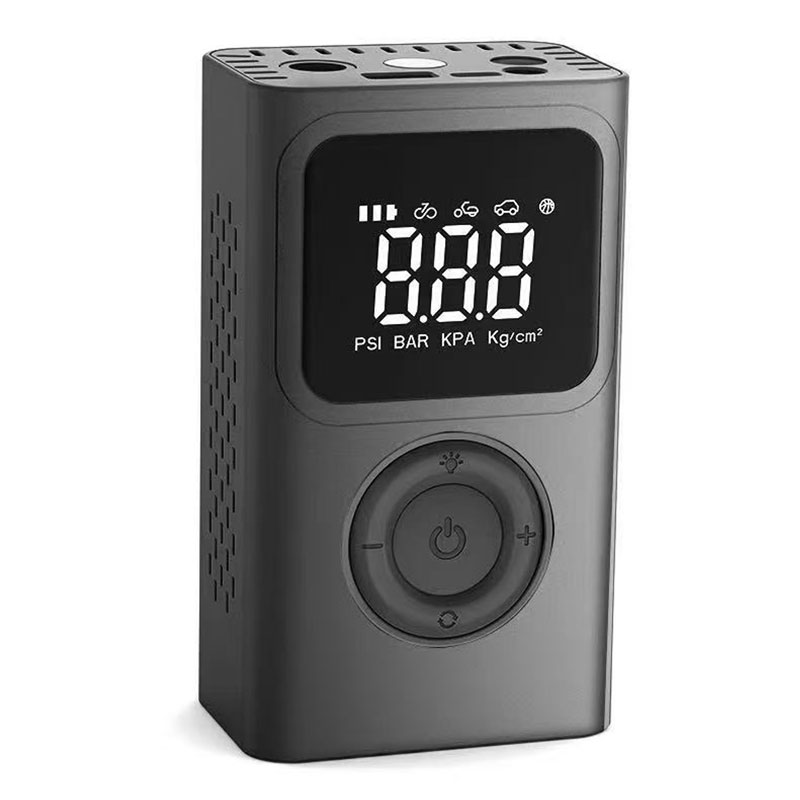
A cordless inflator runs from an internal lithium pack, commonly in the 12V or 20V class. That removes the cable, the idling engine and the reach limit of a three-metre cord, but it also caps total output. A compact unit typically handles two to four tire top-ups per charge, and fewer when tires start near flat or the temperature drops.
12V vs Cordless Tire Inflator: Side-by-Side
The figures below describe mainstream consumer units. Heavy-duty twin-cylinder compressors and premium off-road kits sit outside this range in both directions.
Typical performance and ownership differences for consumer-grade 12V and cordless tire inflators.
| Factor |
12V (corded) |
Cordless (battery) |
| Power source |
Vehicle socket, 10 to 15 A draw |
Internal lithium pack, 12V or 20V class |
| Runtime |
Continuous while the vehicle battery holds |
15 to 30 minutes, roughly 2 to 4 top-ups |
| Typical max pressure |
150 psi |
100 to 150 psi |
| Time from flat |
4 to 8 minutes per tire |
6 to 12 minutes, often with a cooling pause |
| Weight |
1.5 to 2.5 kg |
0.5 to 1.5 kg |
| Cold weather |
Unaffected apart from a stiffer cable |
Noticeably shorter runtime below freezing |
| Wear items |
Piston seal, hose, plug fuse |
Battery cells, charging port, electronics |
| Price |
Lower |
30 to 100 percent higher |
| Best use |
Driveway, roadside, fleet |
Multi-vehicle, outdoor, mixed inflatables |
Where a 12V Inflator Wins
The corded format wins on endurance, cost and service life, and those advantages compound over years of ownership.
- No runtime ceiling. As long as the vehicle battery is healthy, the pump keeps working; the only real limit is heat.
- Lower price for equal airflow. A motor of the same size costs less than a motor plus a lithium pack plus a charging circuit.
- Nothing to age out. A lithium pack loses capacity whether or not you use it. A 12V pump stored in a dry car does not.
- Predictable in the cold. Lithium cells shed voltage fast below freezing, right when winter pressure loss makes an inflator most useful.
- Simpler to repair. Hoses, chucks and fuses are replaceable; a sealed battery pack usually is not.
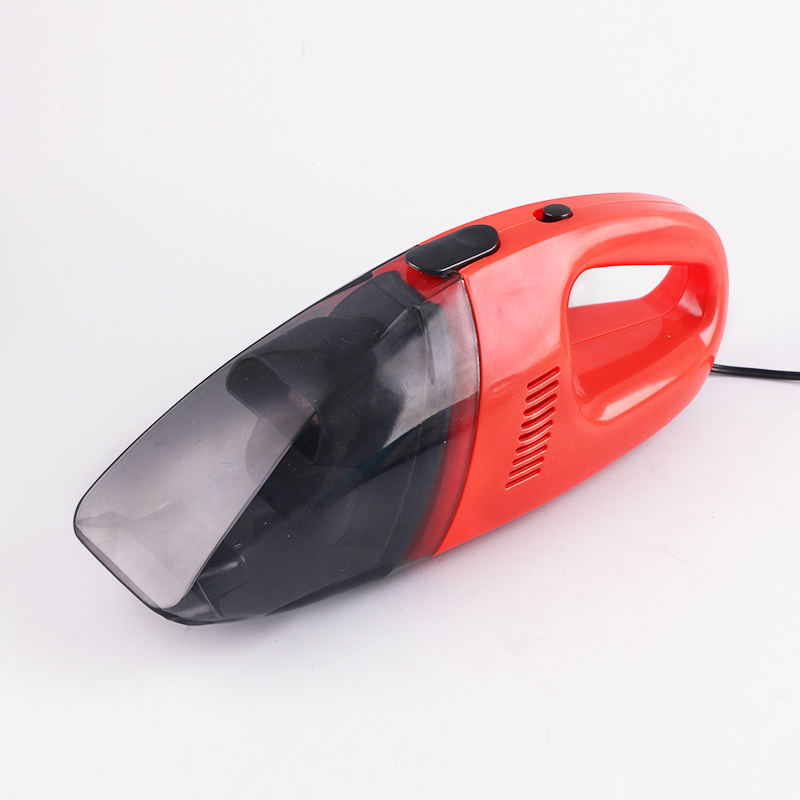
The cable is the only real cost, and for drivers who inflate at home, at work or on the roadside it is a small one. A practical example is a 150 psi single-cylinder unit with an LED warning flash, which adds a roadside work light to the pump.
 SX-210 12V Tire Inflator with LED Warning FlashA 12V single-cylinder inflator with 150 PSI output and LED warning flash, offered as an OEM/ODM vehicle-mounted compressor for daily inflation.View Product →
Volume buyers usually specify within a platform rather than around a single model; the vehicle-mounted air compressor range covers single- and double-cylinder builds with optional digital gauges and battery clips, so one design can serve several markets.
Where a Cordless Inflator Wins
Cordless wins whenever the object needing air is not parked beside a socket.
Bikes, wheelbarrows, trailer tires, air beds and sports balls are the obvious cases, but the more common one is a second car on the street or in a garage without a nearby outlet. A unit that weighs under a kilogram also gets used for jobs a 12V pump never would, which is why owners of both formats usually reach for the battery model first.
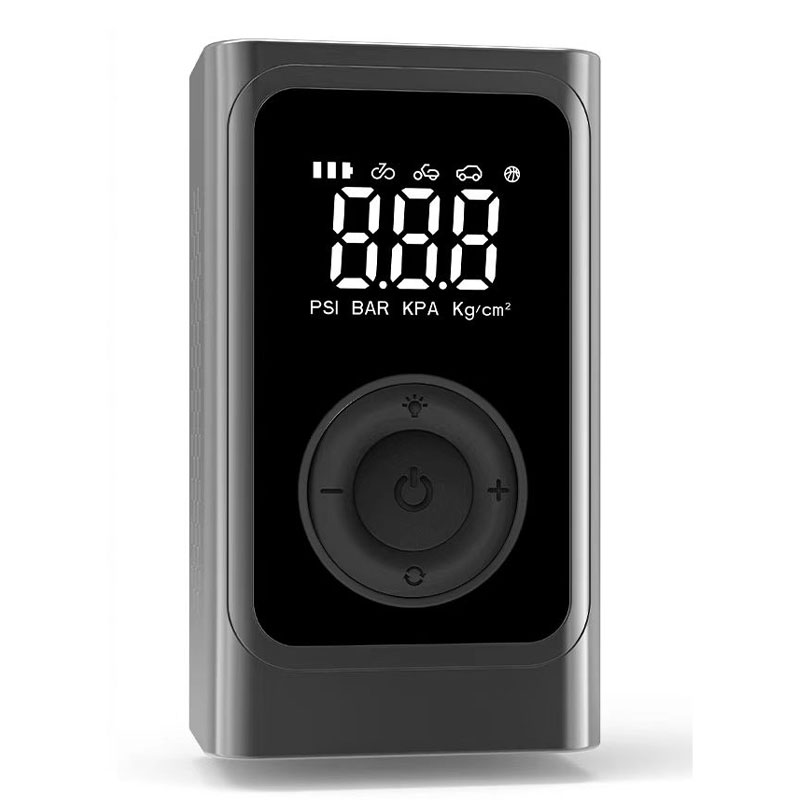
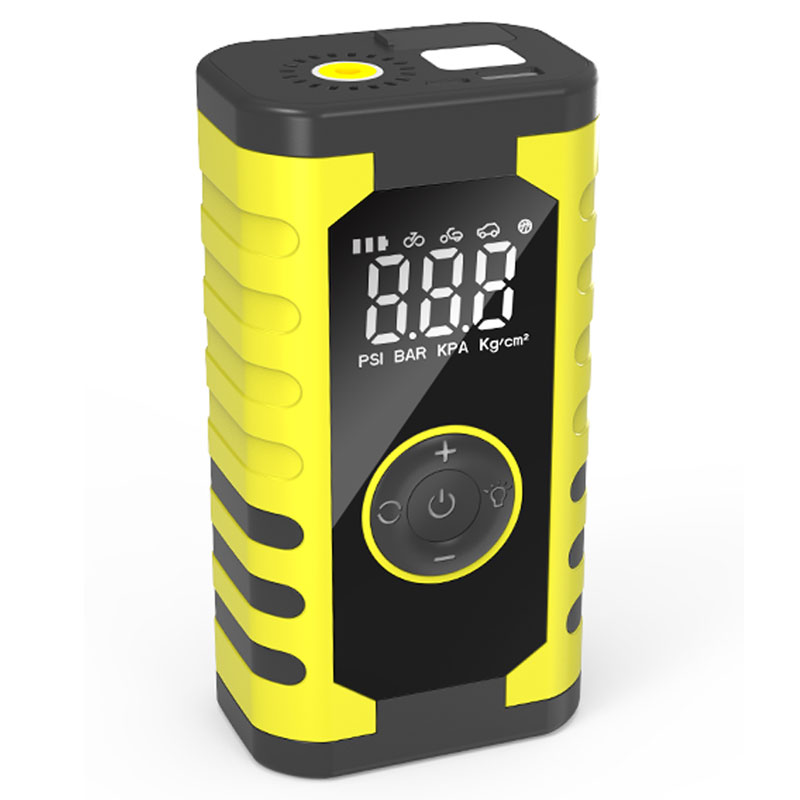
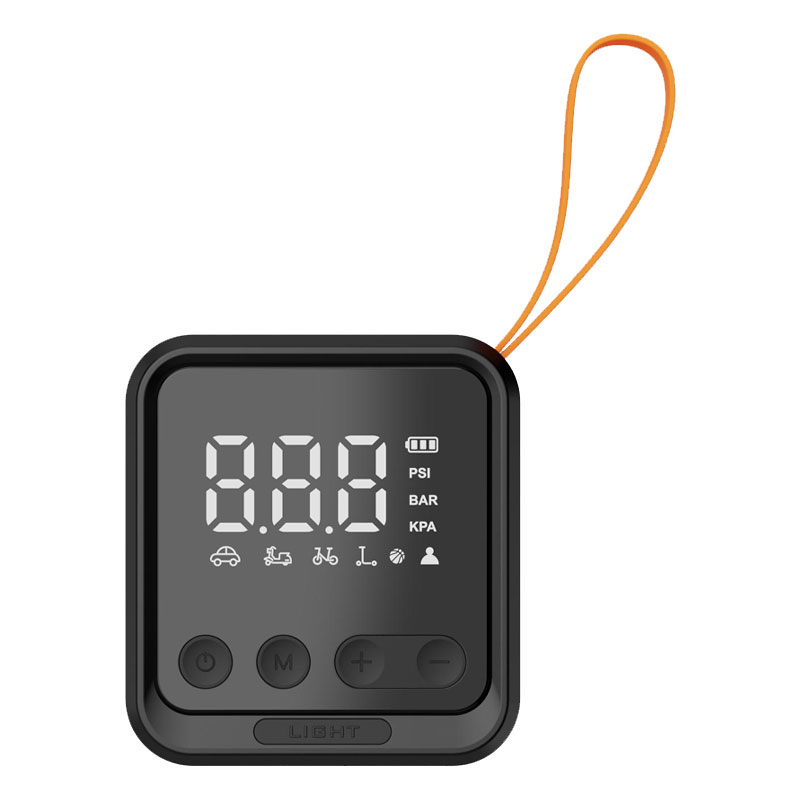
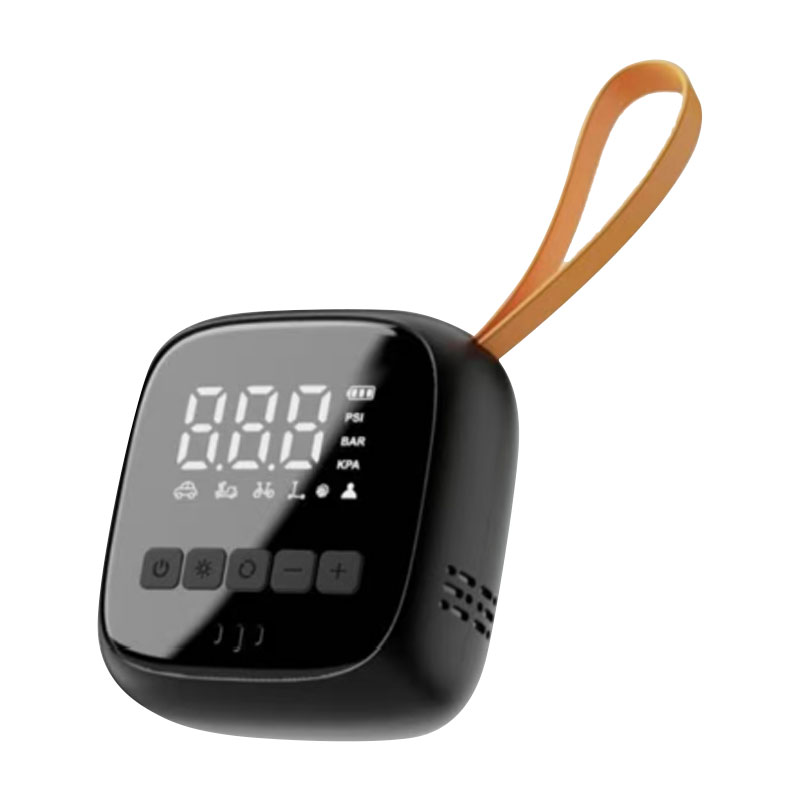
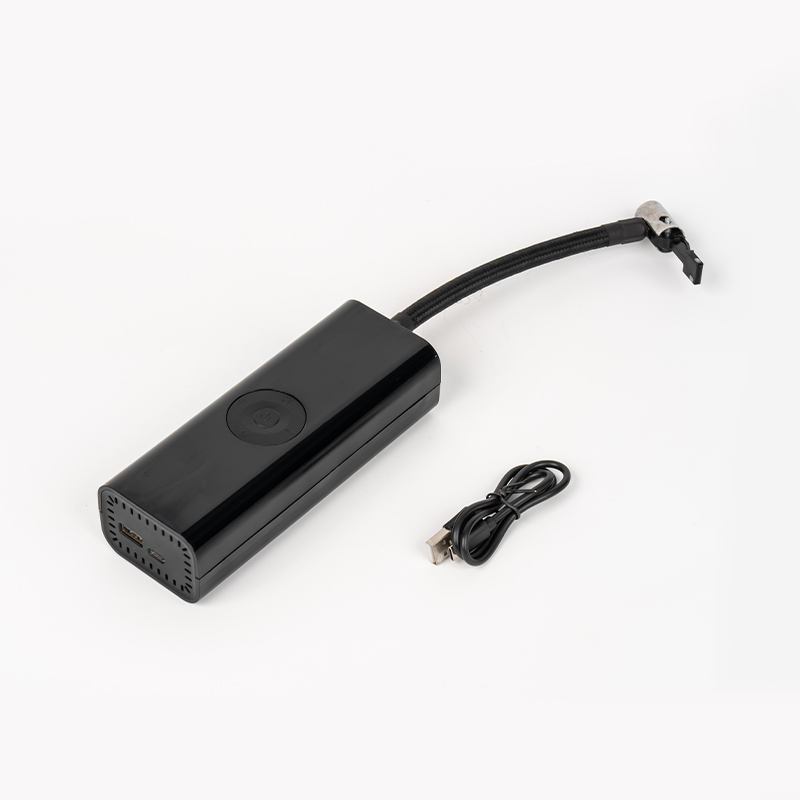
 SX-301 Digital Lithium-Battery Mini Air CompressorA portable 100 PSI lithium-battery inflator with digital pressure display, 20 L/min airflow and 30-minute runtime for routine tire checks and fast inflation.View Product →
The all-in-one case: jump starter plus inflator
An all-in-one device combines a lithium pack, an inflator and a jump-starter in one housing, and it is the strongest argument for going cordless. If a battery already sits in the trunk, adding a compressor to it costs far less than buying a separate cordless inflator. The trade-off is that a flat inflator battery and a flat car battery can happen on the same morning, so check the self-discharge rate and the charging routine before relying on one device for both jobs.
 SX-306 Wireless Inflator and Jump StarterAn 8000mAh multifunctional device combining 100 PSI inflation, 1,000A peak jump-starting, USB charging and LED lighting for camping and emergency use.View Product →
Reliability has improved, but cordless models still depend on pack condition; a two-year-old battery that has lived in a hot trunk will not deliver its rated capacity. For a longer discussion of that failure mode, read whether cordless tire inflators are reliable for emergency use.
Real-World Scenarios
Weekly pressure checks and commuting
For routine top-ups, 12V is the lower-risk choice. Most passenger tires need 2 to 4 psi added every few weeks in cool weather; a corded pump handles that in under two minutes per tire and never leaves you wondering whether the battery was charged.
Long road trips and remote travel
For remote travel, carry a cordless inflator and a 12V backup rather than choosing between them. The corded unit covers long, repeated inflations from any vehicle with a socket; the cordless one covers a bike, a trailer or a vehicle you cannot reach with a cable.
Winter mornings
In freezing weather, expect the 12V unit to be the more predictable performer. Tire pressure falls roughly 1 psi for every 10 °F (about 5.5 °C) of temperature drop, so the coldest mornings are exactly when an inflator is needed and exactly when lithium capacity is weakest.
Specifications That Matter More Than the Cable
Peak pressure tells you very little, because two inflators rated at 150 psi can differ by a factor of two in real flow.
- Flow rate. Compare litres per minute or CFM at a stated pressure; a higher number shortens every fill.
- Duty cycle. The rated working time before cooling, often 10 to 20 minutes for a single-cylinder pump.
- Gauge accuracy. A digital gauge within plus or minus 1 psi is worth more than a larger analogue dial.
- Auto shut-off. Preset the target pressure and the pump stops itself, preventing the most common cause of tire damage.
- Hose length and chuck. A 60 cm hose reaches awkward valve stems; a screw-on chuck holds better on deflected valves.
- Battery capacity in watt-hours. Milliamp-hour figures hide voltage differences, so compare Wh when shopping cordless.
Which Type Suits Which Driver
Match the format to the job rather than to the specification sheet.
Suggested inflator format by driver profile and inflating habits.
| Driver profile |
Better fit |
Reason |
| Daily commuter, occasional top-up |
12V single cylinder |
Lowest cost, no battery to maintain |
| Household with bikes, balls and air beds |
Cordless |
Works away from the car |
| Off-road and remote travel |
Cordless plus 12V backup |
Redundancy when one power source fails |
| Fleet or multi-vehicle use |
12V with a long hose |
Continuous runtime across several vehicles |
| Cold-climate driver |
12V |
Lithium capacity falls sharply below freezing |
| Driver wanting one trunk tool |
Jump starter with inflator |
Shared battery and housing |
Maintenance and Long-Term Ownership
A 12V inflator usually outlives a cordless one, because it has one fewer wear item: the battery.
Corded pumps need occasional inspection of the hose, the fuse in the plug and the piston seal; most failures come from overheating during long fills rather than from age. Cordless models need the pack kept at a middling charge when stored, kept out of direct sun, and topped up every few months. Stored fully discharged for a season, a lithium pack may never recover its original capacity.
Frequently Asked Questions
Is a 12V inflator strong enough for car tires?
Yes. A 150 psi single-cylinder unit comfortably fills passenger tires to the 30 to 36 psi most vehicles specify, usually in four to six minutes from partially deflated. It works harder on large SUV or light-truck tires, which is where a double-cylinder model or a longer duty cycle helps.
How many tires can a cordless inflator fill on one charge?
Expect two to four top-ups on a compact unit, and fewer if tires start near flat or the weather is cold. Filling four completely flat tires from zero is beyond most single-battery designs.
Can I run a 12V inflator with the engine off?
You can, but it draws 10 to 15 amps, so keep the engine running for anything longer than a single tire. Running the pump on a resting battery for several tires risks leaving you with two problems instead of one.
Do cordless inflators work below freezing?
They work, but runtime drops noticeably. If your coldest-morning routine involves checking four tires, a 12V model is the more predictable tool.
Which type lasts longer?
The 12V unit usually does, since the only parts that wear are the piston seal, hose and plug fuse. Cordless units stay functional, but their usable life is tied to battery capacity, which declines from the first charge.
For most drivers the answer is unglamorous: a 12V inflator in the trunk, checked twice a year, will handle almost every pressure emergency a passenger car produces. Add a cordless model when your inflating happens away from the vehicle, or when one device has to cover a bike, a trailer and a second car.
If you are specifying inflators for resale, the deciding factors differ from those of a single driver: duty cycle, gauge consistency, cold-weather performance and the cost of the battery add-on. Those are the points that generate warranty claims, and they are worth testing before you commit to a container.

 English
 Español
 عربى
 Türk