With the growing demand for on-the-go vehicle maintenance, many drivers are asking an important question: can a Vehicle Air Compressor be powered directly by a car battery? The short answer is yes—but performance, safety, and suitability depend on several key factors.
How a Vehicle Air Compressor Uses Car Battery Power
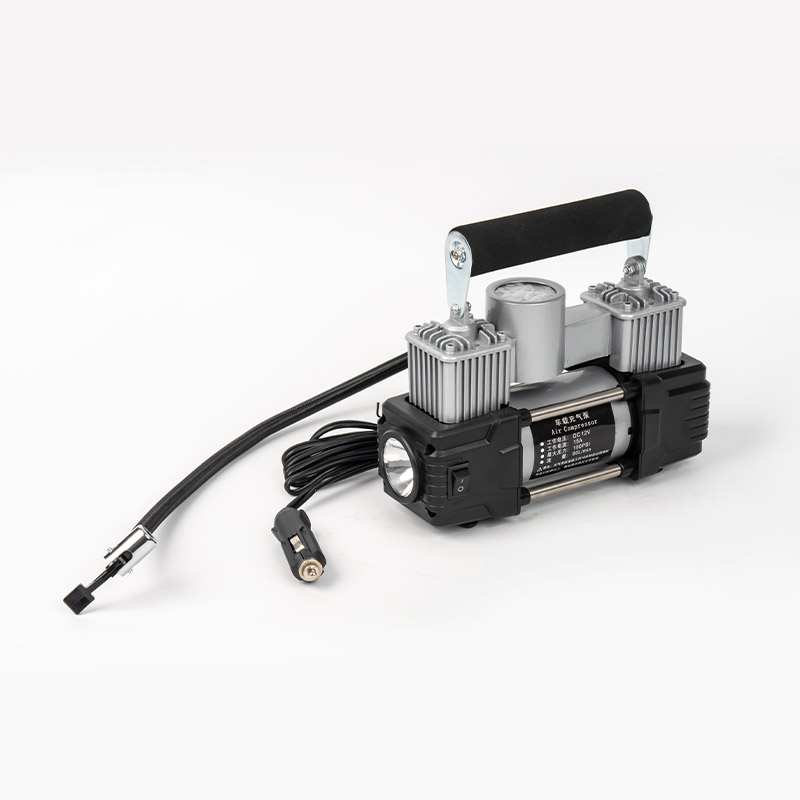
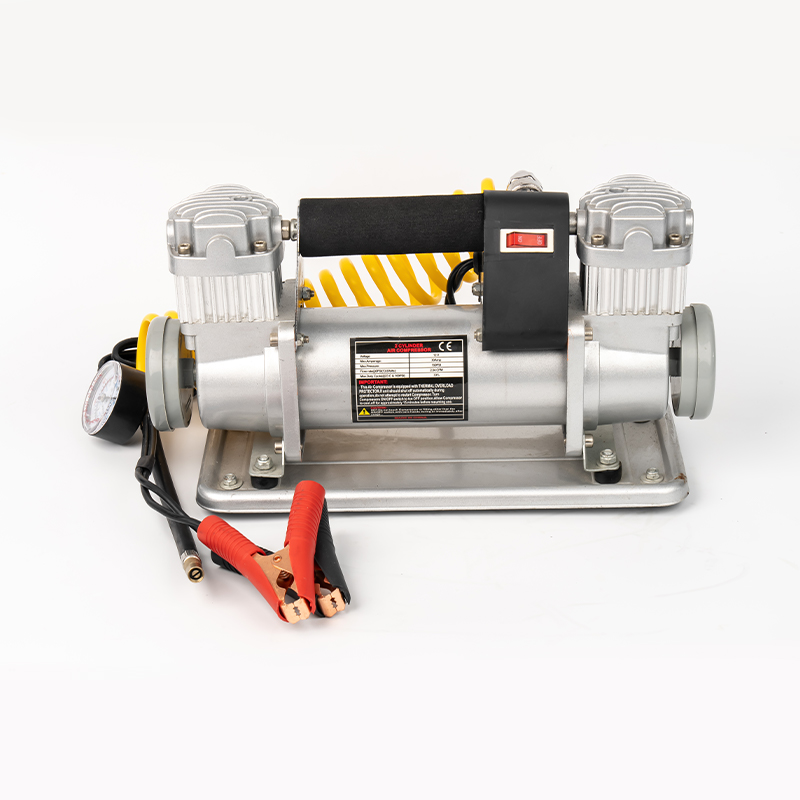
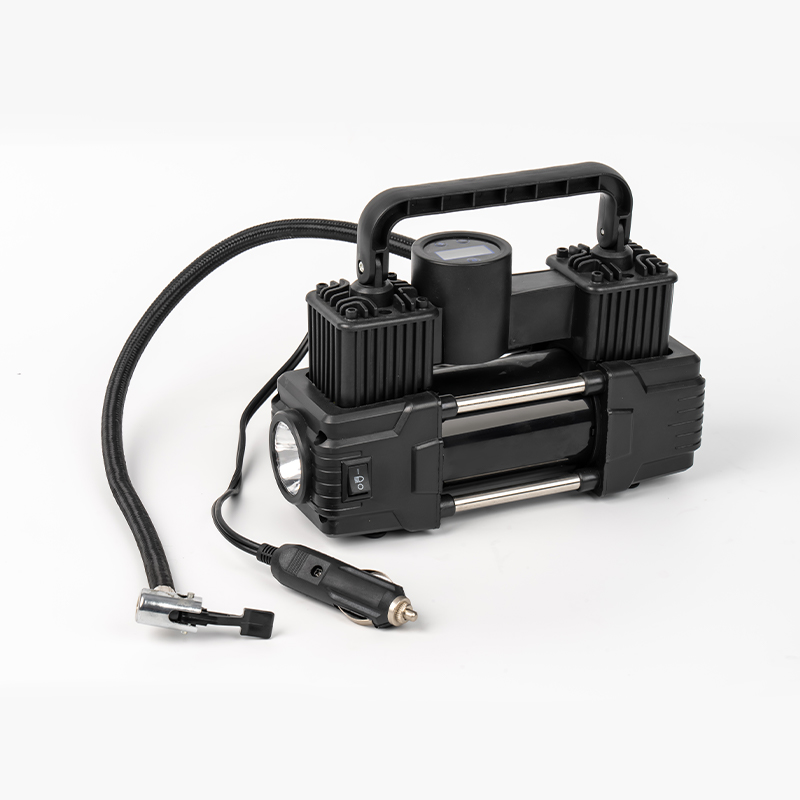
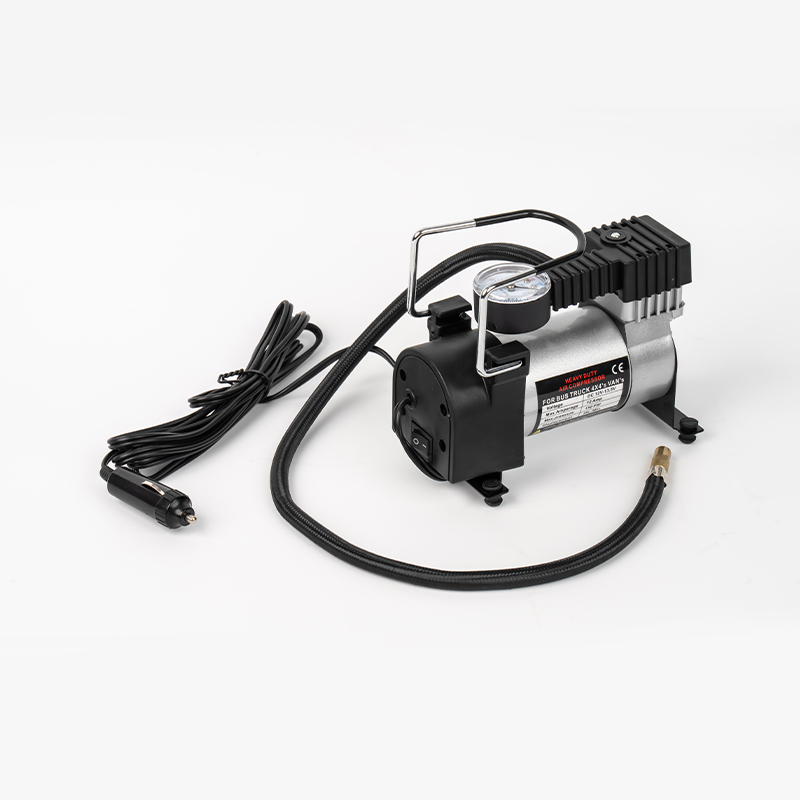
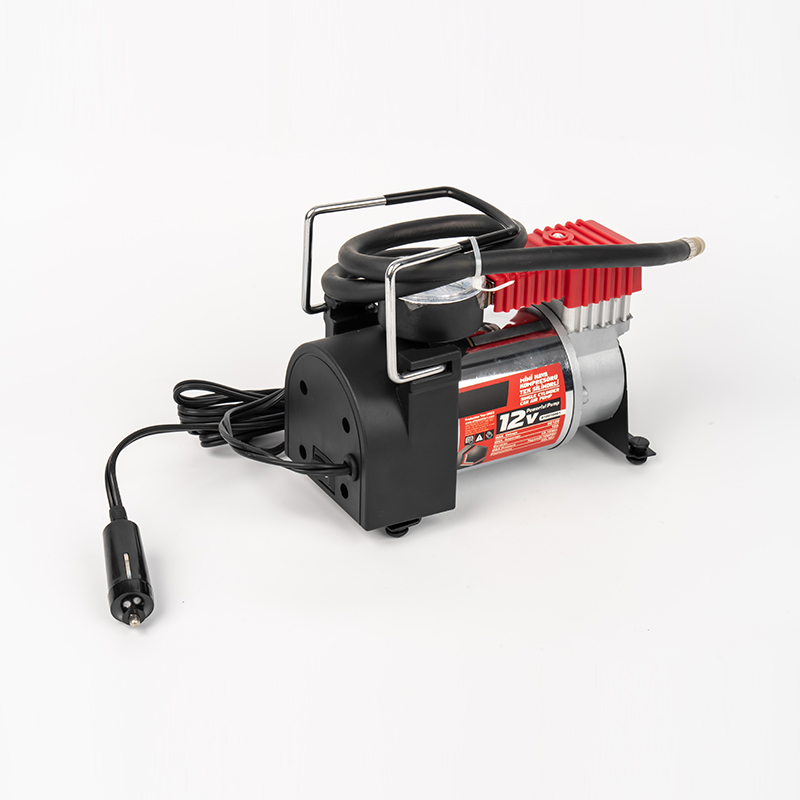
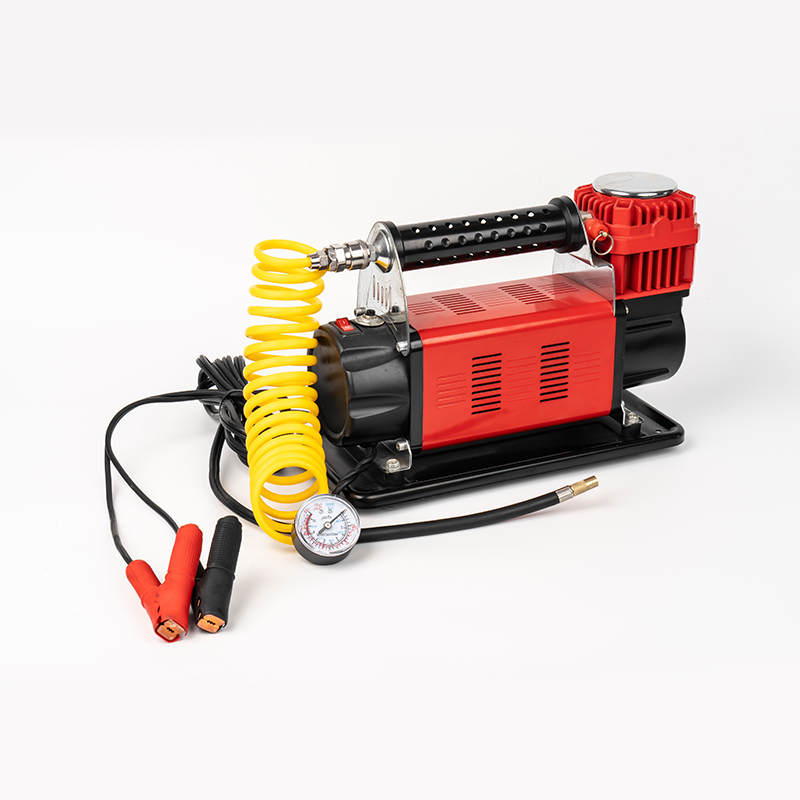
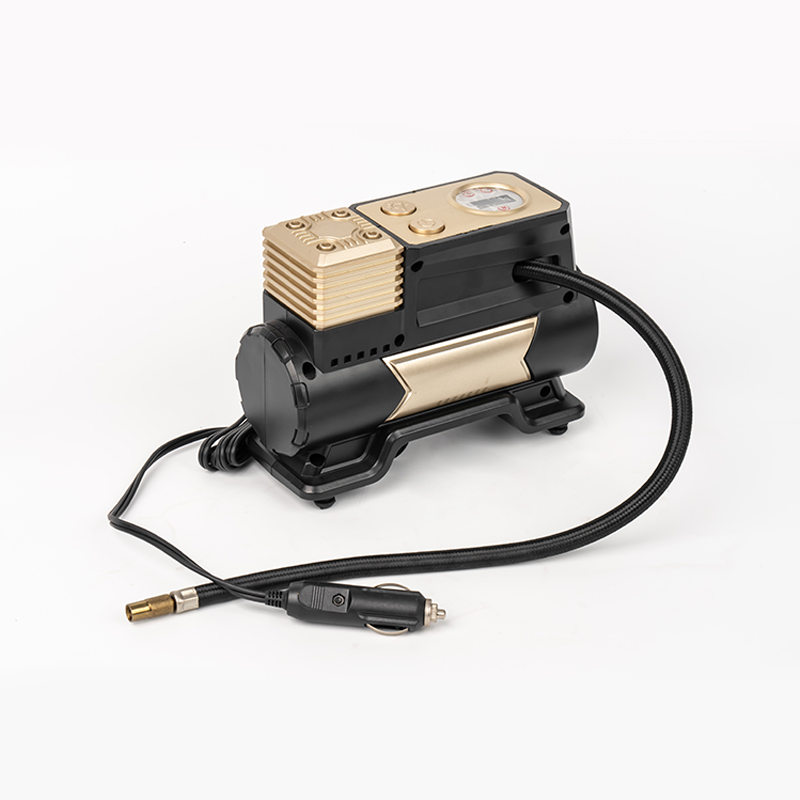
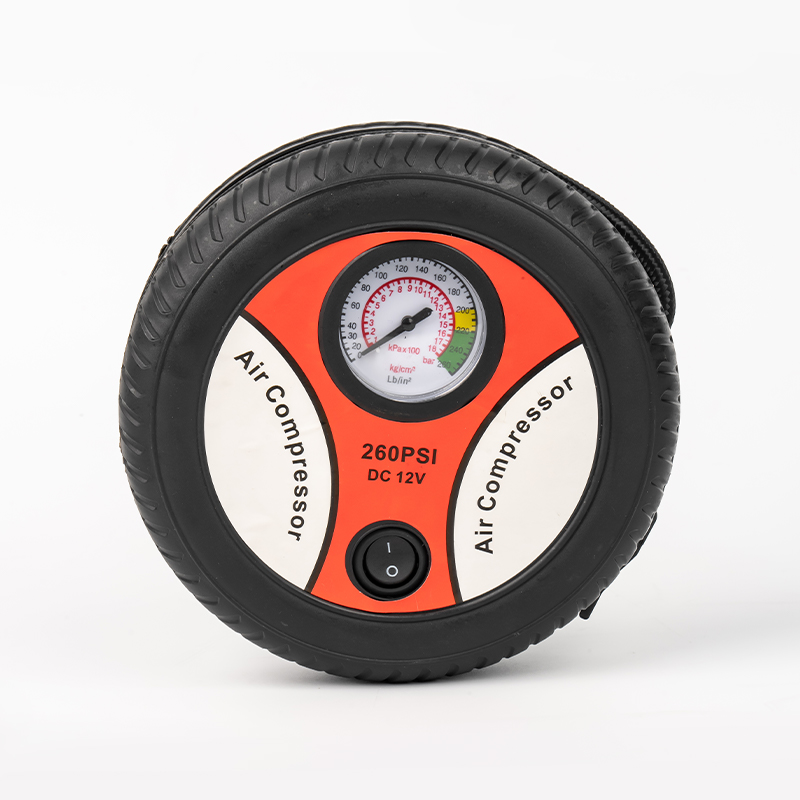
Most portable Vehicle Air Compressors are designed to operate using a vehicle’s 12V DC power system. They typically draw power in one of two ways:
- Cigarette lighter socket (12V outlet) – Common in compact compressors for light-duty use.
- Direct battery connection – Used by higher-output compressors that require more current.
By converting electrical energy from the car battery into mechanical energy, the compressor generates compressed air for inflating tires, sports equipment, or small pneumatic tools.
Battery-Powered vs Engine-Assisted Operation
Using the Car Battery Alone
When the engine is off, a Vehicle Air Compressor relies entirely on stored battery power. This setup is suitable for short tasks, such as topping up tire pressure, but prolonged use may drain the battery.
Using the Battery with the Engine Running
With the engine running, the alternator supplies continuous power, significantly reducing the risk of battery depletion. This is the recommended method for operating higher-capacity compressors.
Advantages of Battery-Powered Vehicle Air Compressors
- High portability – No external power source required.
- Emergency readiness – Ideal for roadside tire inflation.
- Easy installation – Plug-and-play design for most vehicles.
Limitations and Considerations
- Battery drain risk if used too long with the engine off.
- Limited airflow compared to shop air compressors.
- Heat buildup during extended operation.
Understanding your vehicle’s battery capacity and the compressor’s power requirements is essential for safe and efficient use.
Comparison: Battery-Powered vs Engine-Driven Air Compressors
| Feature |
Battery-Powered Vehicle Air Compressor |
Engine-Driven Compressor |
| Power Source |
Car battery (12V) |
Vehicle engine or belt system |
| Portability |
High |
Low |
| Air Output |
Moderate |
High |
| Installation |
Simple |
Complex |
Choosing the Right Vehicle Air Compressor
When selecting a Vehicle Air Compressor, consider the following:
- Maximum current draw (amps)
- Duty cycle and cooling design
- Direct-to-battery vs 12V plug connection
- Intended use: emergency, off-road, or professional
Frequently Asked Questions
Can a Vehicle Air Compressor damage a car battery?
No, when used correctly. Damage may occur only if the compressor is operated for long periods with the engine off, leading to deep battery discharge.
How long can a Vehicle Air Compressor run on battery power?
Most portable units can run for 5–15 minutes safely on battery power alone. Runtime varies depending on battery health and compressor wattage.
Is it better to connect directly to the battery?
Direct battery connections are better for high-output Vehicle Air Compressors, as they reduce voltage drop and improve performance.
Can a Vehicle Air Compressor be used on electric vehicles?
Yes, as long as the compressor matches the vehicle’s auxiliary power specifications and voltage output.
Industry Outlook
As vehicles become more versatile and drivers prioritize self-maintenance, battery-powered Vehicle Air Compressors continue to gain popularity. Advances in motor efficiency and thermal protection are making these tools safer, more powerful, and more reliable for everyday use.

 English
 Español
 عربى
عربى Türk
Türk