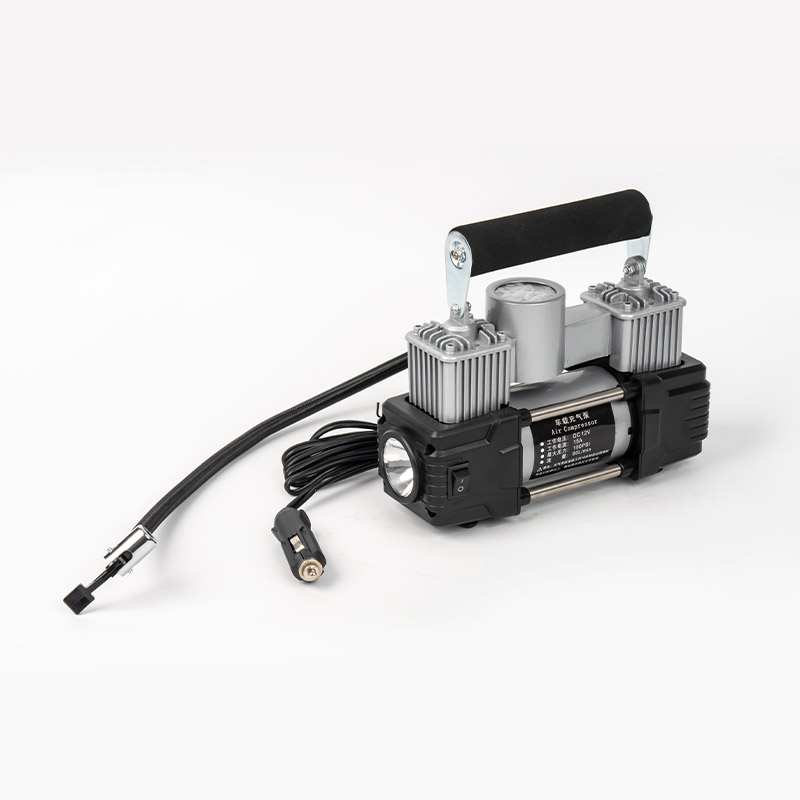
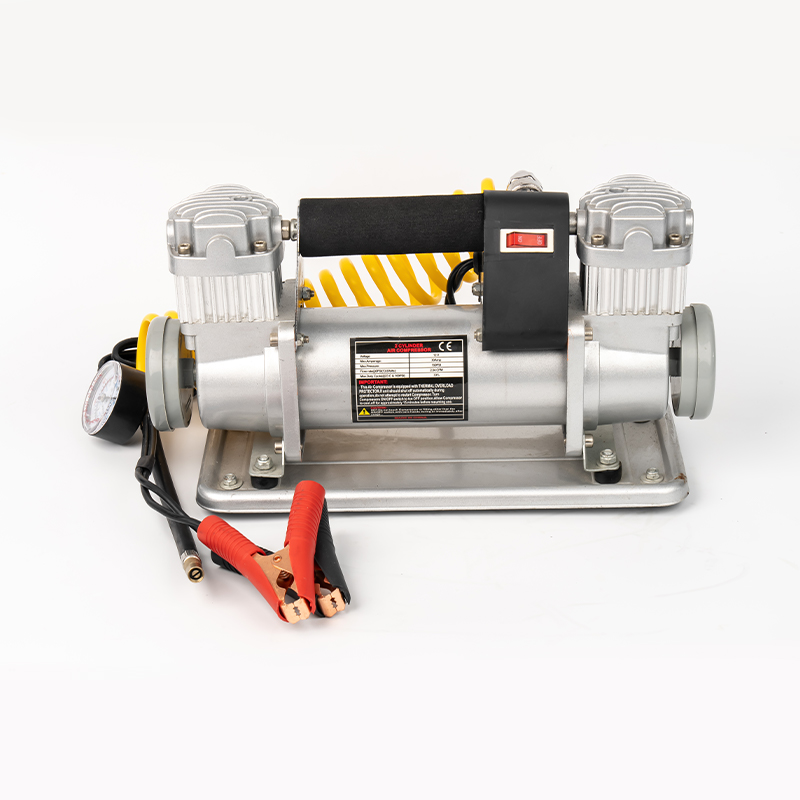
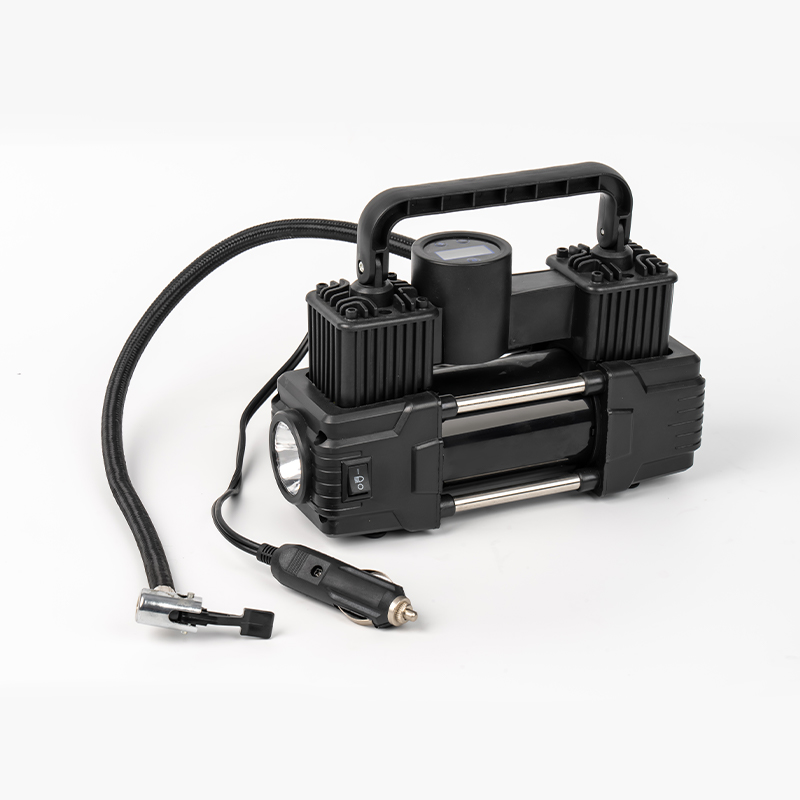
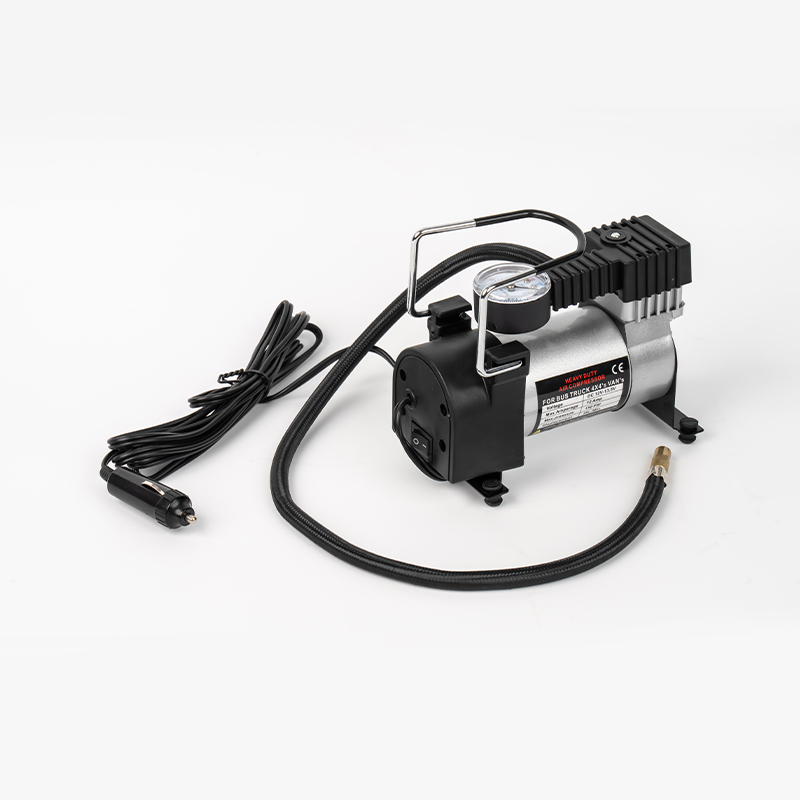
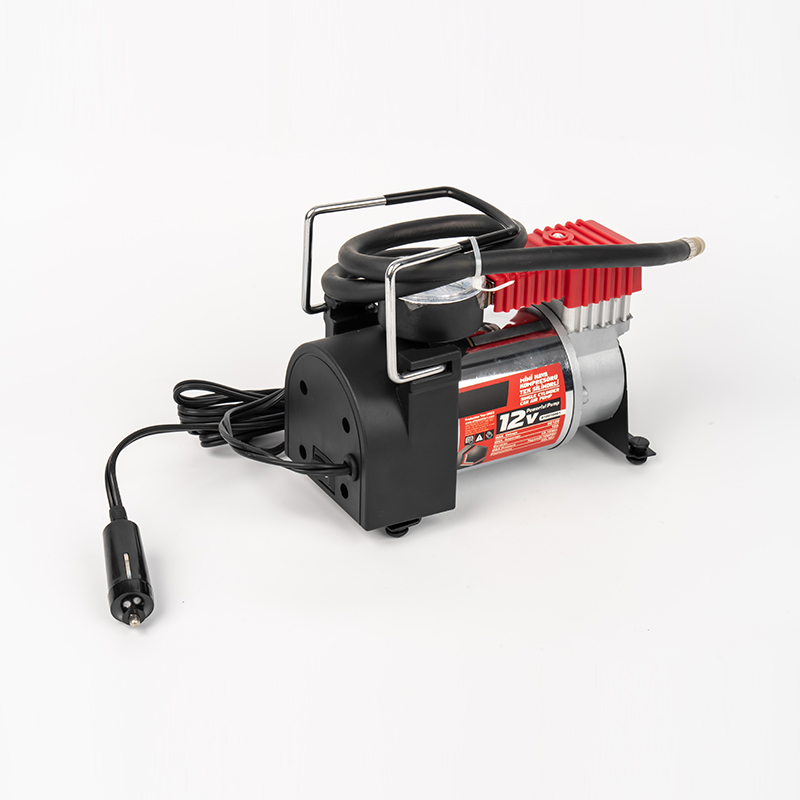
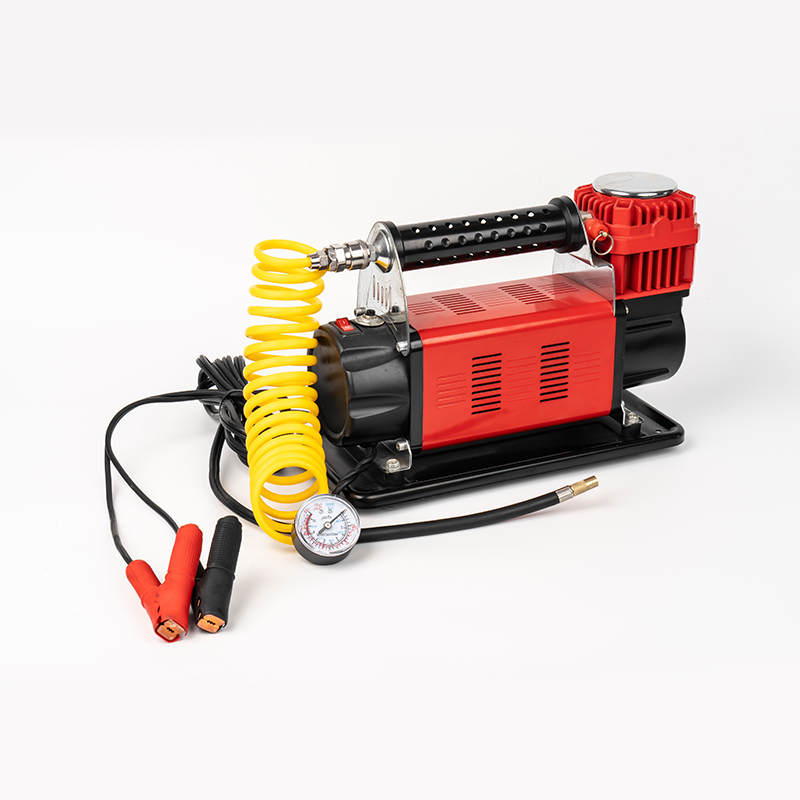
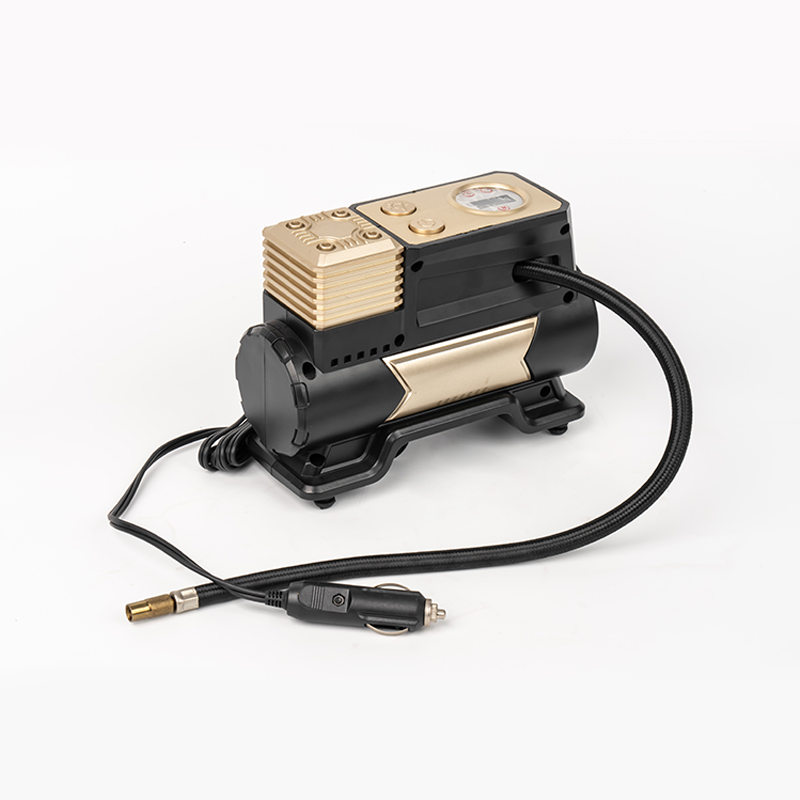
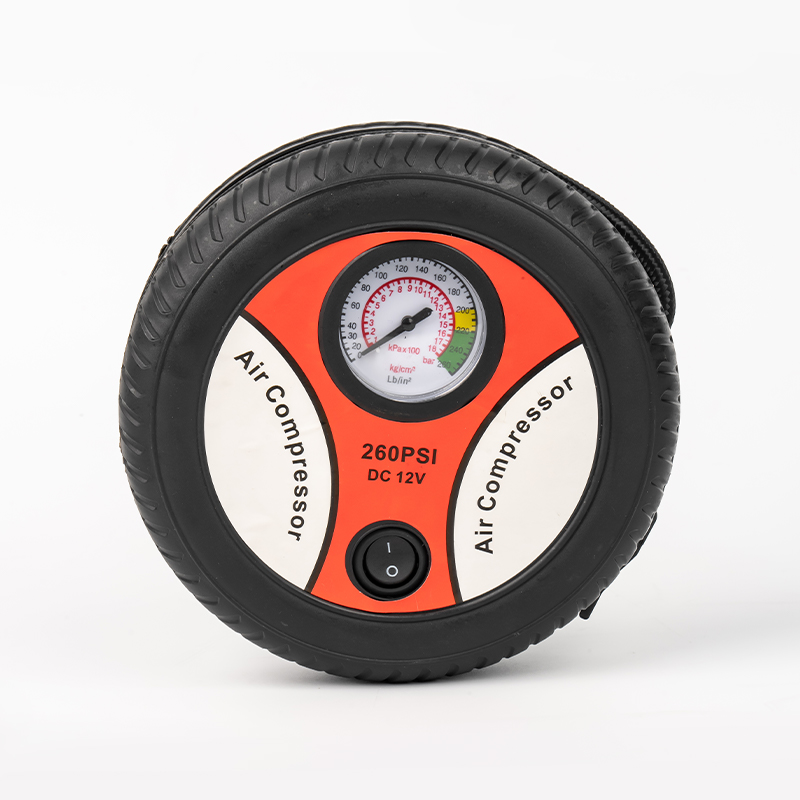
A Vehicle Air Compressor has become an essential piece of equipment for modern drivers, outdoor enthusiasts, and professionals alike. Once considered a niche accessory, it is now widely recognized for its versatility, convenience, and safety benefits. From emergency roadside tire inflation to powering recreational inflatables, a vehicle-mounted or portable air compressor can handle far more tasks than many users realize.
Understanding what types of tires and inflatables a Vehicle Air Compressor can handle is key to choosing the right model and using it efficiently. Different compressors vary significantly in pressure capacity, airflow rate, duty cycle, and power source, all of which directly affect their compatibility with various applications.
Understanding the Capabilities of a Vehicle Air Compressor
Before examining specific tire and inflatable types, it is important to understand how a Vehicle Air Compressor works and which specifications determine its performance.
Key Performance Factors
- Maximum Pressure (PSI): Indicates how much pressure the compressor can generate. Passenger car tires typically require 30–40 PSI, while off-road and truck tires may need higher capacity.
- Airflow Rate (CFM or L/min): Determines how quickly air is delivered. Higher airflow is critical for larger tires and inflatables.
- Duty Cycle: Refers to how long the compressor can operate continuously without overheating.
- Power Source: Common options include 12V DC vehicle outlets, direct battery clamps, or rechargeable batteries.
- Nozzle and Hose Compatibility: Different valve types require appropriate adapters.
Matching these specifications to intended use ensures reliable and efficient operation.
Passenger Vehicle Tires
Passenger Cars and Sedans
The most common application for a Vehicle Air Compressor is inflating passenger car tires. Compact and mid-size sedans typically require tire pressures between 30 and 36 PSI.
- Standard 12V compressors are well-suited for routine pressure maintenance.
- Digital pressure gauges improve accuracy and prevent overinflation.
- Compact models are ideal for glove boxes or trunk storage.
For daily drivers, a basic vehicle air compressor provides peace of mind and eliminates frequent trips to gas stations.
Hatchbacks and Compact Vehicles
Smaller vehicles often use narrower tires with lower air volume requirements. As a result, inflation times are typically short even with entry-level compressors.
Lightweight, portable compressors are particularly popular among urban drivers due to their convenience and affordability.
SUV, Crossover, and Light Truck Tires
SUVs and Crossovers
Sport utility vehicles and crossovers generally require higher air volume than sedans, though their pressure ranges are similar, usually between 32 and 40 PSI.
- Mid-range Vehicle Air Compressors with higher airflow perform better for these vehicles.
- Longer hoses and integrated LED lights add convenience during roadside use.
Pickup Trucks and Light Commercial Vehicles
Pickup trucks and light commercial vehicles often use larger, reinforced tires designed to carry heavier loads. These tires may require pressures of 40–80 PSI depending on load conditions.
- High-output compressors with strong motors are recommended.
- Direct battery connection provides more consistent power.
- Heat-resistant components improve durability during extended use.
In this category, compressor quality and build strength become especially important.
Off-Road and All-Terrain Tires
4x4 and Off-Road Vehicles
Off-road enthusiasts frequently deflate tires to improve traction on sand, mud, or rocky terrain. Re-inflating these tires afterward requires a reliable Vehicle Air Compressor with high airflow.
- Lower PSI but large air volume requirements.
- Fast recovery time is essential after off-road driving.
- Heavy-duty compressors with long duty cycles are preferred.
All-Terrain and Mud-Terrain Tires
These tires have thicker sidewalls and deeper tread patterns, increasing the total air volume required. Not all portable compressors can handle this efficiently.
Dual-cylinder compressors and models designed specifically for off-road use deliver superior performance in these scenarios.
Motorcycle, Scooter, and Bicycle Tires
Motorcycles and Scooters
Motorcycle tires require precise inflation, typically ranging from 28 to 42 PSI. While the air volume is small, accuracy is critical.
- Compressors with fine pressure control are recommended.
- Compact hose fittings improve accessibility.
Bicycles
Bicycle tires, especially road bike tires, can require pressures exceeding 80–100 PSI.
- Not all vehicle air compressors can reach these pressures.
- Adapters for Presta and Schrader valves are essential.
High-pressure capability, rather than airflow, is the key requirement for bicycle use.
Recreational and Sports Inflatables
Air Mattresses and Sleeping Pads
Camping and travel inflatables benefit greatly from a Vehicle Air Compressor. These items require large volumes of air at low pressure.
- High airflow speeds up inflation.
- Overinflation protection prevents damage.
Pool Floats and Water Toys
Inflatable pool accessories, float rings, and water toys are easy to inflate with compatible nozzles.
Low-pressure settings and wide nozzles improve efficiency and safety.
Sports Balls
Basketballs, footballs, and soccer balls require relatively low air volume but precise pressure control.
- Needle adapters are required.
- Digital gauges ensure consistent performance.
Specialty and Industrial Inflatables
Inflatable Boats and Rafts
Inflatable boats and rafts often consist of multiple chambers with specific pressure requirements.
- Moderate airflow with controlled pressure is necessary.
- Multiple nozzle options improve compatibility.
Worksite and Utility Applications
Some vehicle air compressors are used to inflate temporary barriers, inflatable shelters, or utility equipment.
Heavy-duty construction and high reliability are essential for these use cases.
Comparison of Vehicle Air Compressor Types
| Compressor Type |
Best For |
Limitations |
| 12V Plug-In Portable |
Passenger cars, small inflatables |
Limited power and duty cycle |
| Direct Battery Connection |
Trucks, SUVs, off-road tires |
Less portable |
| Rechargeable Cordless |
Emergency use, bicycles, sports gear |
Battery runtime constraints |
| Heavy-Duty Dual Cylinder |
Off-road and large tires |
Higher cost and size |
Common Limitations to Be Aware Of
- Overheating during extended use
- Insufficient pressure for specialized applications
- Incompatible valve types without adapters
Understanding these limitations helps avoid equipment damage and ensures safe operation.
Frequently Asked Questions (FAQ)
Can a Vehicle Air Compressor inflate truck tires?
Yes, but the compressor must have sufficient airflow and pressure capacity. Heavy-duty or battery-clamped models are recommended for truck tires.
Is a Vehicle Air Compressor suitable for bicycle tires?
Many models can inflate bicycle tires if they reach high PSI and include appropriate valve adapters.
How long does it take to inflate a car tire?
Inflation time depends on compressor airflow and tire size. Most passenger car tires can be inflated in 3–8 minutes.
Can inflatables be damaged by a Vehicle Air Compressor?
Yes, if overinflated. Using low-pressure settings and monitoring inflation prevents damage.
Are all inflatables compatible with vehicle air compressors?
Compatibility depends on nozzle availability and pressure requirements. Most recreational inflatables are supported with the right adapters.
Expanding Versatility for Modern Drivers
The modern Vehicle Air Compressor is far more than a tire inflation tool. Its ability to support a wide range of tires and inflatables makes it an indispensable companion for daily commuting, outdoor recreation, professional use, and emergency preparedness.
By understanding compressor specifications and matching them to intended applications, users can unlock maximum value, efficiency, and reliability from their equipment. As vehicle technology and lifestyle needs continue to evolve, the role of the vehicle air compressor continues to expand, offering flexibility and confidence wherever the road leads.

 English
 Español
 عربى
عربى Türk
Türk