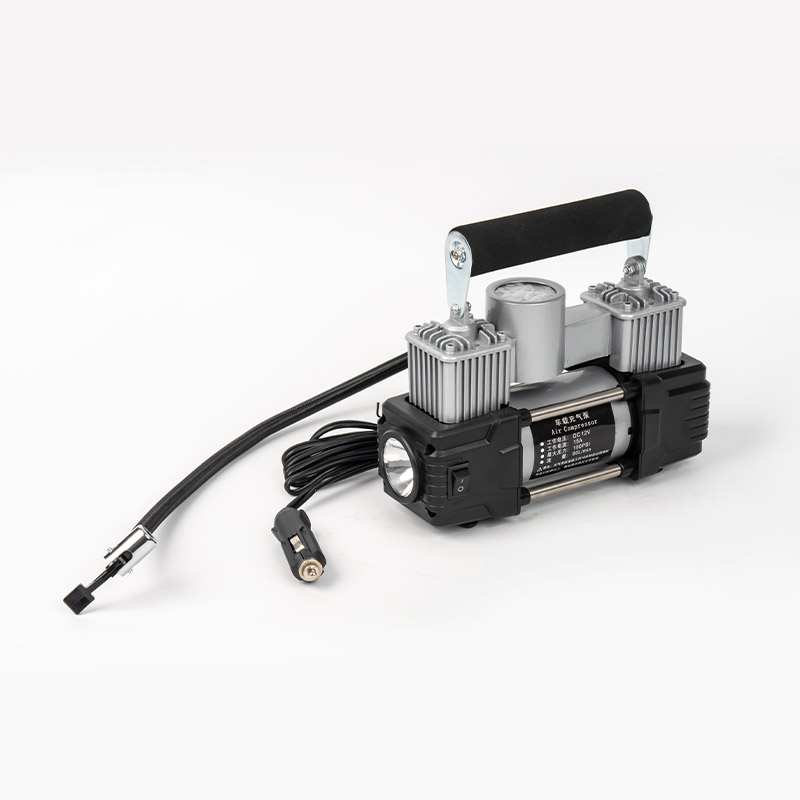
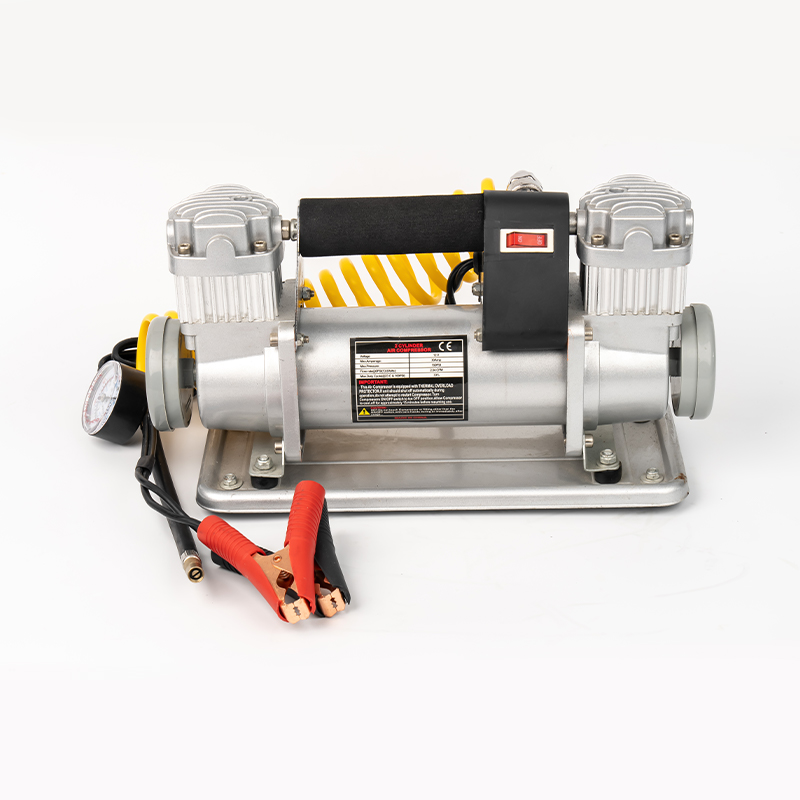
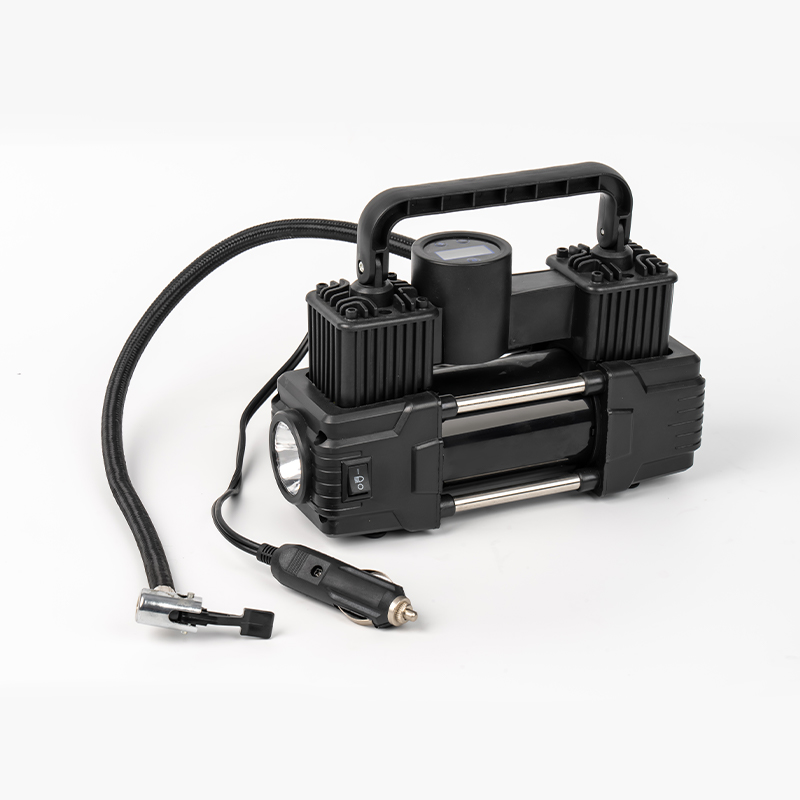
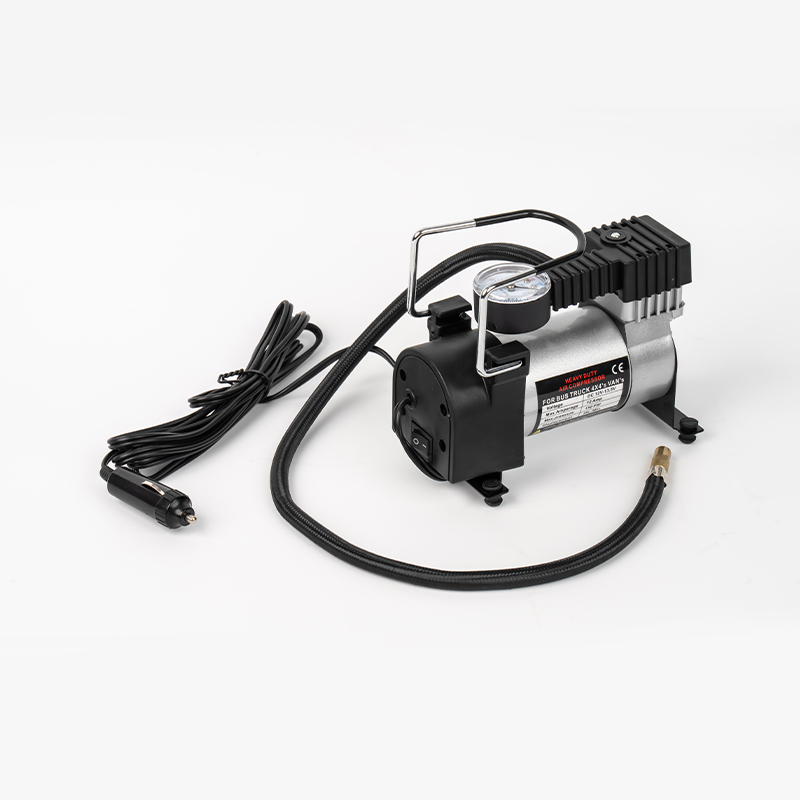
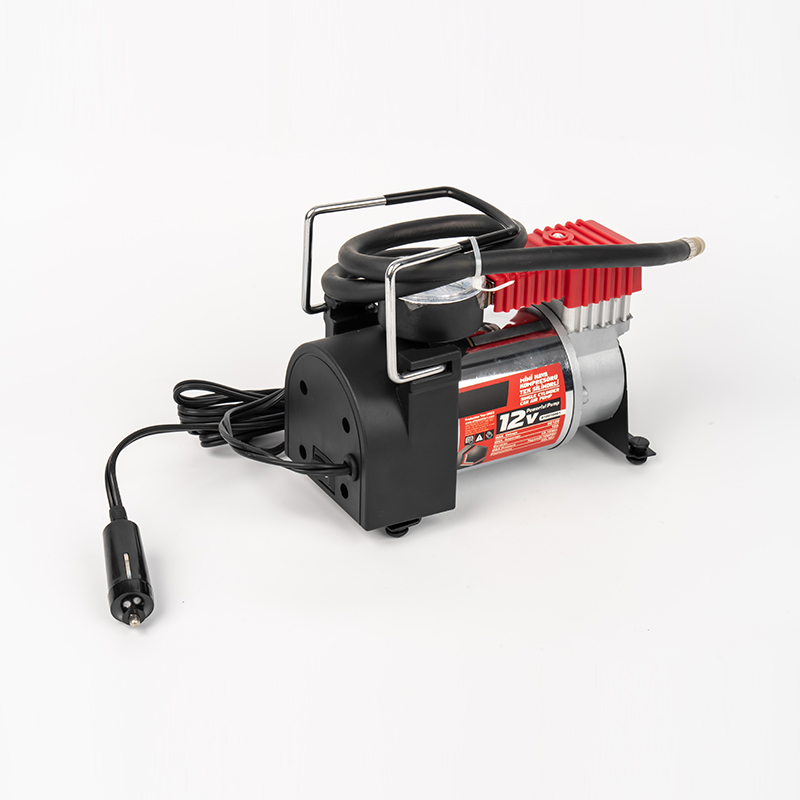
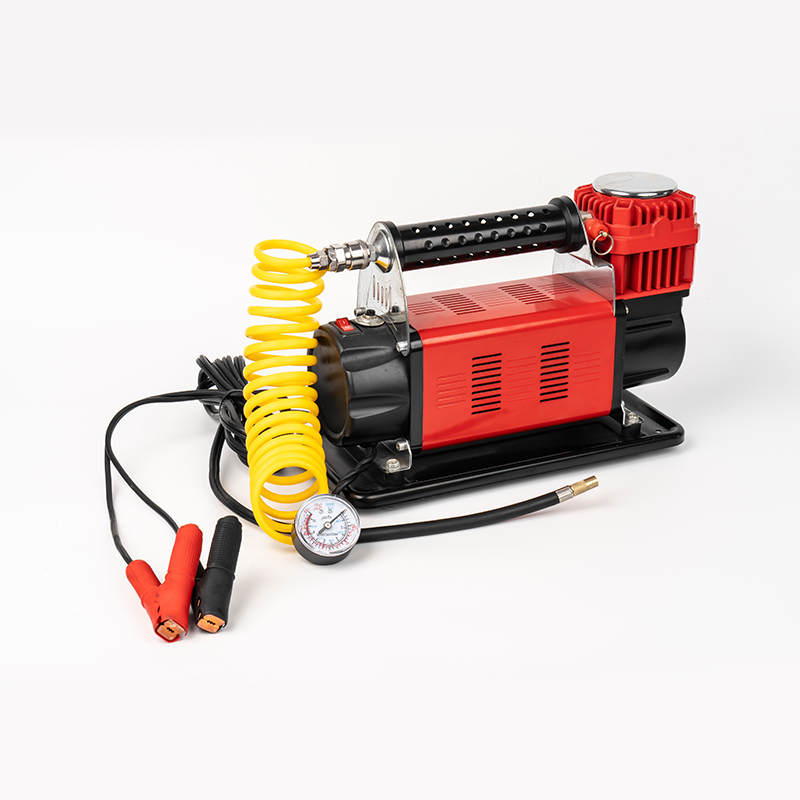
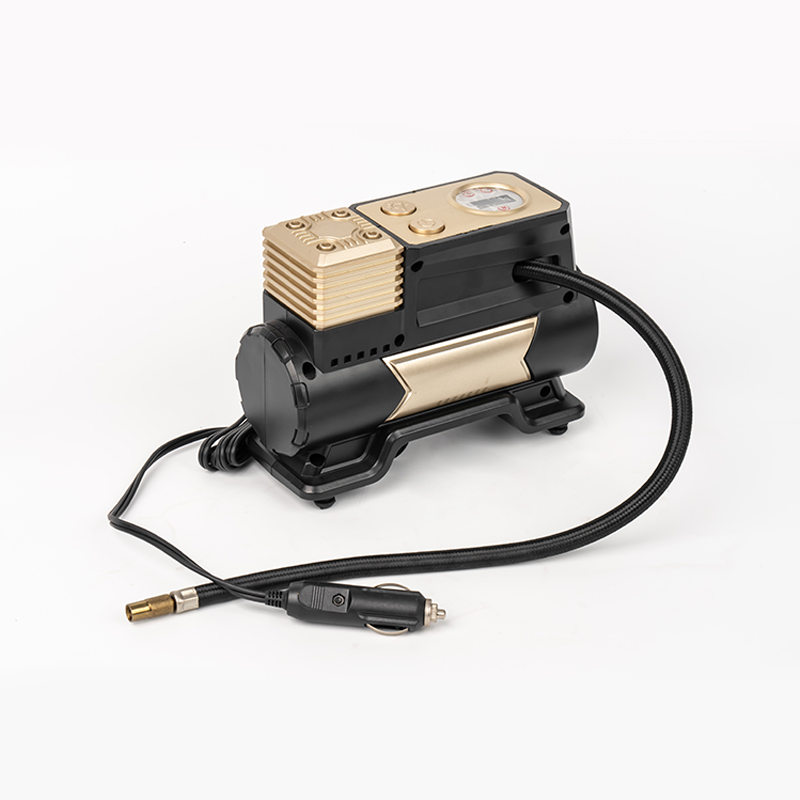
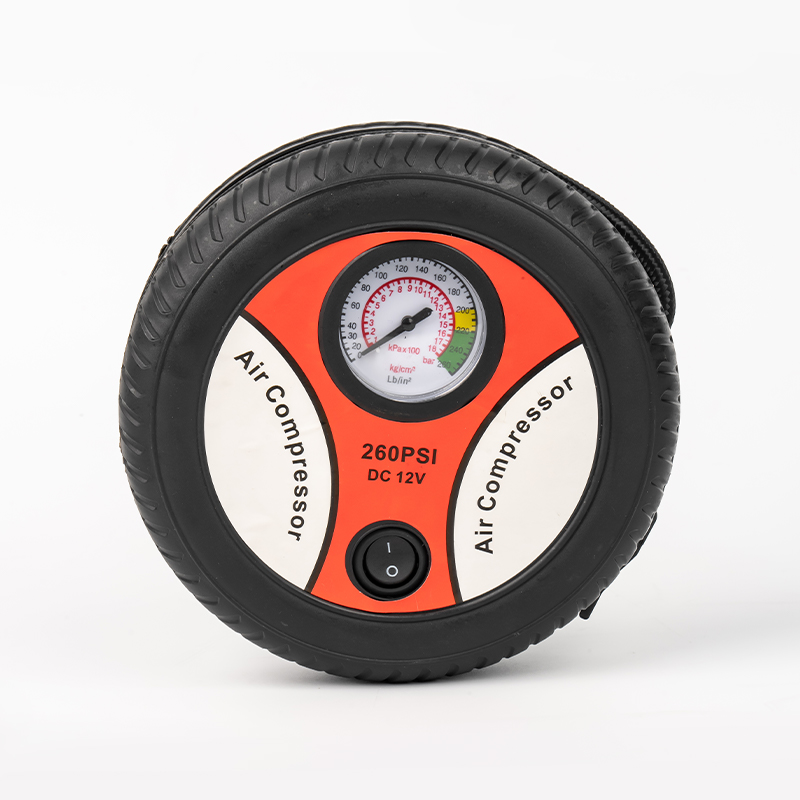
Vehicle air compressors are essential for various automotive and industrial applications, providing power to pneumatic tools, air suspension systems, and tire inflation. However, when it comes to handling heavy-duty applications, such as powering large machinery or sustaining continuous operation in harsh environments, the performance and capabilities of a vehicle air compressor become crucial.
What is a Vehicle Air Compressor?
A vehicle air compressor is a mechanical device that compresses air to store it in a tank for later use. It is often powered by the vehicle's engine or through an independent motor. The compressed air can then be used to power various tools and systems, such as air brakes, pneumatic tools, or air suspension systems. These compressors come in different sizes and types, depending on their intended application.
Key Features of Vehicle Air Compressors
- Pressure Capacity: The pressure output of a vehicle air compressor is typically measured in PSI (pounds per square inch). Higher PSI indicates greater power and efficiency for tasks that require substantial force.
- Flow Rate: This measures how much air the compressor can provide over a specific period, usually in CFM (cubic feet per minute). Higher flow rates are necessary for tasks that demand a continuous air supply.
- Portability: Vehicle air compressors are often designed to be portable, with compact and lightweight features for ease of transport.
- Durability: Heavy-duty applications often require compressors that can withstand extended operation and harsh environments without compromising performance.
Heavy-Duty Applications and Their Demands
Heavy-duty applications refer to tasks that demand higher levels of performance, such as operating large pneumatic tools, powering industrial machinery, or sustaining air systems under high pressure for prolonged periods. These applications can include:
- Industrial Manufacturing: Large machines and pneumatic tools often require high-volume, high-pressure air supply for efficient operation.
- Agriculture: Compressors are used to power equipment like air seeders and pneumatic systems on large agricultural vehicles.
- Construction: Pneumatic drills, hammers, and other tools demand robust air supply, often requiring industrial-grade compressors.
- Transportation: Trucks and large vehicles may use air compressors for tire inflation, air brakes, and suspension systems, especially when operating in challenging terrains.
Can a Vehicle Air Compressor Handle Heavy-Duty Applications?
While vehicle air compressors are highly versatile, their ability to handle heavy-duty applications depends on several factors, such as the type of compressor, its specifications, and the particular requirements of the task at hand.
Comparing Vehicle Air Compressors for Heavy-Duty Work
| Compressor Type |
Pressure Output (PSI) |
Flow Rate (CFM) |
Application Suitability |
| Portable Piston Compressor |
100–200 PSI |
2–6 CFM |
Best for smaller pneumatic tools, tire inflation |
| Heavy-Duty Rotary Screw Compressor |
150–300 PSI |
10–30 CFM |
Ideal for continuous operation, large tools, and industrial use |
| Two-Stage Compressors |
175–400 PSI |
15–50 CFM |
Best for demanding applications like construction and manufacturing |
From this comparison, it becomes clear that for heavy-duty applications, compressors like heavy-duty rotary screw compressors or two-stage compressors are better suited due to their higher PSI output and larger flow rates. These types of compressors are designed for continuous, high-demand tasks.
Advantages of Heavy-Duty Air Compressors
- Continuous Operation: Heavy-duty compressors are built to run for extended periods without overheating or breaking down, making them ideal for industrial and construction applications.
- Higher Air Capacity: These compressors provide greater air volume, which is necessary to keep large equipment running efficiently.
- Enhanced Durability: Heavy-duty compressors are constructed with durable materials that allow them to operate in harsh environments such as construction sites or agricultural fields.
Challenges with Using Vehicle Air Compressors for Heavy-Duty Tasks
While vehicle air compressors offer many benefits, they also present some challenges when used for heavy-duty applications:
- Overheating: Continuous use can lead to overheating, especially with smaller, portable models not designed for prolonged operation.
- Limited Air Supply: Some vehicle compressors may not be able to supply the volume of air required for larger industrial tasks, leading to inefficient performance or failure to meet operational needs.
- Energy Demands: Heavy-duty compressors require significant energy, which could put additional strain on the vehicle's engine or power system.
FAQ: Can a Vehicle Air Compressor Handle Heavy-Duty Applications?
Q1: What is the most powerful air compressor for heavy-duty applications?
A1: The most powerful compressors for heavy-duty work are typically rotary screw compressors and two-stage compressors, capable of handling higher PSI and larger air volumes.
Q2: How long can a vehicle air compressor run continuously?
A2: The run-time of a vehicle air compressor varies based on its type and design. Portable compressors may need breaks after 30 minutes to an hour of continuous use, while heavy-duty models are designed for longer operation without significant downtime.
Q3: Can I use a vehicle air compressor for tire inflation in large vehicles?
A3: Yes, vehicle air compressors can be used for tire inflation in large vehicles, but ensure that the compressor's PSI and CFM ratings are appropriate for the tire size and inflation requirements.
Q4: Are there any maintenance tips for using a vehicle air compressor in heavy-duty applications?
A4: Regular maintenance is crucial. Ensure the compressor is lubricated properly, check for leaks, clean air filters frequently, and inspect for wear and tear after extended use.
Conclusion
In conclusion, a vehicle air compressor can handle certain heavy-duty applications, but its effectiveness depends on the specific compressor type, its pressure and flow rate, and the task's demands. For sustained, high-demand operations, a more robust compressor like a rotary screw or two-stage compressor is recommended. Proper maintenance and careful selection of the right compressor will ensure optimal performance in heavy-duty applications.

 English
 Español
 عربى
عربى Türk
Türk