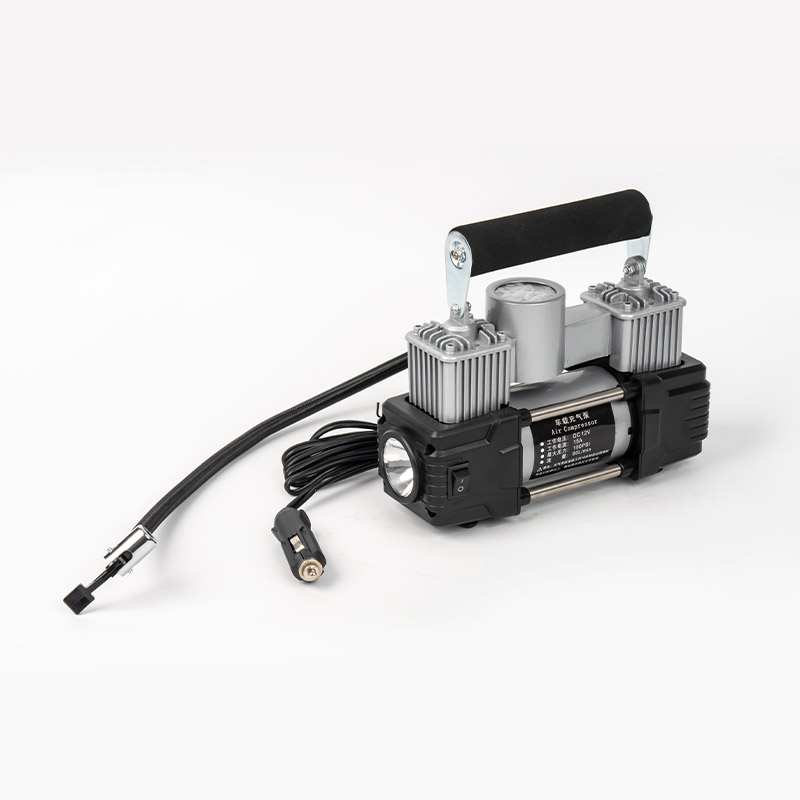
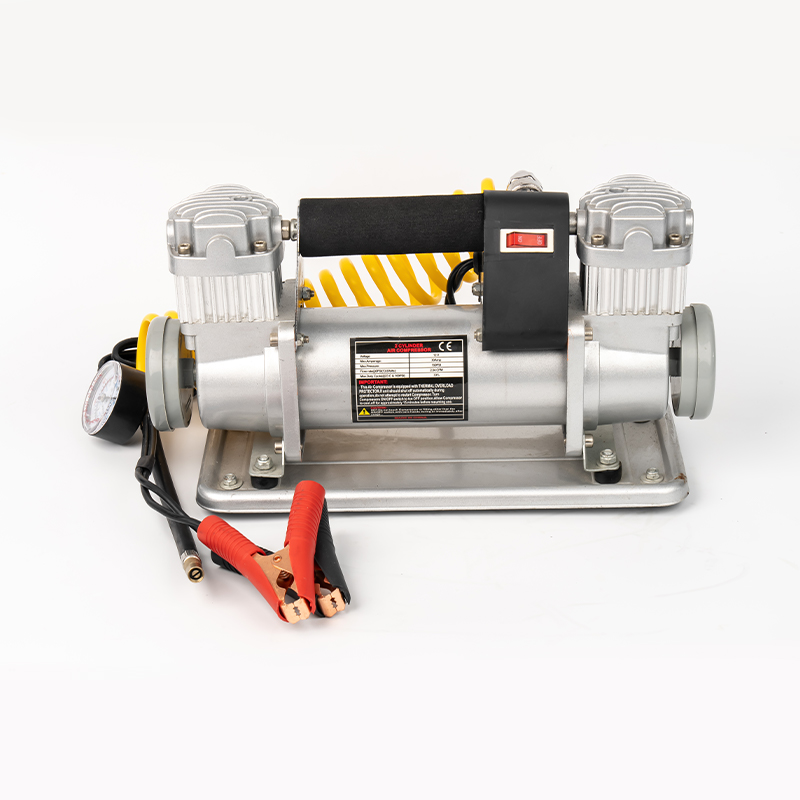
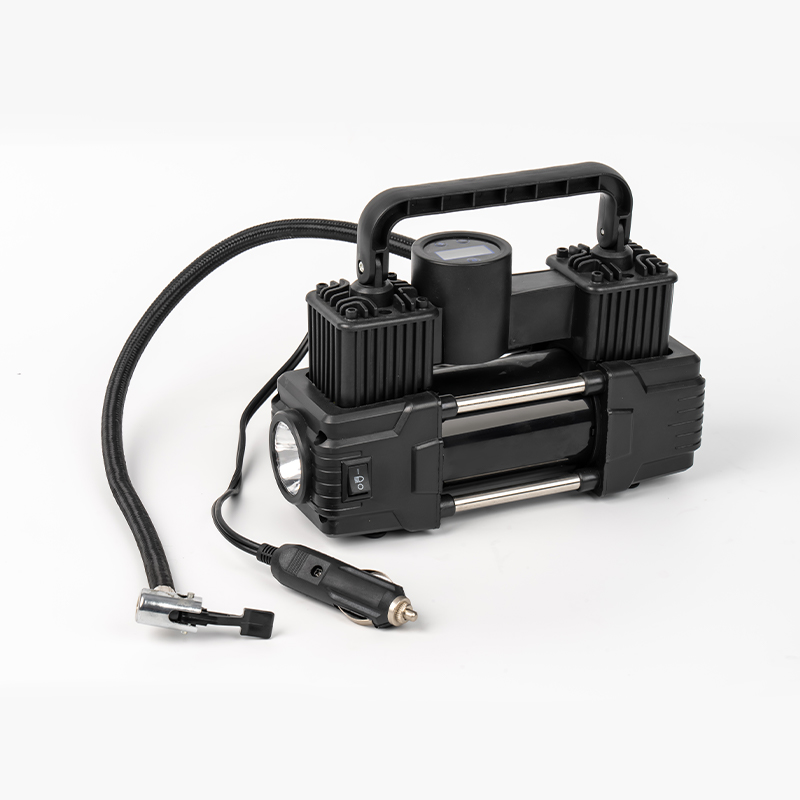
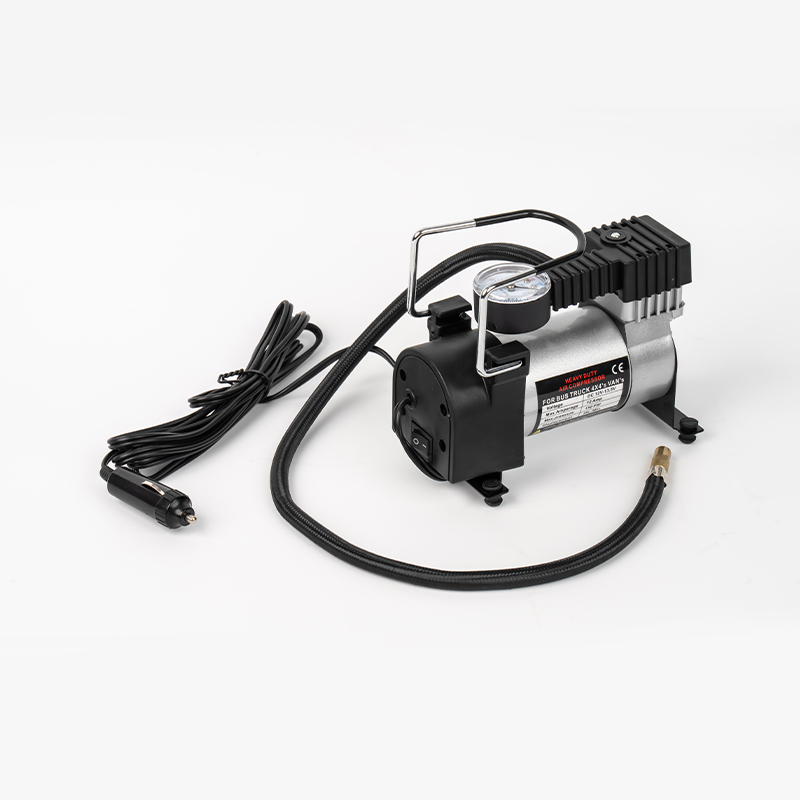
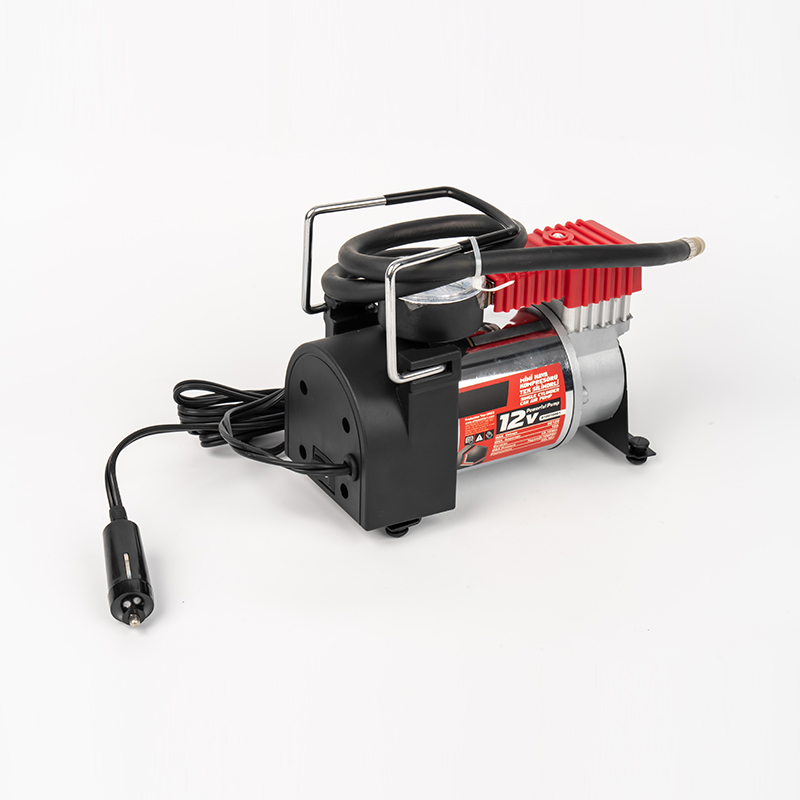
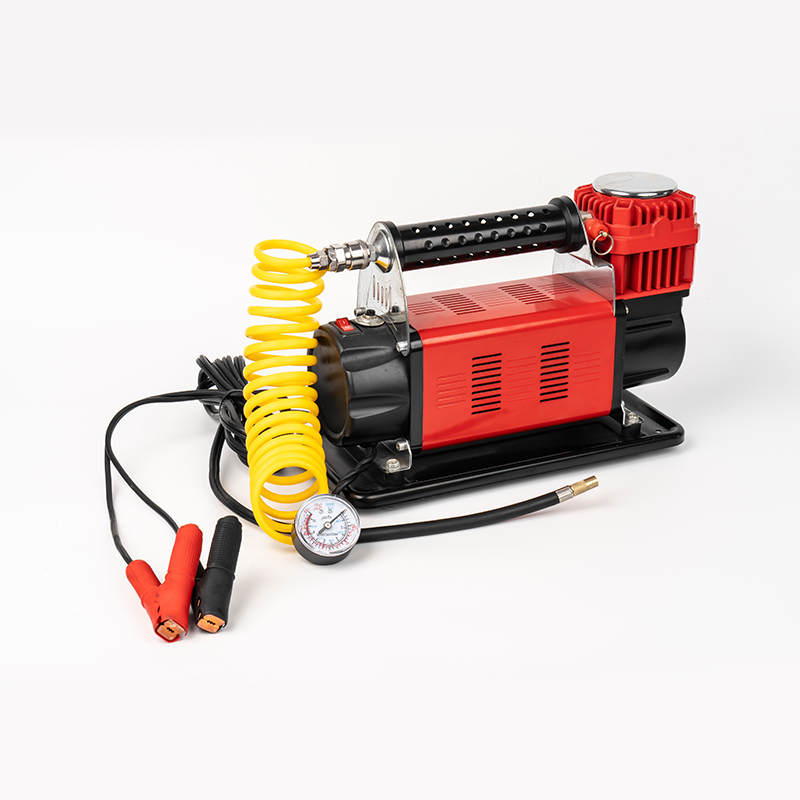
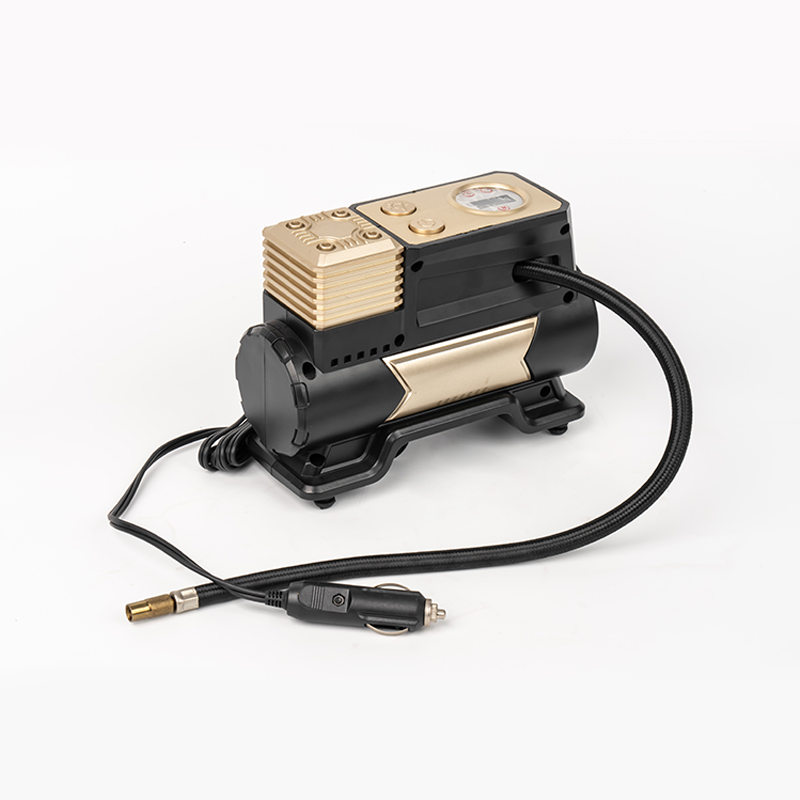
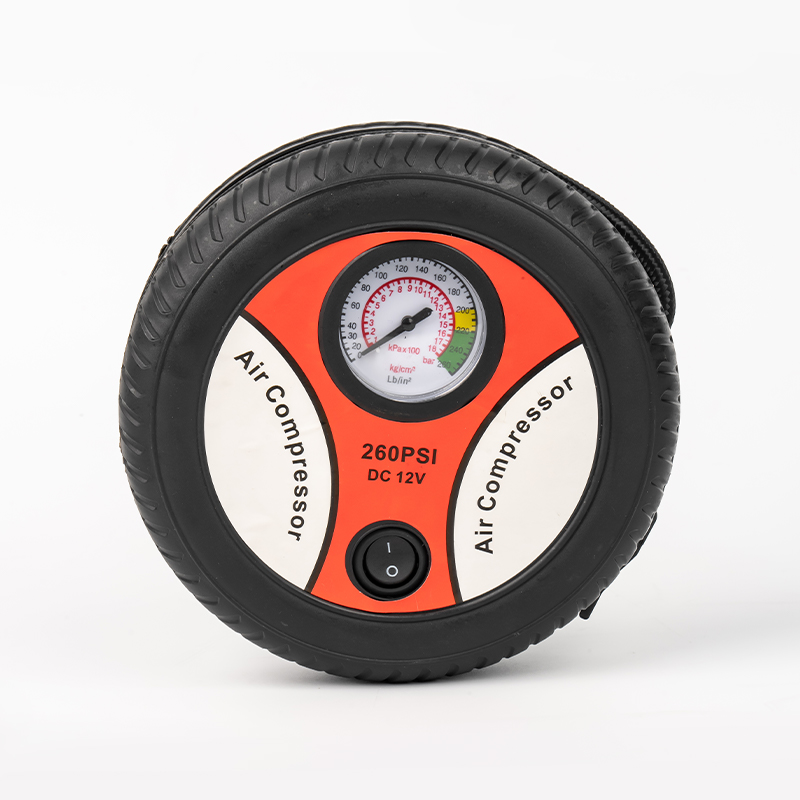
Vehicle Air Compressors are essential tools for car owners, especially those who frequently travel long distances or drive off-road. They provide the ability to inflate tires quickly and efficiently, ensuring safety, maintaining fuel efficiency, and extending tire life. Selecting the correct vehicle air compressor requires understanding the types, performance specifications, and intended applications.
Types of Vehicle Air Compressors
1. Portable Air Compressors
Portable air compressors are compact and lightweight, making them easy to store in your vehicle. They are ideal for emergency situations or occasional use. Most portable models are powered by the car's 12V socket, making them convenient for road trips.
2. Heavy-Duty Air Compressors
Heavy-duty compressors are larger and designed for frequent use or for inflating larger tires, such as SUVs, trucks, and off-road vehicles. They often feature higher airflow rates and can operate for longer periods without overheating.
3. Dual-Purpose Compressors
Some vehicle air compressors combine portability with high performance, offering a balance between convenience and power. These are suitable for drivers who need versatility for both daily commuting and off-road adventures.
Key Factors to Consider When Choosing a Vehicle Air Compressor
1. Airflow and Pressure Capacity
The efficiency of a vehicle air compressor is determined by two main specifications:
- PSI (Pounds per Square Inch): Indicates the maximum pressure the compressor can generate. Passenger cars typically require 30-35 PSI, while larger vehicles or trucks may need 60 PSI or more.
- CFM (Cubic Feet per Minute): Measures how quickly the compressor can inflate a tire. Higher CFM is beneficial for larger tires.
2. Power Source
Vehicle air compressors are commonly powered by:
- 12V DC Car Outlet: Convenient for road trips and small tires. Suitable for most passenger vehicles.
- Battery-Powered: Offers portability without the need for plugging into the car, but may have limited runtime.
- AC-Powered: Can be used at home for maintenance but not suitable for on-road emergencies.
3. Portability and Storage
If space is limited, consider the dimensions and weight of the compressor. Compact models fit easily in trunks or under seats. Heavy-duty models may require dedicated storage space.
4. Durability and Build Quality
Look for compressors with metal housings or reinforced plastic. Features such as thermal protection and anti-vibration design increase the longevity and reliability of the device.
5. Additional Features
Some vehicle air compressors offer extras like:
- Digital pressure gauges for precise inflation
- Multiple nozzle attachments for sports equipment or inflatable items
- LED lights for nighttime or emergency use
- Automatic shut-off to prevent over-inflation
Comparison of Popular Vehicle Air Compressor Models
| Feature |
Portable 12V Compressor |
Heavy-Duty 120V Compressor |
Dual-Purpose Compressor |
| Max PSI |
100 PSI |
150 PSI |
120 PSI |
| CFM |
1.2 |
4.5 |
2.5 |
| Weight |
3 kg |
15 kg |
6 kg |
| Power Source |
12V Car Socket |
AC Power |
12V & Battery |
| Best Use |
Passenger Cars |
Trucks, SUVs |
Mixed Use |
Installation and Maintenance Tips
Proper Usage
Always follow the manufacturer’s instructions. Ensure the compressor is placed on a flat surface and connected properly to the power source. Use the recommended hose and nozzle for your tires.
Routine Maintenance
- Check hoses and connections regularly for leaks or cracks.
- Clean the air intake filter to prevent dust and debris from entering the motor.
- Allow the compressor to cool down between heavy uses to prevent overheating.
- Store the device in a dry place to avoid corrosion and damage.
Benefits of Using a Vehicle Air Compressor
- Enhanced Safety: Maintaining proper tire pressure reduces the risk of accidents caused by under-inflated tires.
- Fuel Efficiency: Correct tire pressure improves fuel economy, saving money in the long run.
- Extended Tire Life: Even inflation prevents uneven wear and prolongs tire lifespan.
- Emergency Readiness: Quickly inflate tires during road emergencies, reducing delays and inconvenience.
Common Mistakes to Avoid
- Choosing a low-capacity compressor for large tires
- Ignoring the power source requirements
- Overlooking build quality and durability
- Failing to check the device regularly for wear and tear
Frequently Asked Questions (FAQ)
Q1: Can I use a portable 12V air compressor for truck tires?
Portable 12V compressors may work for light-duty truck tires, but inflating large tires may take a long time and put stress on the device. A heavy-duty or dual-purpose compressor is recommended for frequent use.
Q2: How fast can a vehicle air compressor inflate a tire?
The inflation speed depends on the CFM rating and tire size. Small passenger car tires may inflate in 3-5 minutes, while large SUV or truck tires may take 10-15 minutes with a standard compressor.
Q3: Is it safe to leave a compressor plugged in for long periods?
No. Continuous use beyond recommended intervals can cause overheating. Always allow the compressor to cool and avoid leaving it plugged in unattended.
Q4: Can a vehicle air compressor be used for inflatables?
Yes. Many compressors include nozzle adapters for inflating sports equipment, air mattresses, and other inflatables. However, ensure the PSI matches the requirements of the item.
Q5: What maintenance is required for long-lasting performance?
Regularly inspect hoses, clean air filters, avoid overuse, and store in dry conditions. Proper care ensures reliable performance for years.
Conclusion
Choosing the right vehicle air compressor involves evaluating the type, PSI, CFM, power source, portability, and durability. Consider your vehicle type, usage frequency, and storage constraints. Investing in a high-quality compressor ensures safety, convenience, and efficiency for all your tire inflation needs, whether on the road or off-road adventures.

 English
 Español
 عربى
عربى Türk
Türk