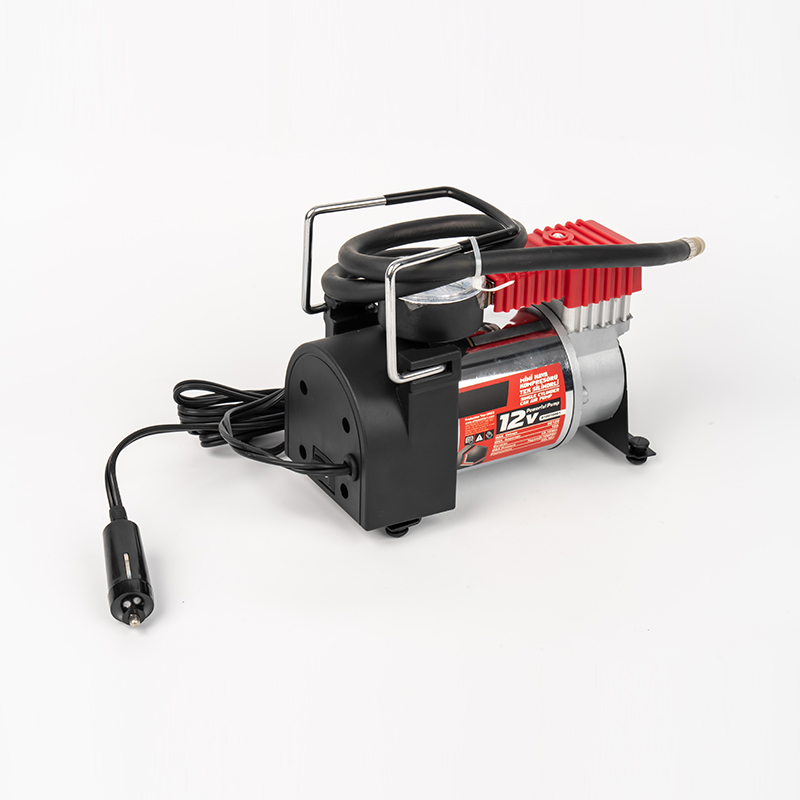
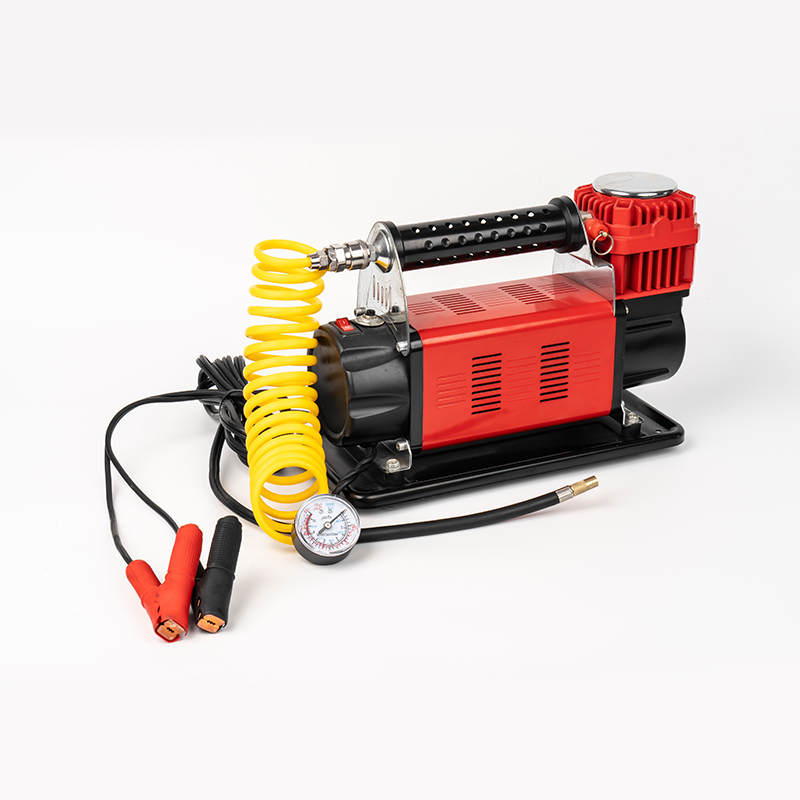
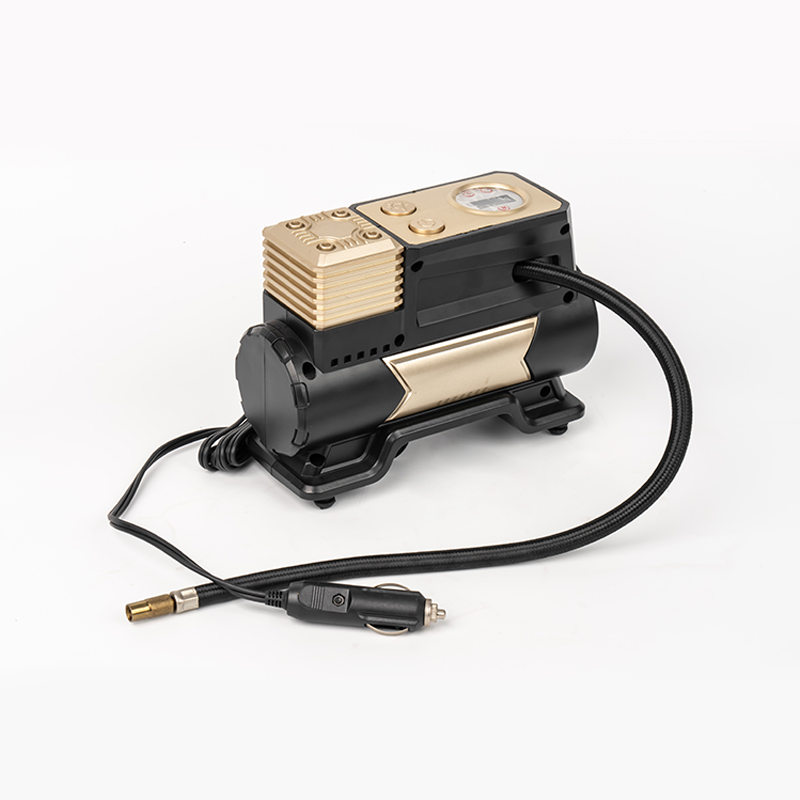
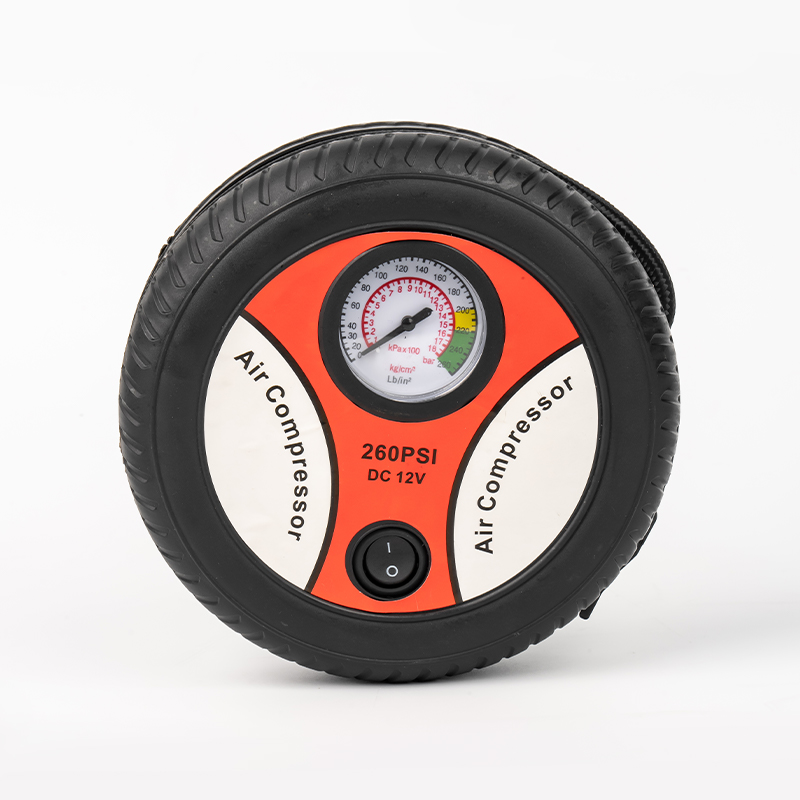
Quick Answer: To safely inflate tires with a vehicle air compressor, check the recommended PSI in your owner's manual or door jamb label, attach the compressor's air hose to the tire valve, power on the unit, and inflate in short bursts while monitoring pressure with a gauge — stopping once you reach the target PSI. Never exceed the maximum PSI stamped on the tire sidewall.
A vehicle air compressor is one of the most practical tools any driver can own. Whether you're dealing with a slow leak on a highway shoulder or doing routine tire maintenance in your driveway, knowing how to use a portable air compressor for car tires correctly can prevent blowouts, improve fuel economy, and extend the life of your tires significantly. This guide walks you through every step — from choosing the right compressor to inflating, checking, and maintaining safe pressure levels.
Why Proper Tire Inflation Matters
Tires are the only contact point between your vehicle and the road. Incorrect pressure — either too high or too low — creates measurable risks:
- Under-inflation causes excess heat buildup, uneven tread wear, poor handling, and reduced fuel efficiency — and is a leading cause of tire blowouts.
- Over-inflation reduces the tire's contact patch, making it more susceptible to damage from road hazards and producing a harsher ride.
- Correct pressure optimizes grip, maximizes tread life, and can improve fuel economy by up to 3% — saving real money over thousands of miles.
Using a vehicle air compressor regularly — at least once a month — is the simplest way to keep tires within the manufacturer's recommended range.
Types of Vehicle Air Compressors: Which One Should You Use?
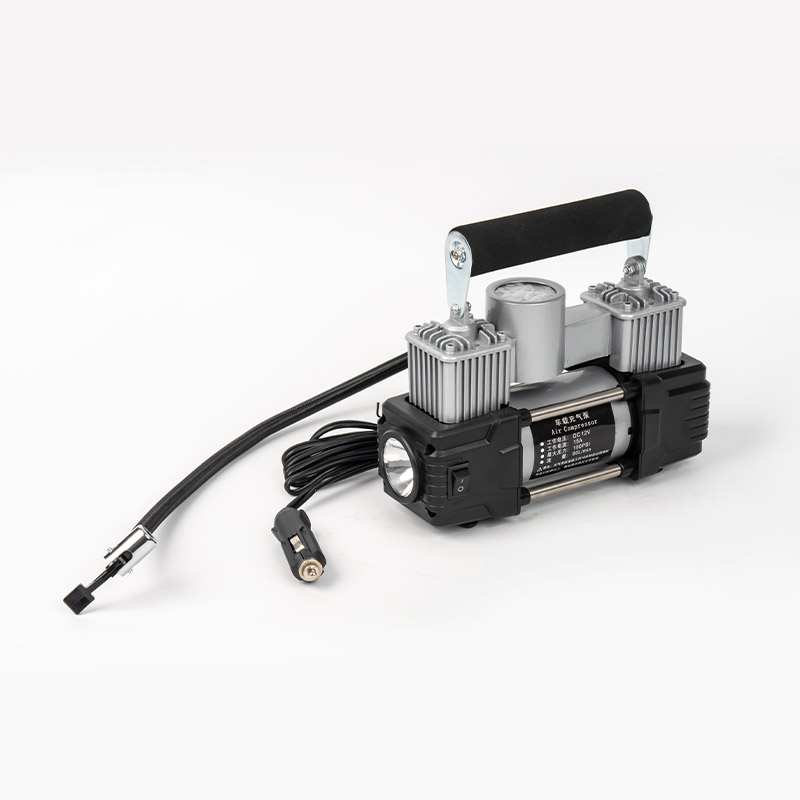
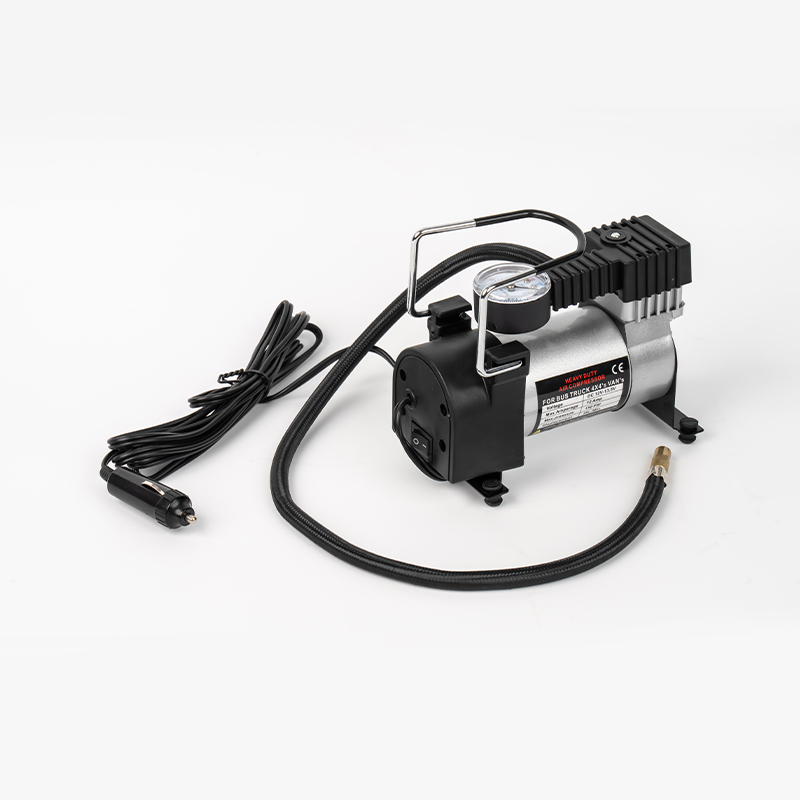
Not all vehicle air compressors are created equal. Understanding the differences helps you select the right tool for your situation.
| Type |
Power Source |
Max PSI |
Best For |
Portability |
| 12V DC Compressor |
Car's 12V outlet / cigarette lighter |
100–150 PSI |
Passenger cars, SUVs, roadside emergencies |
Very High |
| Cordless / Battery Compressor |
Rechargeable Li-ion battery |
120–150 PSI |
Travel, outdoor, no vehicle needed |
Very High |
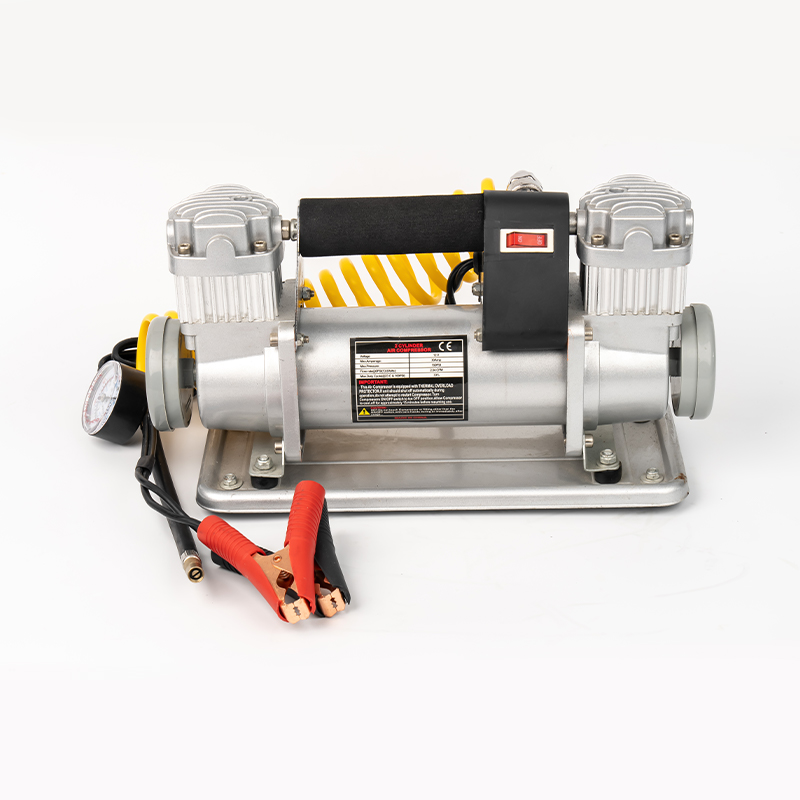
| Heavy-Duty 12V Compressor |
Direct battery clamp / 12V |
150–200 PSI |
Trucks, SUVs, light off-road tires |
High |
| Tank-Style Compressor |
110V AC (garage outlet) |
150–200 PSI |
Home garage, frequent use, multiple tires |
Low |
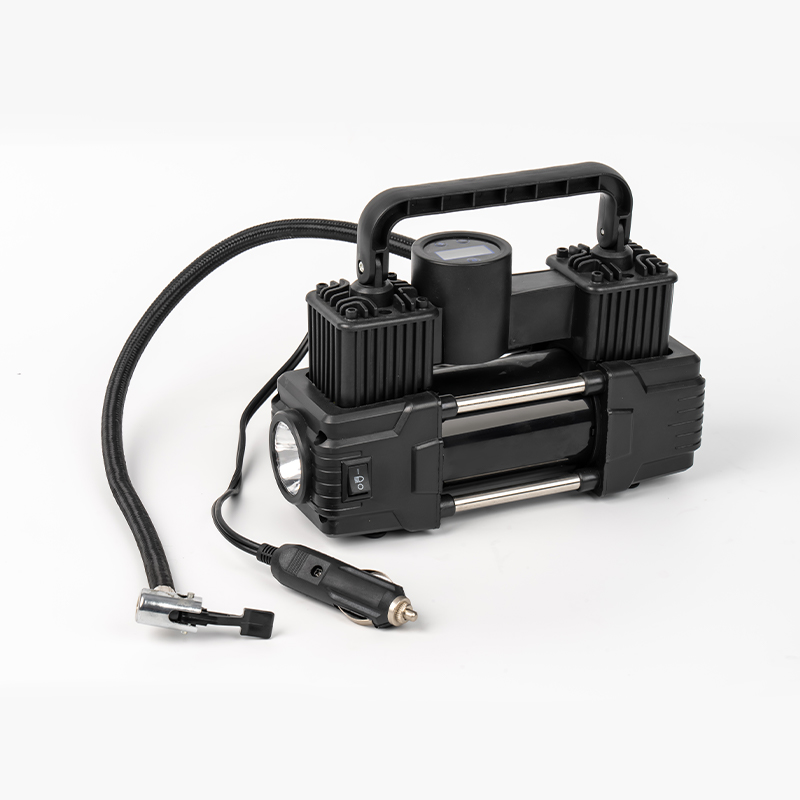
For most everyday drivers, a 12V portable vehicle air compressor with a built-in digital pressure gauge is the ideal combination of affordability, portability, and reliability.
What You Need Before You Start
Gather these items before inflating your tires:
- A vehicle air compressor (12V, cordless, or tank-style)
- A tire pressure gauge (digital is most accurate; analog dial gauges also work well)
- Your vehicle's recommended PSI — found on the door jamb sticker, glove box, or owner's manual
- Valve stem caps (in case any are missing or cracked)
- A flashlight if working in low-light conditions
Important Note: The recommended PSI for your vehicle is NOT the number printed on the tire sidewall. The sidewall number is the maximum PSI the tire can hold — not the ideal operating pressure. Always follow the vehicle manufacturer's recommendation.
Step-by-Step: How to Use a Vehicle Air Compressor to Inflate Tires
Step 1 — Check the Current Tire Pressure
Before connecting your vehicle air compressor, check existing pressure. Remove the valve stem cap (twist counterclockwise), press a tire pressure gauge firmly onto the valve, and note the reading. Compare it to your vehicle's recommended PSI. Tires lose roughly 1 PSI for every 10°F drop in temperature, so cold mornings may show artificially low readings — check after the car has been parked at least 3 hours for the most accurate "cold" measurement.
Step 2 — Set Up Your Vehicle Air Compressor
For a 12V compressor, plug the power cord into your vehicle's 12V outlet or cigarette lighter port. For direct-battery models, attach the clamps to the correct terminals (red to positive, black to negative). For cordless models, ensure the battery is charged before starting. Uncoil the air hose fully to prevent kinks that restrict airflow.
Step 3 — Connect the Air Hose to the Valve Stem
Press the hose connector firmly onto the tire's valve stem at a straight angle. A proper seal will prevent air from escaping — you'll hear a brief hiss as the connection seats, then silence if sealed correctly. Most vehicle air compressor hoses use a flip-lock or push-on connector. For flip-lock types, push on first, then lock the lever down.
Step 4 — Set the Target PSI (If Your Compressor Has Auto-Stop)
Many modern portable vehicle air compressors feature a digital display and auto-shutoff function. Input your target PSI using the unit's controls before powering on. The compressor will stop automatically once it reaches the set pressure — a convenient safety feature that prevents over-inflation.
Step 5 — Power On and Inflate in Short Intervals
Turn on the vehicle air compressor and let it run. For compressors without auto-stop, inflate in 30-second bursts, then pause to check the pressure reading. Most passenger car tires require 32–35 PSI, so filling from 20 PSI to 34 PSI typically takes 1–3 minutes depending on compressor flow rate (measured in CFM — cubic feet per minute).
Step 6 — Verify Pressure and Disconnect
Power off the compressor. Check the pressure with your gauge one final time. If you accidentally over-inflate, release air by briefly pressing the small pin inside the valve stem using the back of a gauge or a pen tip. Once pressure is correct, disconnect the hose, replace the valve stem cap, and move to the next tire.
Step 7 — Allow the Compressor to Cool Down
After inflating all four tires, allow the compressor to rest for 5–10 minutes before storing. Running a small vehicle air compressor continuously can overheat the motor. Most units have a duty cycle rating — check the manual (e.g., "30 minutes on, 30 minutes off").
Recommended PSI by Vehicle Type: Quick Reference Chart
Use this general reference — always verify with your specific vehicle's door jamb sticker:
| Vehicle Type |
Typical Front PSI |
Typical Rear PSI |
Notes |
| Compact / Sedan |
30–35 PSI |
30–35 PSI |
Check sticker — often same F/R |
| SUV / Crossover |
32–36 PSI |
32–36 PSI |
May vary when loaded |
| Pickup Truck (unloaded) |
35–40 PSI |
35–40 PSI |
Increase rear when hauling |
| Pickup Truck (loaded) |
35–40 PSI |
50–65 PSI |
Consult load rating label |
| Minivan |
33–36 PSI |
33–36 PSI |
Tends to match front/rear |
| Sports Car / Performance |
32–38 PSI |
34–42 PSI |
Often higher rear for handling |
Safety Tips When Using a Vehicle Air Compressor
- Never inflate a visibly damaged tire. If the sidewall is cracked, bulging, or the tread is missing, inflation can cause sudden rupture. Replace the tire first.
- Do not run the compressor in an enclosed space. Some compressor motors generate fumes. Use them outdoors or in well-ventilated garages.
- Keep the hose away from moving parts. When the engine is running for 12V power, keep the hose and your hands clear of belts and fans.
- Respect the duty cycle. Overheating is the #1 cause of compressor failure. Let the unit cool between uses as directed in the manual.
- Monitor pressure constantly on units without auto-stop. It's easy to over-inflate if you walk away.
- Check tire pressure when cold. Driving heats air inside tires, raising pressure by 4–6 PSI. Checking after a long drive will give an inaccurate (high) reading.
- Use the correct nozzle adapter. Most vehicle air compressors include adapters for Schrader valves (standard on most cars), Presta valves (common on bicycles), and balls/inflatables. Using the wrong adapter can damage the valve.
Manual vs. Auto-Stop Compressors: Which Is Safer?
One of the most important features to consider when choosing a vehicle air compressor is whether it includes an automatic pressure shutoff.
| Feature |
Manual Compressor |
Auto-Stop Compressor |
| Over-inflation risk |
Higher — requires user attention |
Low — shuts off at target PSI |
| Ease of use |
Moderate |
Very easy |
| Accuracy |
Depends on separate gauge quality |
Digital display — typically ±1 PSI |
| Price |
Lower |
Slightly higher |
| Recommended for |
Experienced users; occasional use |
All users; especially beginners |
For most drivers, investing a little more in an auto-stop vehicle air compressor is worth it — the risk of tire damage from over-inflation far outweighs the small price difference.
How to Maintain Your Vehicle Air Compressor
A well-maintained compressor lasts years longer and performs more reliably when you need it most. Follow these practices:
- Store in a dry, temperature-stable location. Moisture causes internal corrosion; extreme heat or cold can damage seals and electronics.
- Inspect the air hose regularly for cracks, kinks, or loose fittings. A damaged hose causes pressure loss and can be a safety hazard.
- Keep the air filter clean (if your model has one). A clogged filter reduces flow rate and strains the motor.
- Charge cordless units at least every 3 months even during periods of non-use to prevent battery degradation.
- Coil hoses loosely rather than tight loops to prevent internal cracking over time.
- Verify gauge accuracy against a known-accurate gauge annually — digital displays can drift after heavy use.
Common Mistakes to Avoid
- Inflating hot tires — always let tires cool to get an accurate cold pressure reading.
- Using the sidewall max PSI as your target — this is the structural limit, not the recommended driving pressure.
- Forgetting the spare tire — check and inflate your spare monthly. A flat spare at the roadside is a dangerous situation.
- Ignoring TPMS warnings — your Tire Pressure Monitoring System warns you when a tire is 25% or more below recommended PSI. Don't wait for the light to check tires.
- Running the compressor too long without pause — this risks overheating the motor and may cause the compressor to shut down mid-inflation or fail permanently.
- Leaving valve caps off — caps keep out dirt and moisture that can corrode the valve core and cause slow leaks.
Frequently Asked Questions (FAQ)
Q: Can I use a vehicle air compressor while the car engine is off?
Yes, but use it quickly. Running a 12V compressor with the engine off drains the battery. For longer inflation sessions (e.g., filling multiple tires from very low pressure), start the engine to prevent battery drain — or use a cordless/battery compressor instead.
Q: How long does it take a vehicle air compressor to inflate a flat tire?
A completely flat standard car tire (from 0 to 32 PSI) typically takes 5–10 minutes with a 12V portable compressor. However, vehicle air compressors are not designed to seat a bead on a truly unmounted flat — for a tire off the rim, you'll need a high-flow compressor at a service center. For a tire that lost pressure while still on the wheel, portable compressors work well.
Q: What PSI should I use for highway driving vs. city driving?
Stick to your vehicle manufacturer's recommended PSI regardless of driving environment. Some drivers add 2–3 PSI for extended high-speed highway driving to improve stability and heat resistance — but never exceed the tire's maximum PSI, and always return to the standard recommendation for normal use.
Q: My vehicle air compressor gets very hot during use — is that normal?
Yes, some heat is normal. The compressor motor works hard and generates heat. If it becomes uncomfortably hot to touch or automatically shuts off, it has reached its thermal limit — let it cool for 10–15 minutes before resuming. Running the compressor beyond its duty cycle is the leading cause of motor failure.
Q: Can I use a vehicle air compressor for tires other than car tires?
Absolutely. Most vehicle air compressors come with multiple adapters and can inflate bicycle tires, motorcycle tires, sports balls, inflatable kayaks, air mattresses, and more — as long as the required PSI is within the compressor's rated maximum output. Always use the correct nozzle adapter for the valve type.
Q: How often should I check my tire pressure?
At minimum, once a month and before any long road trip. Tires naturally lose 1–2 PSI per month under normal conditions, and seasonal temperature swings cause additional fluctuations. Regular checks with or without the help of a vehicle air compressor keep your tires safe and your fuel costs down.
Q: Is nitrogen better than regular air for inflating tires?
Nitrogen maintains pressure more consistently over temperature changes and doesn't cause internal corrosion, which is why it's used in racing and aircraft tires. For everyday drivers, the difference is marginal — regular air from a vehicle air compressor is perfectly adequate and free. The key is checking and maintaining correct pressure regularly.
Final Thoughts
Knowing how to properly use a vehicle air compressor to inflate tires is one of the most valuable and practical driving skills you can develop. It takes less than 10 minutes to check and correct all four tires, and doing so regularly protects your safety, extends tire life, and saves money on fuel.
Whether you choose a compact 12V unit that plugs into your car's power outlet, a cordless battery-powered model for maximum convenience, or a full tank-style compressor for your home garage, the principles are the same: know your target PSI, inflate gradually, check frequently, and never exceed the tire's maximum rating.
Keep a quality portable vehicle air compressor in your trunk alongside a reliable tire pressure gauge, and you'll be prepared for virtually any low-pressure situation on the road — no gas station required.

 English
 Español
 عربى
عربى Türk
Türk