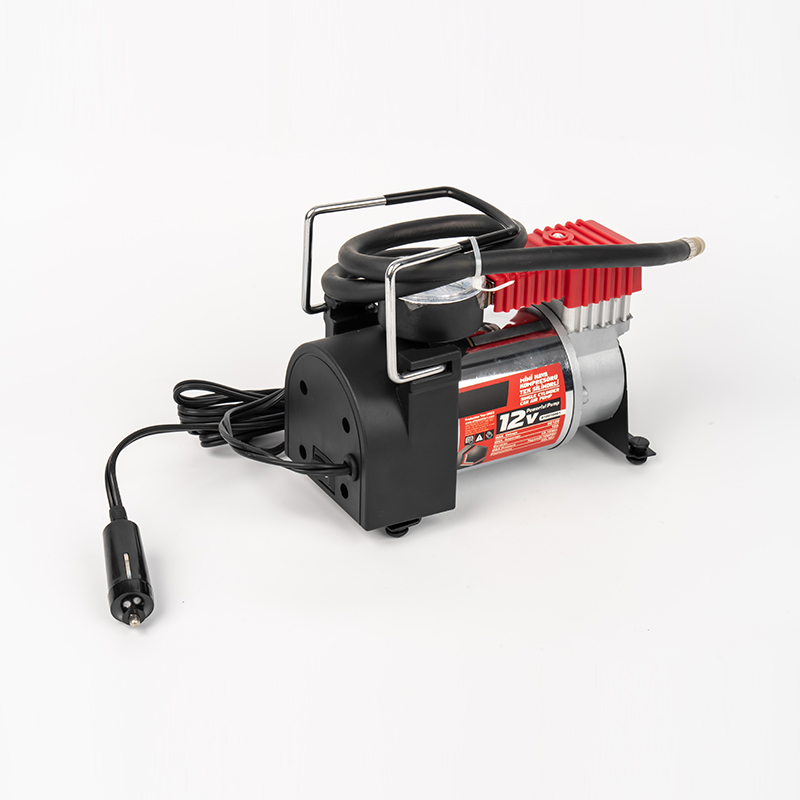
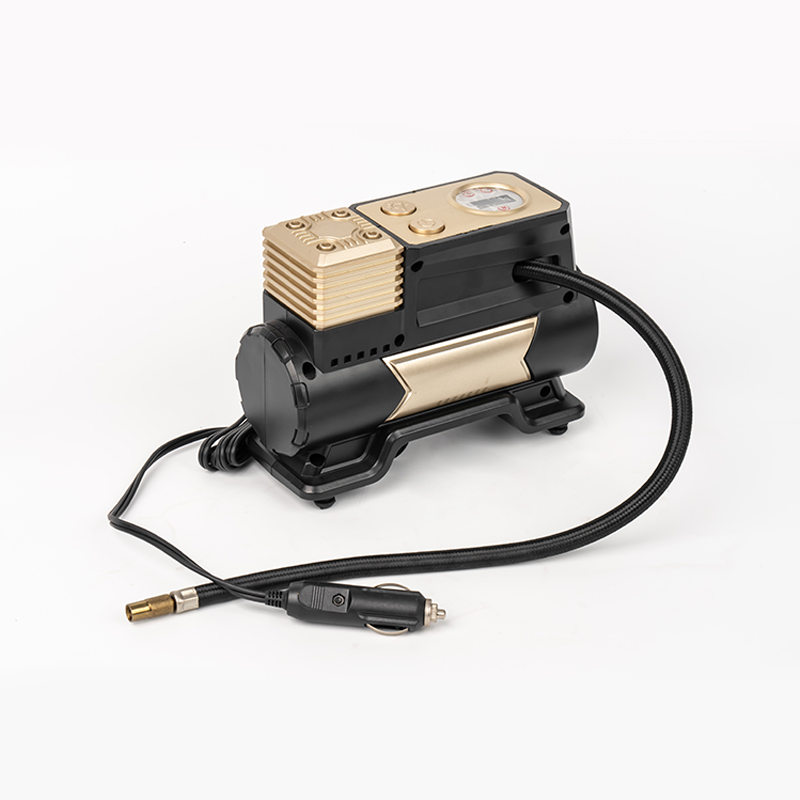
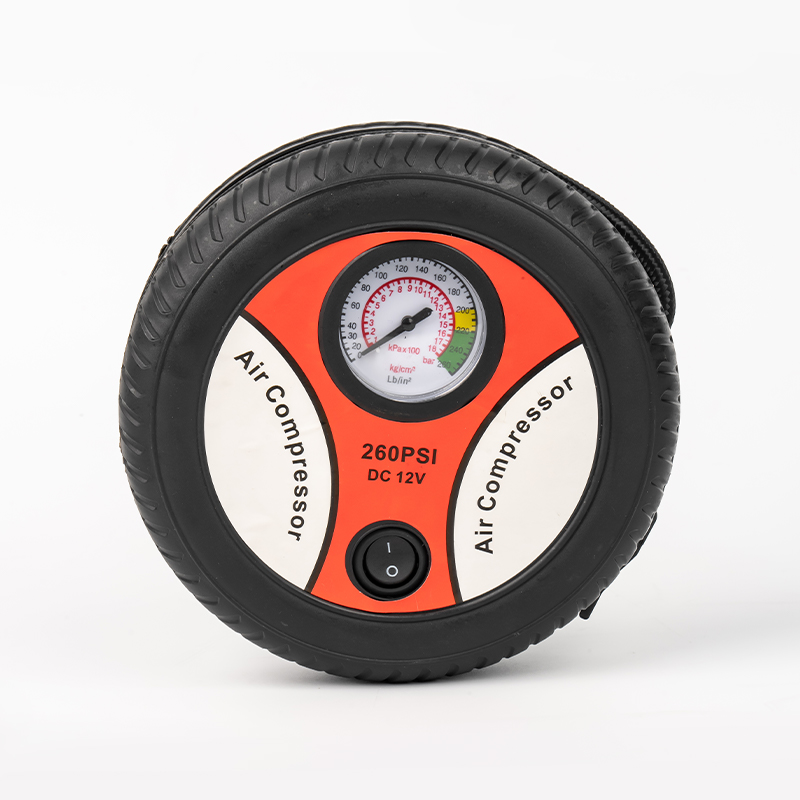
The short answer: For a standard passenger car, a vehicle air compressor rated at 100–150 PSI is sufficient. For SUVs and light trucks, aim for 150 PSI or more. Heavy-duty trucks, off-road vehicles, and commercial rigs require 150–200+ PSI with a higher CFM (cubic feet per minute) output. Choosing the wrong compressor power means under-inflated or over-inflated tires — both of which are safety hazards. This guide breaks it all down by vehicle type.
Why Compressor Power Matters for Your Vehicle
A vehicle air compressor is not a one-size-fits-all tool. Two critical specs govern its suitability: PSI (pounds per square inch) — the maximum pressure the unit can deliver — and CFM (cubic feet per minute) — how fast it delivers that air. A compressor that is too weak will take forever to inflate large tires; one that is too powerful can blow out a bicycle or motorcycle tire in seconds.
Beyond tire inflation, modern portable vehicle air compressors are also used for powering air tools, inflating air suspension systems, running onboard air lockers, and even operating air horns. Each use case carries its own power demands.
Key Specifications Explained
PSI – Pressure Output
PSI measures the maximum pressure the compressor can reach. Most passenger car tires sit between 32–36 PSI, while light truck tires can require up to 80 PSI when fully loaded. Off-road and commercial truck tires can demand 100–120 PSI. Always buy a compressor with a maximum PSI well above your tire's required pressure — running a unit at 100% of its rated PSI constantly shortens its lifespan.
CFM – Flow Rate
CFM determines how quickly the compressor fills a tire. A low CFM compressor can still reach high pressure — it just takes longer. For large tires (think 35-inch or larger off-road rubber), a low CFM means you could be sitting roadside for 15–20 minutes per tire. A higher CFM unit cuts that to 3–5 minutes. For air tools like impact wrenches, CFM matters even more than PSI.
Duty Cycle
The duty cycle is the percentage of time a compressor can run before needing to cool down. A 50% duty cycle means run for 30 minutes, rest for 30 minutes. For casual tire top-ups, this is fine. For trail riding where you are airing down and back up repeatedly, look for a 100% duty cycle unit.
Recommended Vehicle Air Compressor Power by Vehicle Type
| Vehicle Type |
Typical Tire PSI |
Recommended Compressor PSI |
Recommended CFM |
Notes |
| Bicycle / Motorcycle |
30–120 PSI |
120–150 PSI |
0.5–1.0 CFM |
Precision gauge critical; small volume tires |
| Passenger Car / Sedan |
30–36 PSI |
100–150 PSI |
1.0–1.5 CFM |
Most 12V compact units sufficient |
| Minivan / Crossover |
35–44 PSI |
120–150 PSI |
1.5–2.0 CFM |
Slightly larger tire volume |
| SUV / Full-Size SUV |
35–45 PSI |
150 PSI |
2.0–2.5 CFM |
Larger tires; faster fill needed |
| Light Pickup Truck |
35–65 PSI |
150 PSI |
2.0–3.0 CFM |
Load rating changes tire PSI |
| Off-Road 4x4 / Overlander |
10–40 PSI (variable) |
150–175 PSI |
3.0–4.5 CFM |
100% duty cycle strongly recommended |
| Heavy-Duty Truck (3/4 – 1 ton) |
55–80 PSI |
175–200 PSI |
3.5–5.0 CFM |
May also power air tools |
| Commercial / Semi Truck |
95–120 PSI |
200+ PSI |
5.0+ CFM |
Dedicated onboard systems preferred |
| RV / Motorhome |
80–110 PSI |
175–200 PSI |
4.0–6.0 CFM |
Multiple large tires; high CFM essential |
Deep Dive: Compressor Needs by Vehicle Category
1. Passenger Cars and Sedans
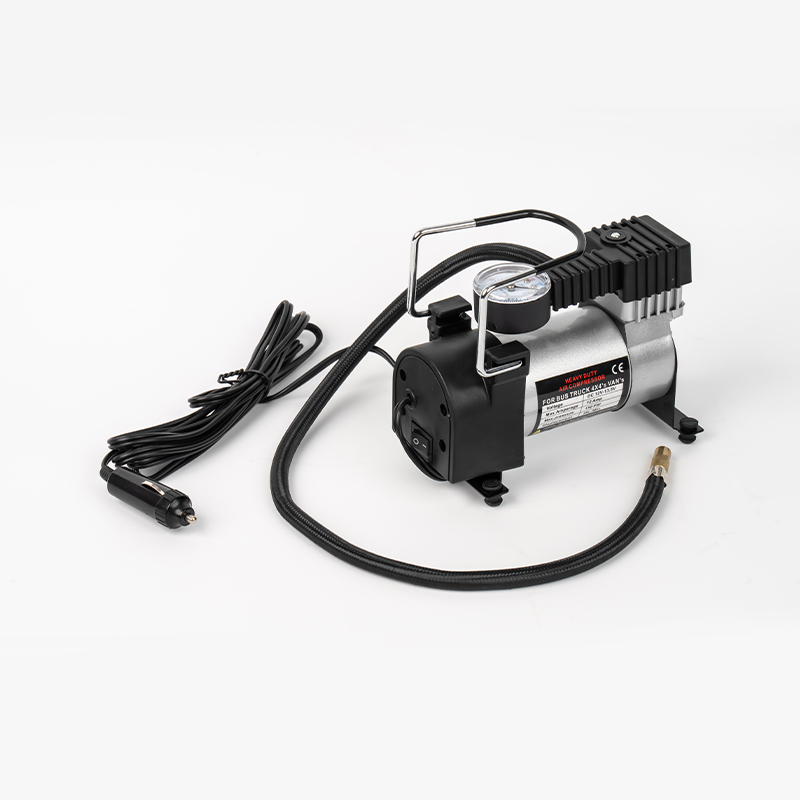
The humble sedan is the most forgiving application for a vehicle air compressor. Standard tire sizes like 205/55R16 or 225/50R17 hold modest air volumes. A compact 12V unit drawing power from your cigarette lighter socket — typically rated at 100–150 PSI — handles this job easily. Fill time from flat to 35 PSI is usually 3–6 minutes per tire. Look for a built-in digital pressure gauge for accuracy. These units are lightweight (under 3 lbs), cost-effective, and tuck neatly in a glove box.
2. SUVs and Crossovers
SUV tires are physically larger and have more internal volume than car tires. A tire like 265/60R18 holds significantly more air. While the required inflation pressure (35–45 PSI) is similar to a car, the volume of air needed is greater — which is where CFM becomes critical. An underpowered compressor will technically reach the target PSI, but it might take 10–15 minutes per tire. A vehicle air compressor with 2.0 CFM or more at 150 PSI is the sweet spot for this class.
3. Pickup Trucks
Light-duty trucks have variable tire pressure needs depending on load. Unloaded, front tires may sit at 40 PSI; rear tires under a full payload can jump to 65–70 PSI. A 150 PSI vehicle air compressor with a 2.5–3.0 CFM output handles light-duty trucks well. For 3/4-ton and 1-ton trucks — especially those towing trailers — stepping up to a 175–200 PSI unit ensures you are never in a situation where your compressor cannot reach the required pressure under load.
4. Off-Road and Overlanding Vehicles
This is the most demanding category for a portable vehicle air compressor. Off-road drivers routinely "air down" — deflating tires to 15–20 PSI for better traction on sand, mud, or rocks — then must re-inflate once back on pavement. This means fully airing up four 35-inch or larger tires from 15 PSI to 35 PSI, repeatedly, sometimes in extreme heat or cold.
Requirements here are non-negotiable:
- 150–175 PSI maximum output
- 3.5–4.5 CFM flow rate
- 100% duty cycle (continuous run capability)
- Thermal protection to prevent burnout in hot climates
- Rugged housing — dust- and water-resistant at minimum
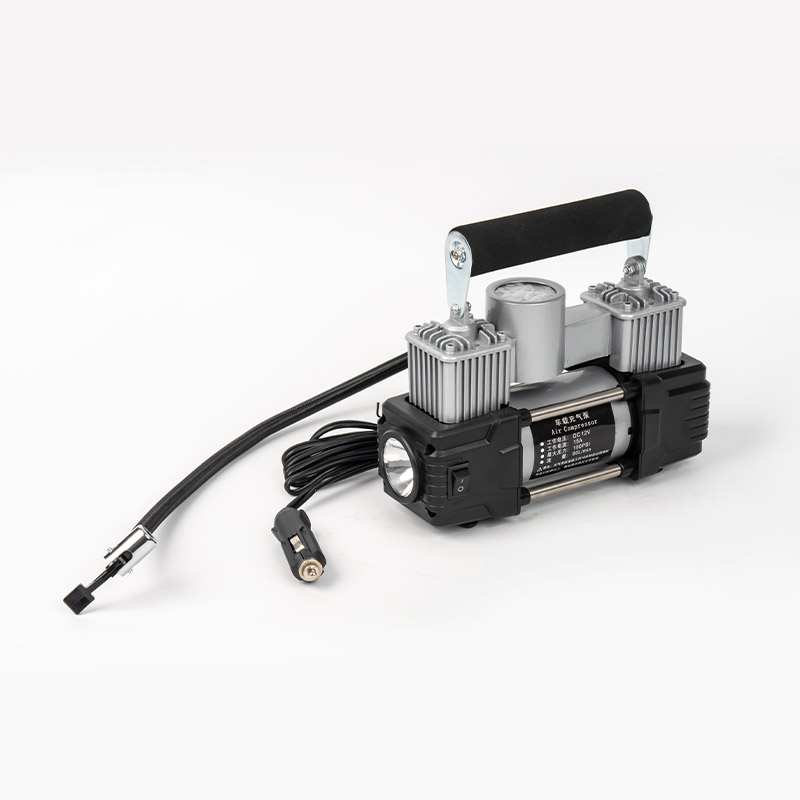
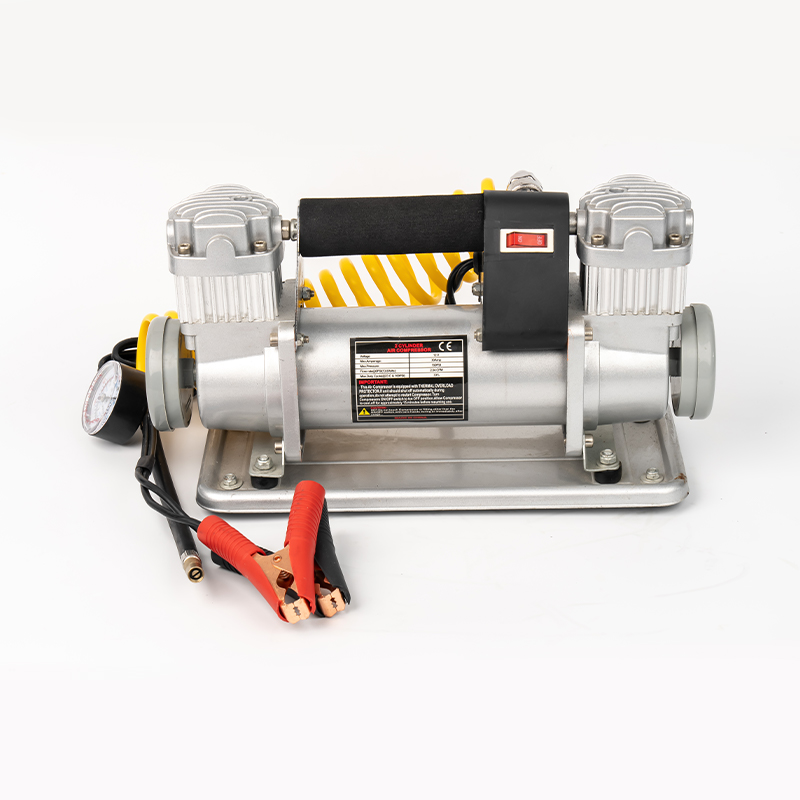
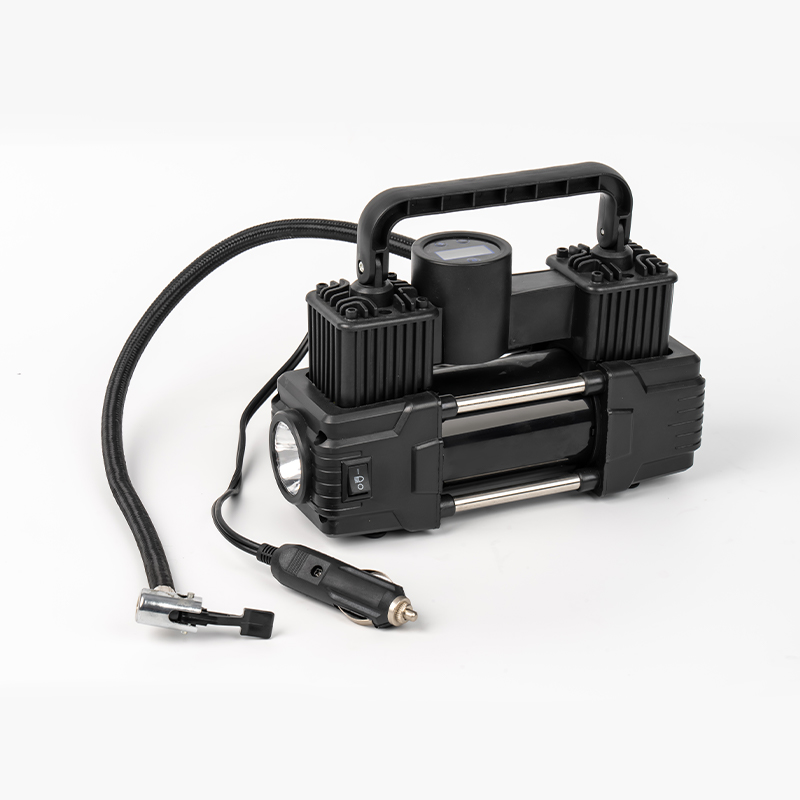
Many serious overlanders opt for dual-motor or twin-cylinder vehicle air compressors that deliver 4.0+ CFM, cutting re-inflation time dramatically.
5. RVs and Motorhomes
RV tires can require 80–110 PSI and come in large sizes. These tires are high-pressure and high-volume — a brutal combination. A compact 12V unit simply cannot do this job; you need a vehicle air compressor with at least 175–200 PSI capability and 4+ CFM, often powered via a dedicated 12V battery connection rather than a cigarette lighter socket. Many RV owners install a permanently mounted onboard air system for convenience.
6. Commercial Trucks and Semi-Trucks
Commercial vehicles operate under the most demanding conditions and use the highest tire pressures. Steer axle tires typically run at 110–120 PSI, with drive and trailer tires in the 95–100 PSI range. Portable vehicle air compressors used for roadside emergencies in this class must be rated at 200+ PSI. A standard 12V unit is not viable here — a 120V/240V unit or heavy-duty 24V compressor is required.
Types of Vehicle Air Compressors Compared
| Type |
Power Source |
PSI Range |
Best For |
Limitations |
| Compact 12V |
Cigarette lighter |
Up to 150 PSI |
Cars, sedans, motorcycles |
Low amperage, slow fill on large tires |
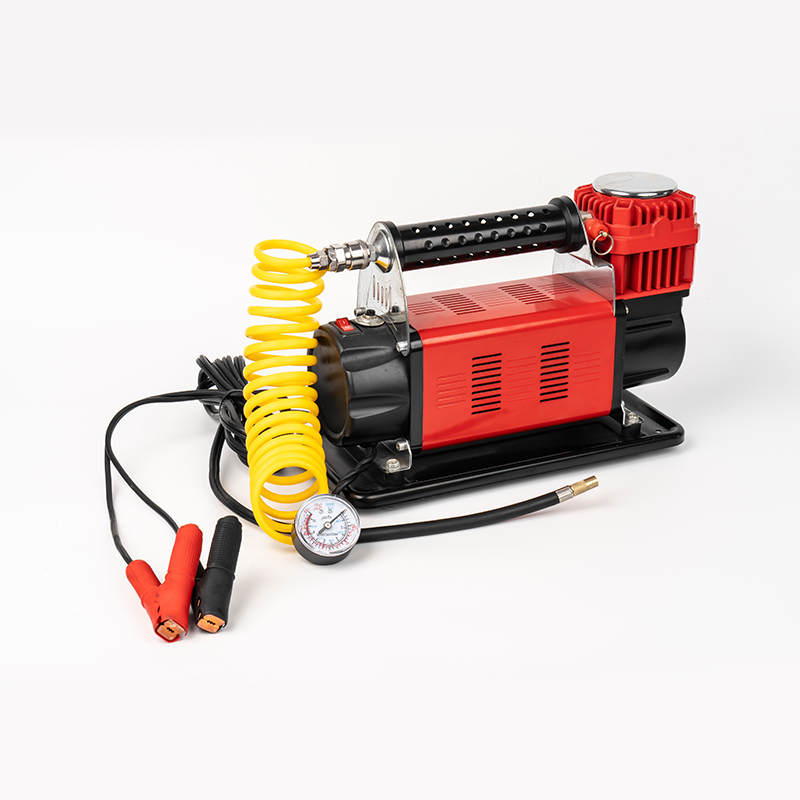
| Heavy-Duty 12V |
Direct battery clamps |
150–175 PSI |
SUVs, trucks, off-road |
Requires battery access |
| Onboard / Mounted |
12V / 24V vehicle power |
150–200 PSI |
Off-road, RV, 4x4 builds |
Permanent install required |
| Tank-Style Portable |
120V AC or battery |
Up to 200 PSI |
RV, workshop, commercial |
Heavy, needs power outlet |
| Cordless / Battery-Powered |
Li-ion battery pack |
Up to 150 PSI |
Cars, bikes, convenience |
Limited capacity per charge |
Additional Factors to Consider When Choosing a Vehicle Air Compressor
Hose Length and Connections
A compressor with a short hose forces you to move it around the vehicle to reach each tire. Look for at least a 10-foot hose; 16 feet or more is ideal for trucks and large vehicles. Quick-connect fittings save time compared to screw-on chuck connectors.
Digital vs. Analog Pressure Gauge
Digital gauges offer greater precision — typically ±0.5–1 PSI accuracy — compared to analog gauges, which can vary by ±3–5 PSI. For optimal tire life and safety, a digital gauge is worth the extra investment.
Auto Shut-Off Feature
A vehicle air compressor with automatic shut-off stops inflating once the target PSI is reached. This prevents over-inflation and removes the need to stand over the unit during the inflation process — a significant convenience when servicing all four tires.
Noise Level
Most portable vehicle air compressors operate at 65–80 dB — comparable to a vacuum cleaner. High-output units can reach 85–90 dB. If you frequently inflate tires in residential areas, noise level may be a secondary consideration worth reviewing.
Temperature Performance
Cold weather significantly affects a compressor's performance and motor starting ability. Look for units rated to operate down to -20°F (-29°C) if you live in cold climates. Motor housing with thermal protection prevents overheating in summer use.
Power Requirements: How Much Is "Enough"?
A common question is whether to buy the most powerful vehicle air compressor available. The answer is no — match power to your vehicle. Overpowered compressors for small cars are heavier, louder, more expensive, and draw more current than your vehicle's socket can supply. Conversely, underpowered compressors on large tires risk motor burnout and frustrating fill times.
A practical rule of thumb:
- Buy a compressor whose maximum rated PSI is at least 25% above your tire's maximum pressure.
- Ensure the CFM rating is matched to your tire size — not just the PSI.
- If you tow, carry loads, or off-road, always size up one category from the baseline recommendation.
Frequently Asked Questions (FAQ)
Q: Can I use a car compressor on a truck?
A: It depends. If the truck uses standard light-duty tires requiring up to 50–65 PSI, a high-quality 150 PSI vehicle air compressor will work but will run a long time. For heavy-duty truck tires requiring 80–120 PSI, a compact car unit is insufficient — you need a purpose-built heavy-duty model.
Q: How long should a vehicle air compressor take to inflate a tire?
A: A properly matched vehicle air compressor should inflate a car tire from flat (0 PSI) to 35 PSI in approximately 3–5 minutes. For a large truck or SUV tire, 5–10 minutes is typical. Anything significantly longer suggests the unit is underpowered for the application.
Q: Is a higher PSI rating always better?
A: Not necessarily. Higher PSI capability typically means a heavier, more expensive unit. For passenger cars, a 150 PSI vehicle air compressor is more than adequate. However, if you plan to use the same compressor across multiple vehicle types, a higher-rated unit offers more versatility.
Q: Can a portable vehicle air compressor power air tools?
A: Some can, but most portable 12V units do not have sufficient CFM to run air tools properly. An impact wrench may require 4–6 CFM at 90 PSI. Most compact portable compressors max out at 1.5–2.5 CFM, making them insufficient for sustained tool use. Purpose-built onboard compressors with high CFM ratings can handle light air tool operation.
Q: What PSI should I inflate my tires to?
A: Always follow the recommendation on the vehicle's door jamb sticker or owner's manual — not the max PSI stamped on the tire sidewall (that is the tire's structural limit, not the recommended operating pressure). The recommended PSI is typically 32–36 PSI for passenger cars and varies widely for trucks and off-road vehicles depending on load.
Q: Is it safe to leave a compressor running unattended?
A: Only if the unit has a reliable auto shut-off feature and thermal overload protection. Without these safeguards, an unattended compressor risks over-inflating the tire and motor damage from overheating.
Q: Do I need a vehicle air compressor if my car has a TPMS?
A: Yes. A Tire Pressure Monitoring System (TPMS) alerts you to low tire pressure — it does not fix it. Once the warning light activates, you still need a vehicle air compressor to re-inflate the tire. TPMS-equipped vehicles make a compressor even more useful since you are alerted to pressure drops you might otherwise miss.
Q: How do I know if my vehicle air compressor is failing?
A: Signs of a failing compressor include: unusually long inflation times, excessive heat during operation, abnormal noise (grinding or high-pitched squealing), failure to reach rated PSI, and automatic thermal shutoff triggering repeatedly. Regular maintenance — cleaning air filters, checking hose connections, and storing properly — extends compressor lifespan significantly.
Final Verdict: Match the Compressor to the Vehicle
Selecting the right vehicle air compressor comes down to three variables: the maximum PSI your tires require, the volume of air needed (which scales with tire size), and how frequently and intensively you will use the unit. There is no single "best" compressor — there is only the best one for your specific vehicle and use case.
To summarize the guidelines:
- Cars and motorcycles: 100–150 PSI, compact 12V unit, 1.0–1.5 CFM
- SUVs and crossovers: 150 PSI, 1.5–2.5 CFM
- Light trucks: 150 PSI, 2.5–3.0 CFM
- Off-road vehicles: 150–175 PSI, 3.5–4.5 CFM, 100% duty cycle
- Heavy-duty trucks and RVs: 175–200 PSI, 4.0–6.0 CFM
- Commercial vehicles: 200+ PSI, dedicated onboard or workshop unit
Invest in the right power rating now and your vehicle air compressor will serve you reliably for years — whether you are topping off tires in a parking lot or re-inflating after a challenging trail run. Never underestimate how critical correct tire pressure is to fuel economy, tire wear, handling, and most importantly, safety.

 English
 Español
 عربى
عربى Türk
Türk