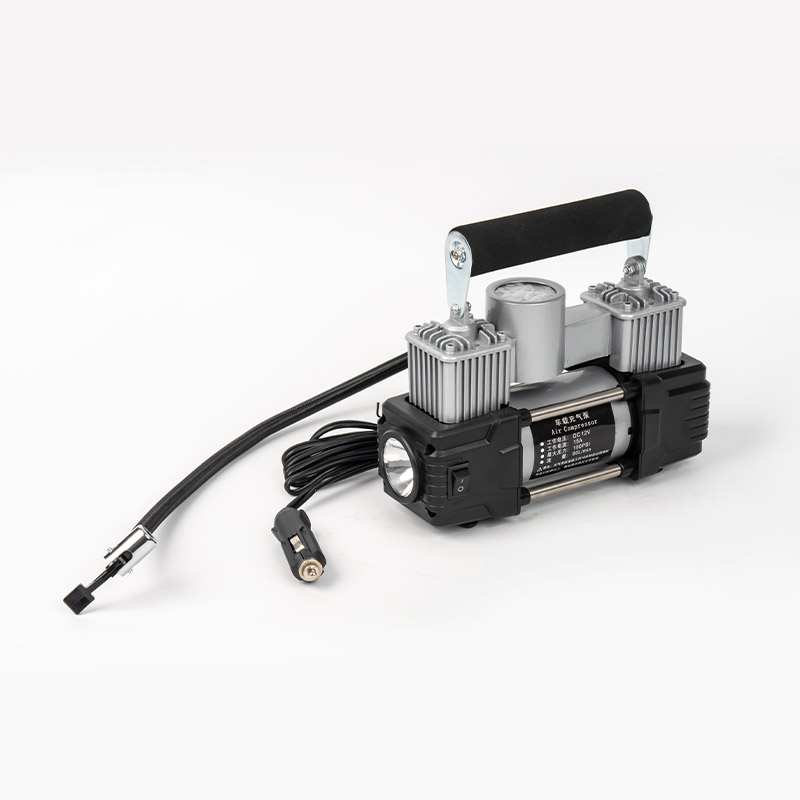
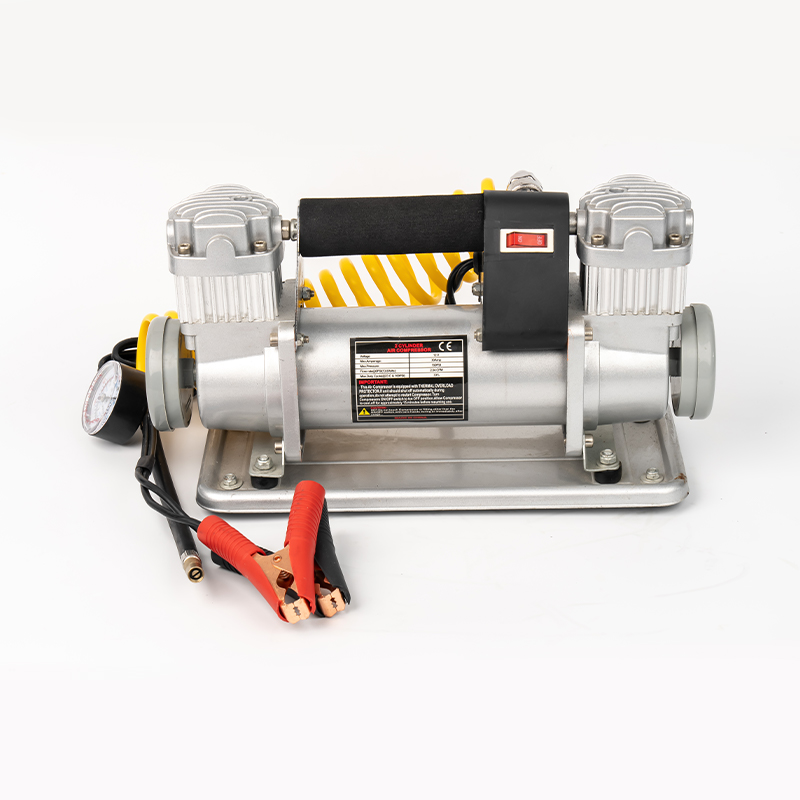
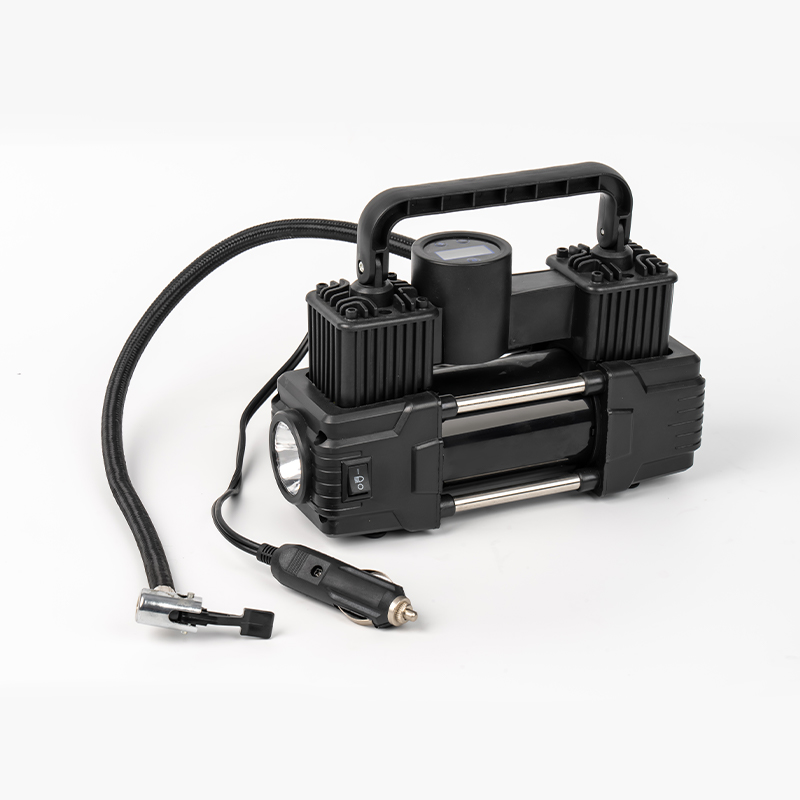
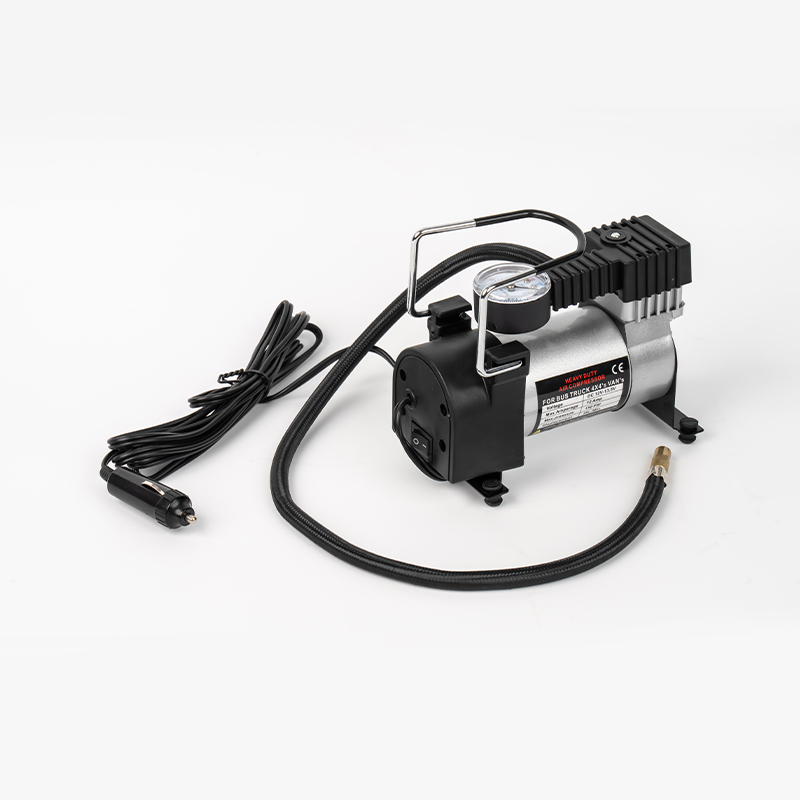
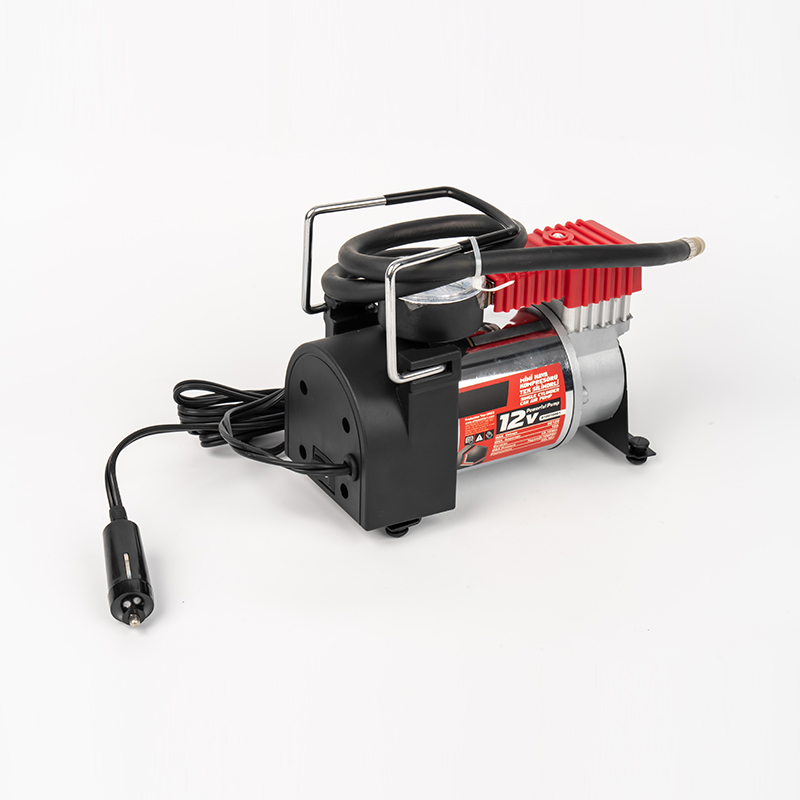
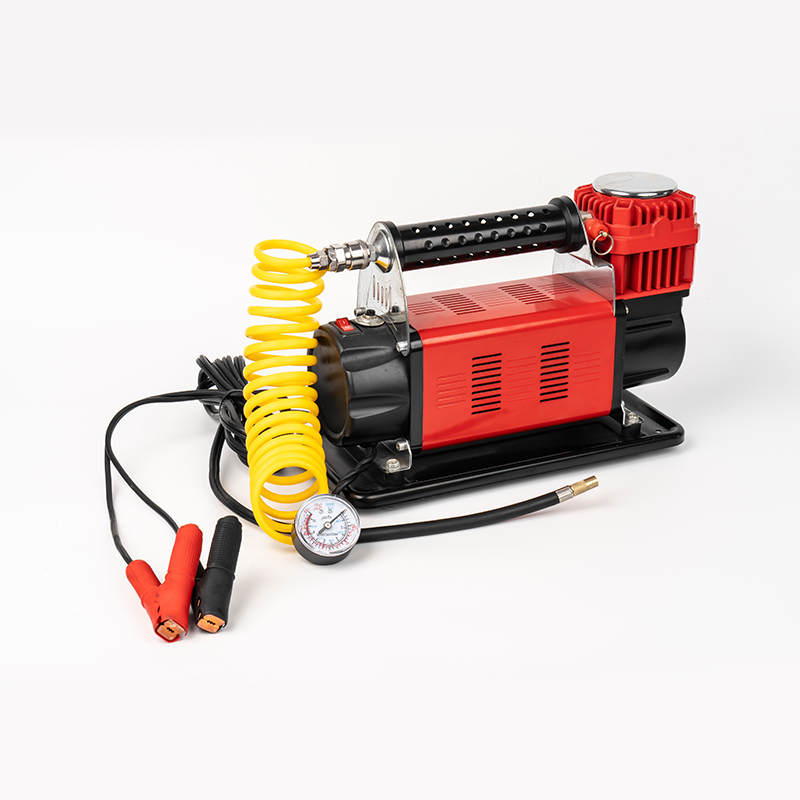
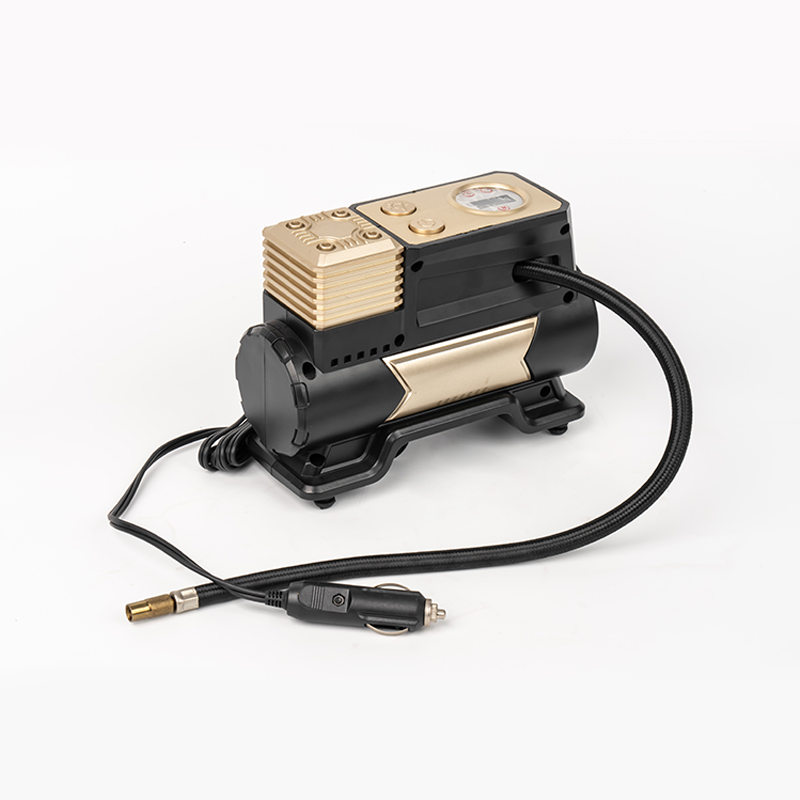
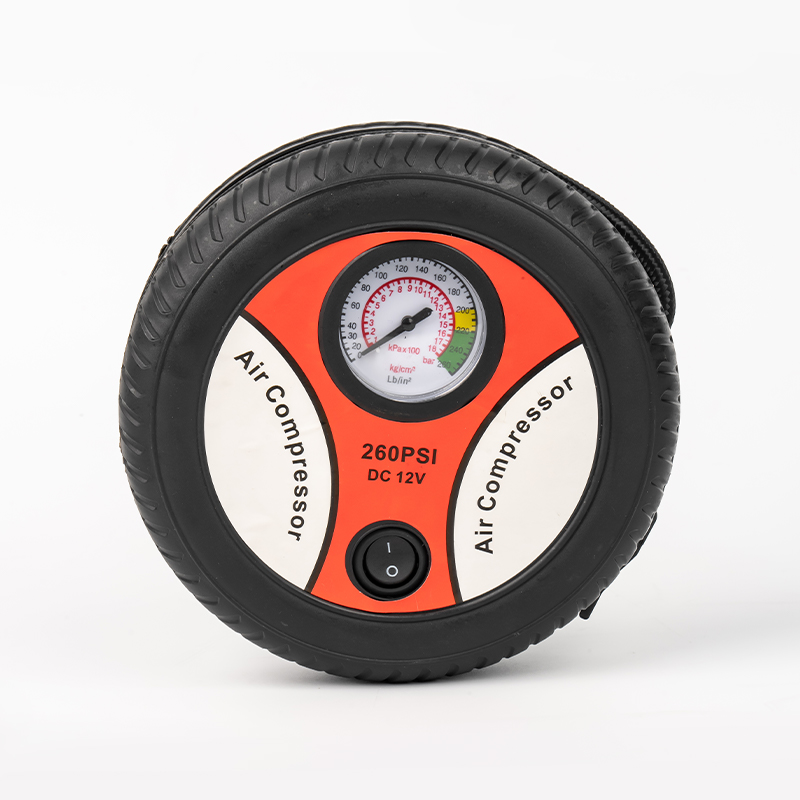
The Vehicle Air Compressor is an essential component for maintaining tire pressure, powering pneumatic tools, and ensuring the efficient functioning of vehicle systems like air brakes. Understanding its expected lifespan is crucial for vehicle owners, fleet managers, and automotive service providers. On average, a well-maintained vehicle air compressor can last between 5 to 10 years, but this can vary depending on type, usage, and maintenance practices.
Factors Influencing Vehicle Air Compressor Longevity
1. Type and Quality of Compressor
The lifespan of a Vehicle Air Compressor depends heavily on the type:
| Compressor Type |
Average Lifespan |
Notes |
| Piston (Reciprocating) Compressor |
5–8 years |
Simple design, durable, but higher wear with frequent use |
| Rotary Screw Compressor |
8–12 years |
Higher initial cost, more efficient, better for heavy-duty use |
| Portable Mini Compressors |
3–5 years |
Light-duty, more prone to overheating and wear |
2. Usage Frequency and Duration
Frequent or continuous use shortens the lifespan of a Vehicle Air Compressor. For example, compressors used in commercial trucks or construction vehicles face longer duty cycles compared to personal cars, which typically reduces service life.
3. Maintenance Practices
Proper maintenance extends durability significantly:
- Regular inspection of hoses and fittings for leaks
- Periodic replacement of air filters and oil (for oil-lubricated compressors)
- Cleaning of condensate tanks and moisture traps
- Proper shutdown procedures to avoid overheating
4. Operating Environment
Harsh conditions like high humidity, dust, or extreme temperatures can accelerate wear and tear. Compressors used in off-road vehicles or industrial settings may have a shorter operational lifespan if protective measures are not implemented.
Signs a Vehicle Air Compressor May Be Near End of Life
Monitoring performance can help anticipate replacement:
- Unusual noise or vibration during operation
- Longer time to reach target air pressure
- Frequent overheating or tripping of thermal protection
- Air leaks or reduced output efficiency
Maintenance Tips to Maximize Lifespan
Following these practices can significantly improve the service life of a Vehicle Air Compressor:
- Always follow manufacturer-recommended service intervals
- Use high-quality lubricants and replacement parts
- Monitor pressure and temperature during operation
- Store the vehicle in dry, dust-free environments when possible
- Perform regular system diagnostics for leaks and worn components
Cost vs. Lifespan Considerations
While higher-end compressors are more expensive initially, they often offer:
- Longer operational life (8–12 years)
- Lower energy consumption
- Reduced maintenance frequency and downtime
Budget-friendly compressors may seem attractive, but frequent repairs or replacement can lead to higher long-term costs.
Frequently Asked Questions (FAQs)
Q1: Can a vehicle air compressor last longer than 10 years?
Yes, with proper maintenance, high-quality rotary screw compressors may exceed 10 years, especially in moderate usage conditions.
Q2: How often should the air filter be replaced?
Typically every 6–12 months or after 500–1000 operating hours, depending on the environment and usage intensity.
Q3: Does using the compressor for pneumatic tools reduce lifespan?
Frequent tool operation can reduce lifespan if the compressor is not designed for continuous duty. Choosing the correct type for your application is critical.
Q4: How to prevent overheating in vehicle air compressors?
Ensure proper ventilation, avoid overloading the compressor, and maintain oil levels if it is oil-lubricated. Allow cool-down periods between extended operations.
Q5: When should I replace my vehicle air compressor?
Replace if it shows persistent reduced output, frequent overheating, unusual noise, or if repairs become costlier than replacement.
Conclusion
Understanding the expected lifespan of a Vehicle Air Compressor helps in planning maintenance schedules, selecting the right compressor type, and preventing unexpected breakdowns. Regular inspection, proper usage, and high-quality components can extend service life, while harsh environments and overuse accelerate wear. Investing in durable, well-designed compressors ultimately saves time, cost, and ensures reliable vehicle performance.

 English
 Español
 عربى
عربى Türk
Türk