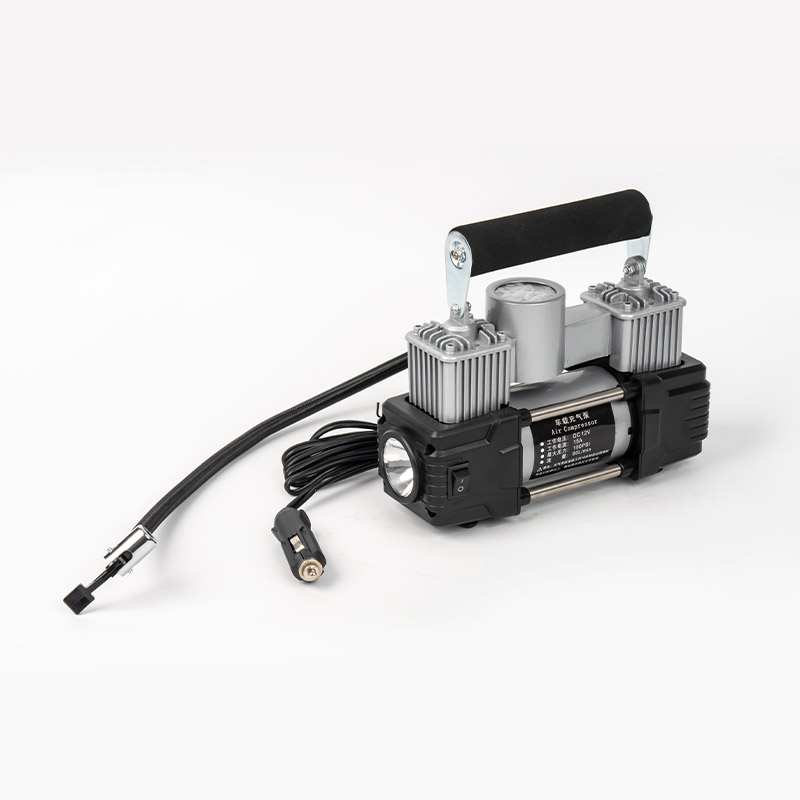
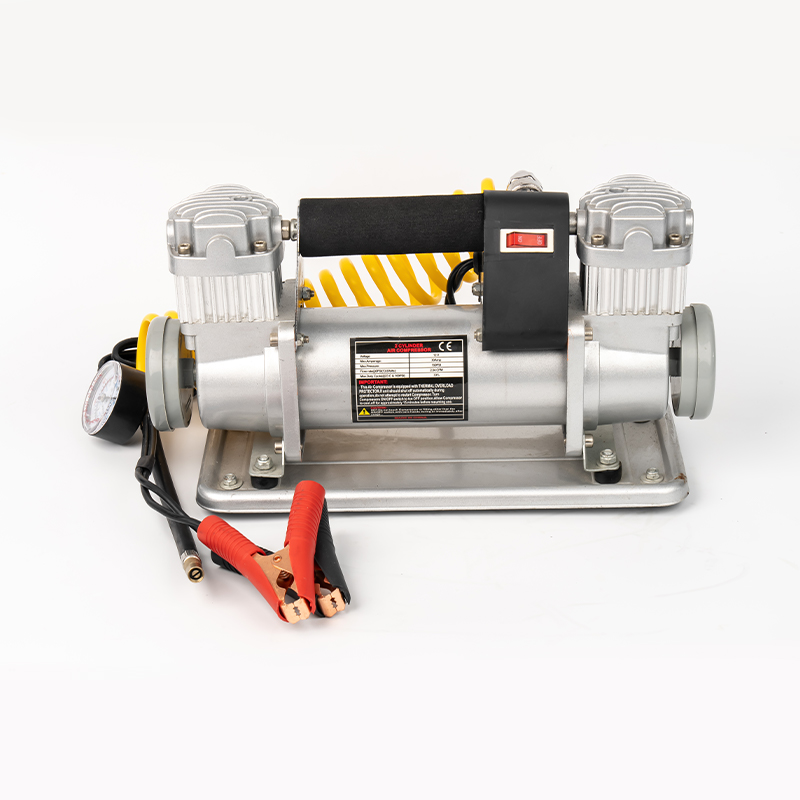
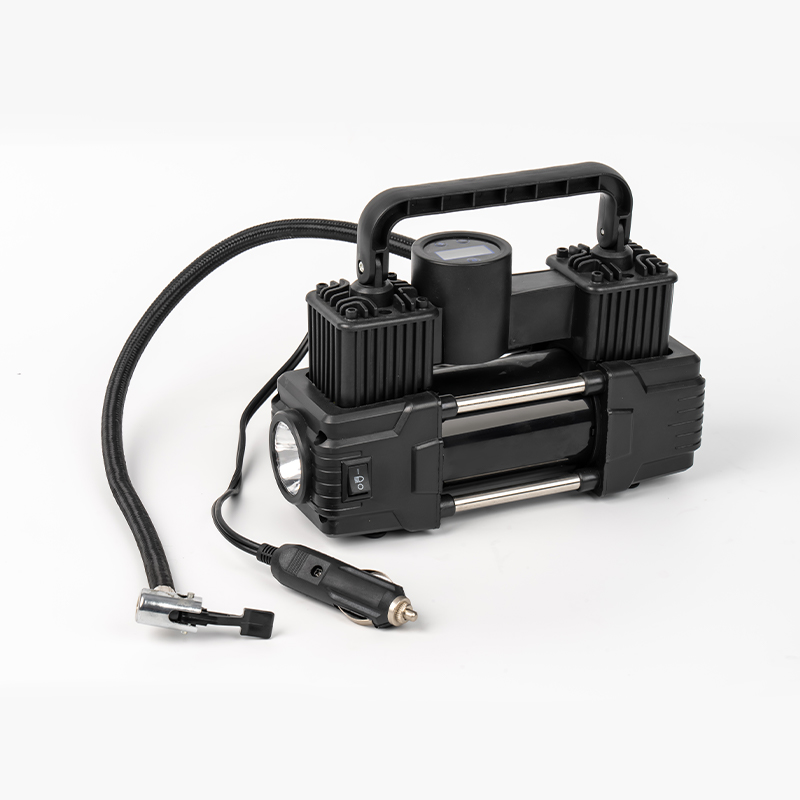
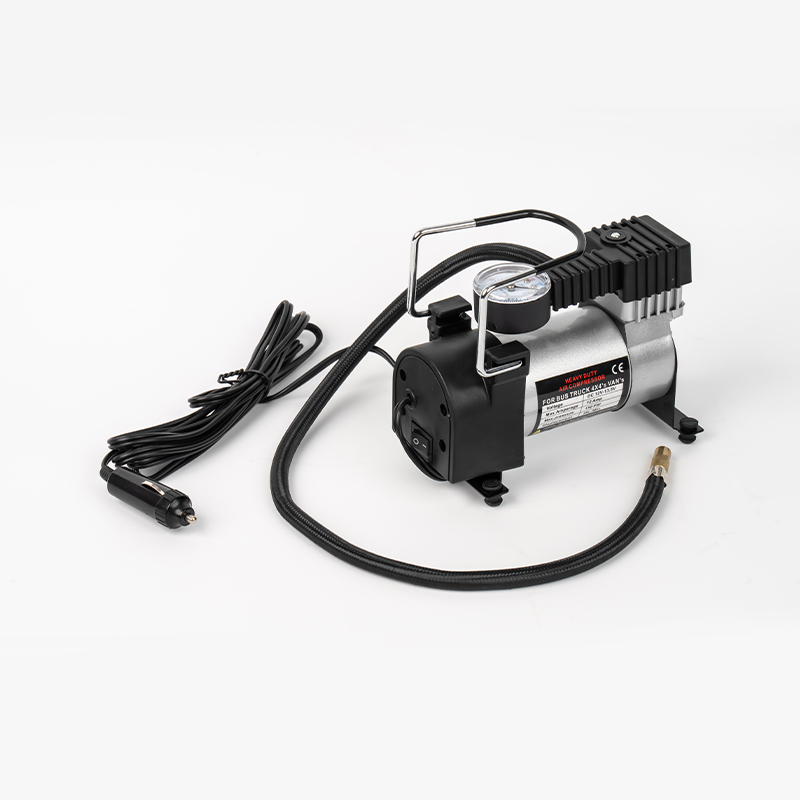
A vehicle air compressor is one of the most hardworking components in any car, truck, or heavy-duty vehicle. Whether it powers the air conditioning system, air brakes, or pneumatic tools, keeping it in top condition directly impacts vehicle performance, safety, and longevity. Neglecting routine maintenance can lead to premature failure, costly repairs, and even safety hazards on the road.
Understanding what it takes to properly care for your vehicle air compressor can save you time and money in the long run. Below are the most important maintenance practices every vehicle owner and fleet manager should follow.
1. Perform Regular Visual Inspections
Routine visual checks are the first line of defense for any vehicle air compressor maintenance plan. Before and after trips — especially for commercial vehicles — take a moment to look for:
- Oil or fluid leaks around the compressor housing and fittings
- Cracks or wear on belts, hoses, and mounting brackets
- Unusual corrosion on metal components or electrical connectors
- Loose bolts or fasteners that may cause vibration damage
Catching small issues early prevents them from escalating into expensive compressor failures.
2. Change the Oil and Filters on Schedule
Just like an engine, a vehicle air compressor that uses lubricated components needs regular oil changes to function efficiently. Dirty or degraded oil increases internal friction, generates excess heat, and accelerates wear on moving parts.
Key Oil & Filter Maintenance Steps:
- Check the compressor oil level at every scheduled service interval
- Replace oil according to the manufacturer's recommended mileage or time interval
- Use only the oil grade specified in the owner's manual
- Replace the oil separator filter and air intake filter at the same time as the oil
Clogged or dirty filters force the compressor to work harder, reducing efficiency and increasing the risk of overheating.
3. Drain the Moisture from Air Tanks Regularly
Moisture accumulation is one of the most common — and damaging — problems for a vehicle air compressor system. As compressed air cools, water vapor condenses inside air tanks and lines. If not drained, this moisture causes:
- Internal corrosion of tanks and metal components
- Freezing in cold climates, which can block valves and brake systems
- Contaminated air supply that damages downstream equipment
Drain air tanks manually at the end of each day in high-humidity conditions, or install an automatic drain valve for convenience. Also inspect and replace air dryer desiccant cartridges as recommended.
4. Follow a Structured Maintenance Schedule
Establishing a clear maintenance timeline ensures no critical task is overlooked. The table below outlines a recommended maintenance schedule for a typical vehicle air compressor:
| Maintenance Task |
Frequency |
Notes |
| Visual inspection |
Daily / Before each trip |
Check for leaks, belt wear, loose parts |
| Air tank drain |
Daily (or automated) |
Critical in humid or cold weather |
| Air intake filter check |
Every 3 months or 10,000 miles |
Replace if dirty or clogged |
| Oil & oil filter change |
Per manufacturer spec |
Typically every 6 months or 1,000 hrs |
| Belt & hose inspection |
Every 6 months |
Replace at first sign of cracking or fraying |
| Air dryer cartridge replacement |
Annually |
More often in high-humidity regions |
| Full professional service |
Annually or every 2 years |
Includes pressure testing and valve checks |
5. Inspect and Maintain Belts and Drive Components
Many vehicle air compressors are driven by a belt connected to the engine. A worn, cracked, or loose drive belt can slip or snap — leaving you without compressed air at the worst possible moment.
Belt Maintenance Checklist:
- Check belt tension — both too tight and too loose causes premature wear
- Look for glazing, cracking, or fraying on the belt surface
- Inspect the pulley alignment; misalignment causes uneven wear and noise
- Replace belts in pairs when one shows wear, to avoid imbalanced load
6. Monitor Operating Temperature and Pressure
Overheating is a silent killer of vehicle air compressors. Sustained high temperatures degrade seals, thin out lubricating oil, and cause thermal stress on metal components. Similarly, operating outside the designed pressure range can lead to seal blowouts or valve damage.
Temperature & Pressure Monitoring Tips:
- Install a temperature gauge or rely on dashboard warning indicators
- Never run the compressor above the manufacturer's maximum pressure rating
- Ensure the cooling system (if applicable) is functioning properly
- Investigate abnormal pressure drops — they often signal a leak or valve failure
7. Listen for Unusual Noises and Vibrations
Your ears are a powerful diagnostic tool. A healthy vehicle air compressor runs with a consistent, smooth sound. Changes in acoustics often precede mechanical failure.
| Sound / Symptom |
Likely Cause |
Recommended Action |
| Knocking or rattling |
Loose mounting, worn bearings |
Inspect and tighten; replace bearings |
| Squealing |
Belt slipping or misaligned |
Adjust tension or replace belt |
| Hissing |
Air leak in lines or valves |
Locate and seal the leak immediately |
| Excessive vibration |
Imbalanced pulley or mounting |
Check alignment and mounting bolts |
8. Keep the Compressor and Surrounding Area Clean
Dirt, dust, and grime accumulation around the vehicle air compressor can restrict airflow, trap heat, and cause accelerated corrosion. Regular cleaning is a simple but effective maintenance step.
- Wipe down the compressor housing with a dry or lightly damp cloth
- Clear debris from intake vents and cooling fins
- Avoid using high-pressure water spray directly on electrical components
- Keep the surrounding engine bay clean to minimize contamination
9. Use Genuine Replacement Parts
When parts wear out, always opt for OEM (Original Equipment Manufacturer) or high-quality aftermarket replacements that meet your vehicle's specifications. Using substandard parts in a vehicle air compressor can cause:
- Premature failure of new components due to dimensional mismatches
- Voided warranties on newer vehicles
- Safety risks from under-rated pressure components
10. Schedule Professional Servicing Annually
While many maintenance tasks can be performed by vehicle owners or fleet mechanics, an annual professional inspection of the vehicle air compressor ensures nothing is missed. A qualified technician will:
- Conduct a pressure output test to verify performance specifications
- Inspect internal valves, pistons, and seals for wear
- Test the governor and safety relief valve
- Check for carbon buildup in discharge lines
- Verify electrical connections for corrosion or loose contacts
Final Thoughts
Maintaining a vehicle air compressor is not complicated, but it does require consistency and attention to detail. By following a structured maintenance routine — regular inspections, timely oil changes, moisture drainage, belt care, and professional servicing — you can significantly extend the service life of your compressor, avoid unexpected breakdowns, and maintain the safety standards your vehicle demands.
Whether you manage a single car or an entire commercial fleet, investing time in vehicle air compressor maintenance today is always more cost-effective than dealing with compressor failure on the road tomorrow.

 English
 Español
 عربى
عربى Türk
Türk