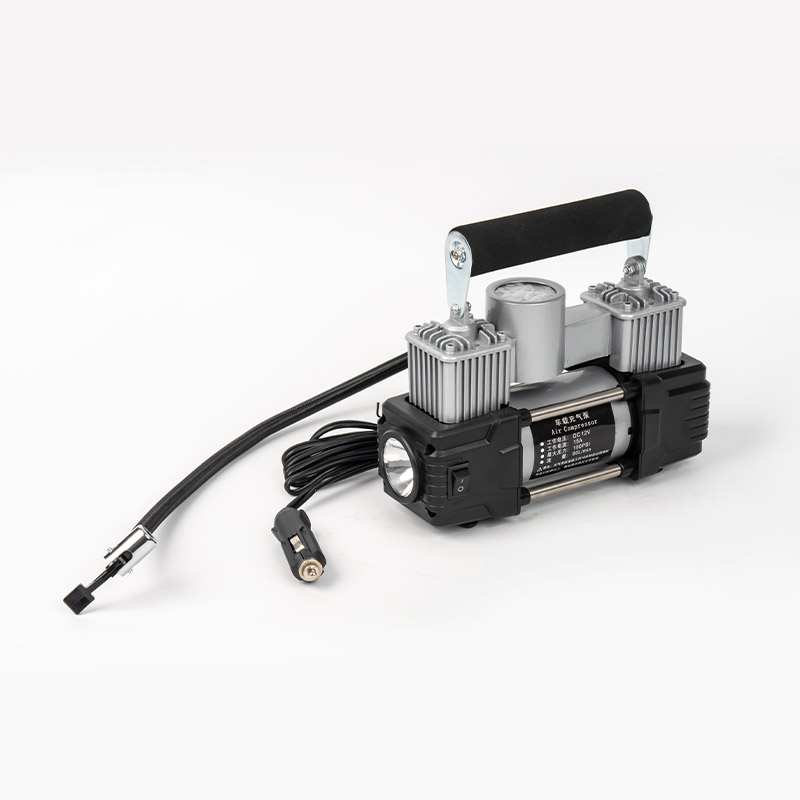
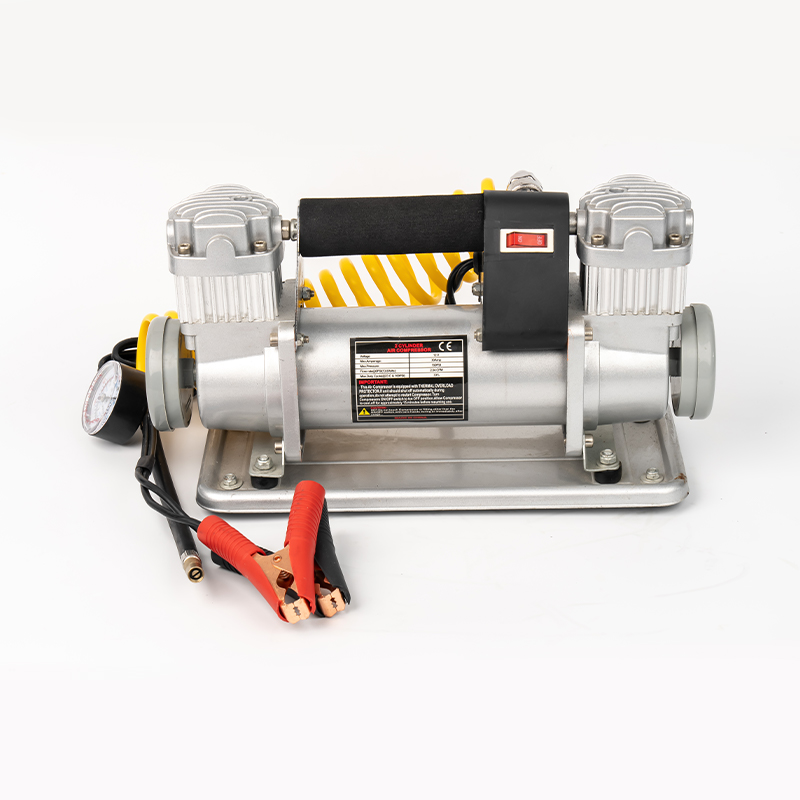
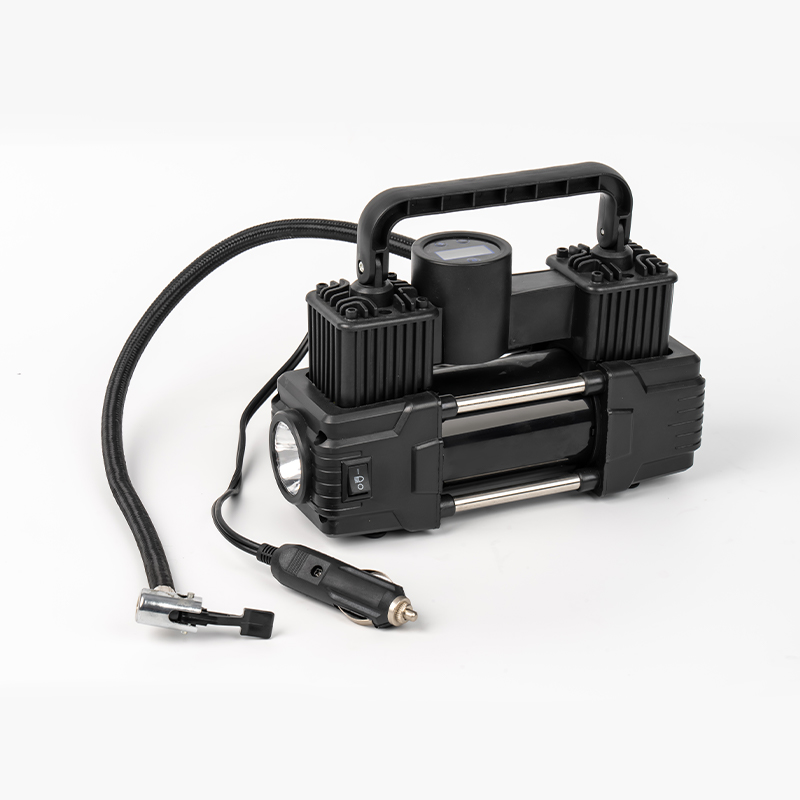
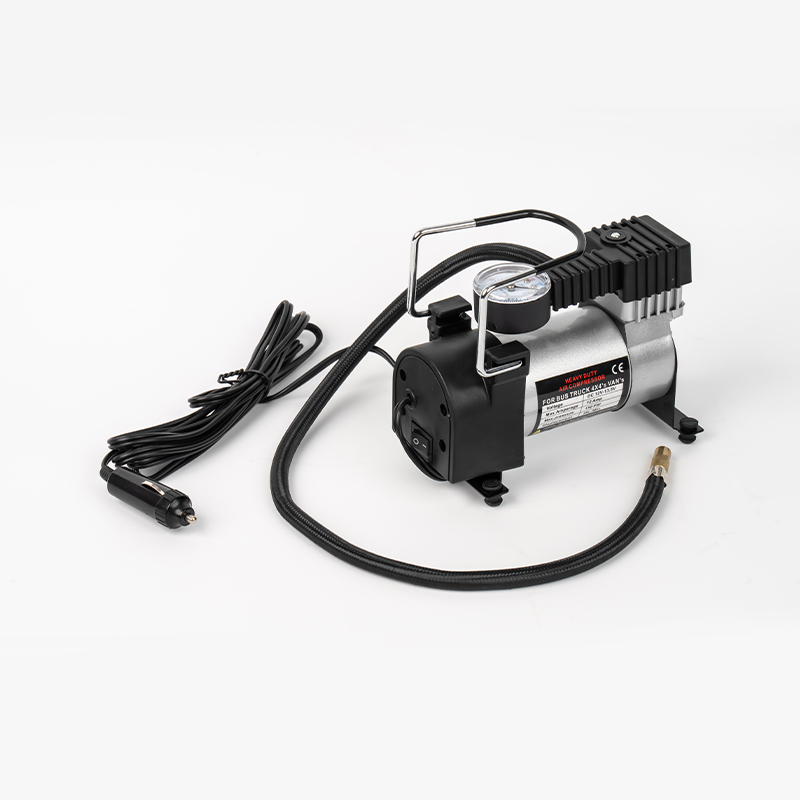
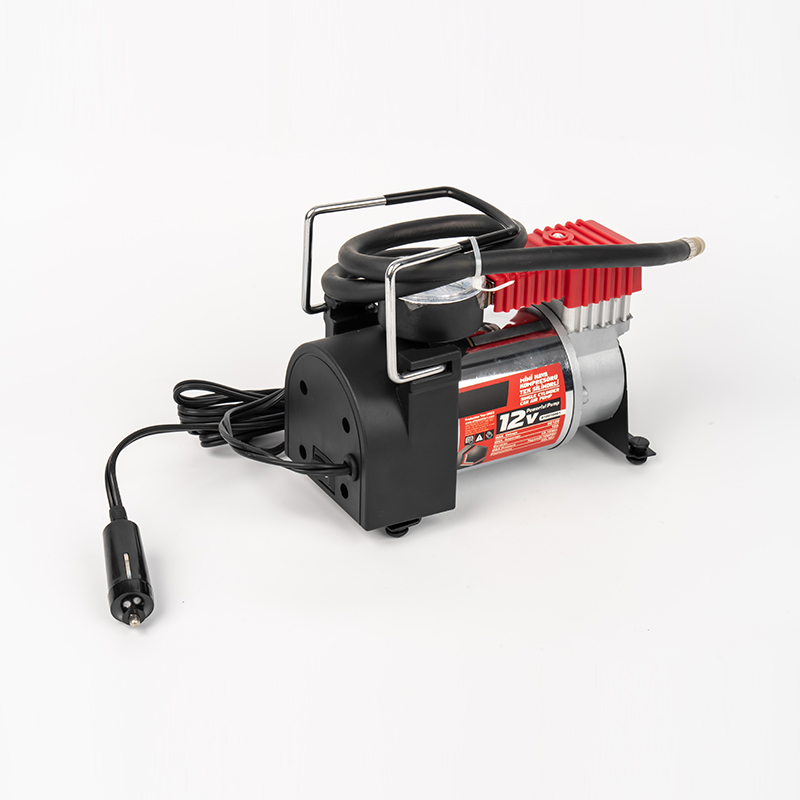
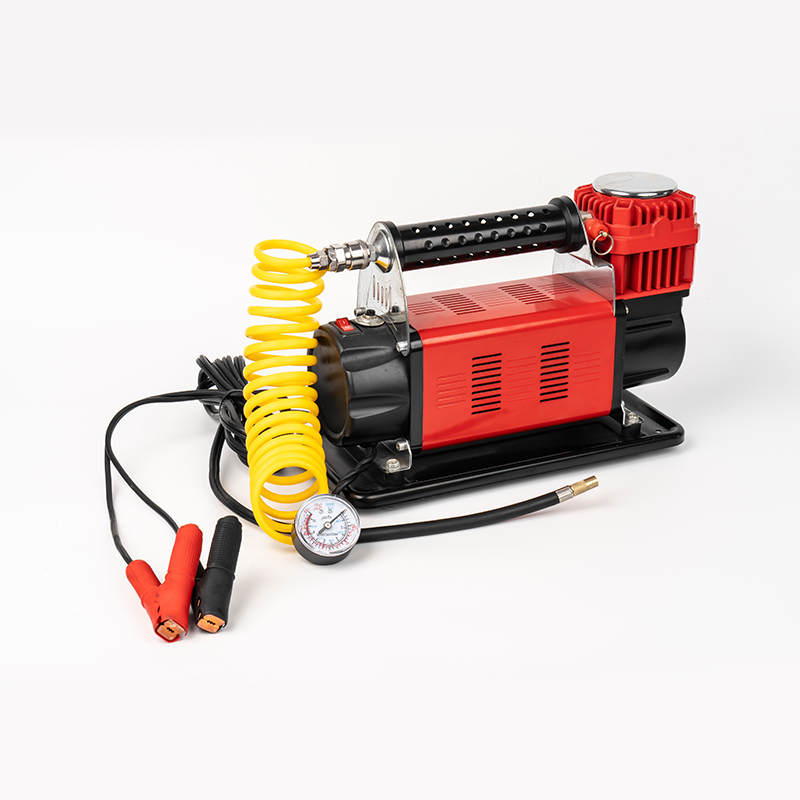
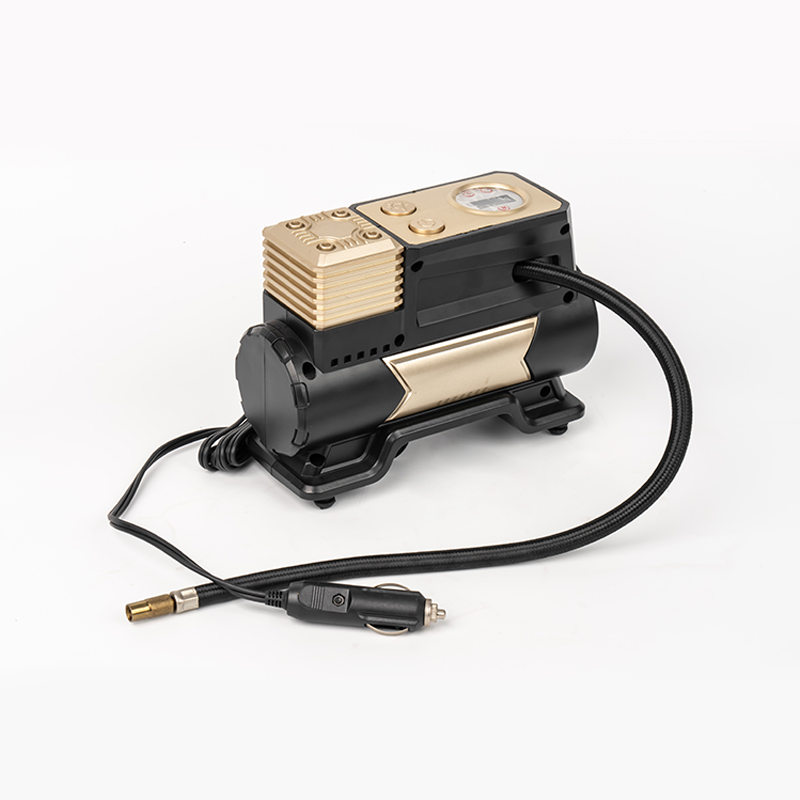
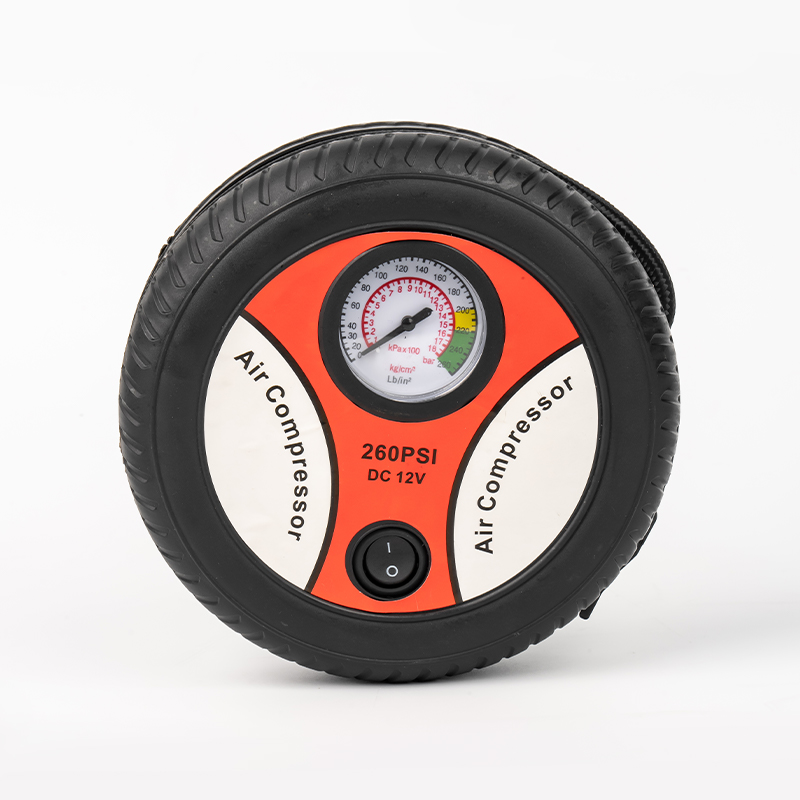
Vehicle air compressors play a crucial role in powering various systems in vehicles, from air brakes to suspension systems and pneumatic tools. With an array of options available in the market, choosing the right vehicle air compressor is vital for ensuring efficiency and reliability.
Types of Vehicle Air Compressors
When selecting a vehicle air compressor, it’s important to consider the type that best fits your vehicle’s needs. There are several types available, each with unique features and applications. Below, we discuss the most common types of vehicle air compressors:
1. Piston Air Compressors
Piston air compressors, also known as reciprocating air compressors, are widely used in vehicles for various applications, including air brakes, pneumatic tools, and suspension systems. These compressors operate through the movement of pistons within cylinders, compressing air as the pistons move up and down.
- Advantages: High pressure output, reliability, and ease of maintenance.
- Disadvantages: Relatively bulky, noisy operation, and less energy-efficient compared to other types.
2. Rotary Screw Compressors
Rotary screw compressors are commonly found in commercial vehicles and heavy-duty applications. These compressors use two interlocking screws to compress air continuously. The design makes them more efficient and quieter than piston compressors.
- Advantages: More energy-efficient, quieter, and capable of delivering a constant airflow.
- Disadvantages: Higher initial cost and more complex maintenance.
3. Scroll Compressors
Scroll compressors are gaining popularity in the automotive industry due to their smooth operation and compact size. They use two spiral-shaped scrolls to compress air in a continuous manner, making them more efficient and quieter than traditional piston compressors.
- Advantages: Quiet operation, compact design, and energy efficiency.
- Disadvantages: Typically used for lighter-duty applications and may not handle the high pressures of larger vehicles.
4. Diaphragm Compressors
Diaphragm compressors are less common in vehicles but are still used in some specialized applications, such as medical vehicles or vehicles requiring clean and oil-free compressed air. These compressors operate with a flexible diaphragm that moves up and down to compress the air.
- Advantages: Oil-free air, compact, and reliable for sensitive applications.
- Disadvantages: Limited capacity, lower efficiency compared to other types.
Choosing the Right Vehicle Air Compressor
When deciding on the right air compressor for your vehicle, consider the following factors:
- Application: What will the compressor be used for? Air brakes, tools, suspension, or other purposes.
- Size and Space: Some compressors are bulkier than others, so choose one that fits within your vehicle’s available space.
- Efficiency: Look for compressors with high energy efficiency to reduce operational costs.
- Maintenance Needs: Some compressors require more maintenance than others, so choose one that fits your maintenance capabilities.
FAQ About Vehicle Air Compressors
Q: What is the difference between a piston and rotary screw compressor?
A: Piston compressors are simple, reliable, and suitable for high-pressure needs, but they are noisier and less energy-efficient. In contrast, rotary screw compressors offer continuous airflow, are quieter, and are more energy-efficient, though they tend to have a higher upfront cost.
Q: Can I use any air compressor for my vehicle's air brakes?
A: Not all compressors are suitable for air brake systems. For vehicles with air brakes, a high-pressure piston air compressor or rotary screw compressor is usually recommended for optimal performance and reliability.
Q: How often should I service my vehicle's air compressor?
A: Maintenance schedules vary depending on the compressor type and vehicle usage. Generally, it's advisable to perform regular checks on air filters, lubricants, and connections every 6 to 12 months. Always refer to the manufacturer's guidelines for specific maintenance instructions.
Q: Are there any eco-friendly options for vehicle air compressors?
A: Some newer models of rotary screw and scroll compressors are designed with energy efficiency in mind, reducing carbon footprints. Choosing an energy-efficient compressor can help lower emissions and reduce fuel consumption.
Vehicle air compressors are essential components that help power critical systems in vehicles. By understanding the different types available and how they function, vehicle owners and professionals can make informed decisions on which compressor best suits their needs. Whether you’re looking for high pressure, energy efficiency, or quiet operation, there is a vehicle air compressor that meets your requirements.

 English
 Español
 عربى
عربى Türk
Türk