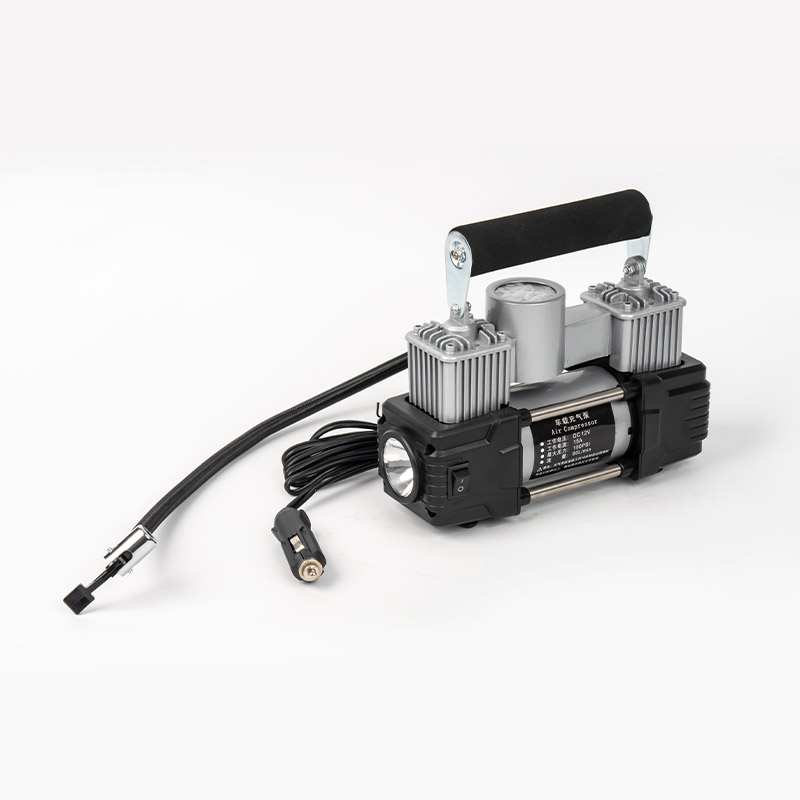
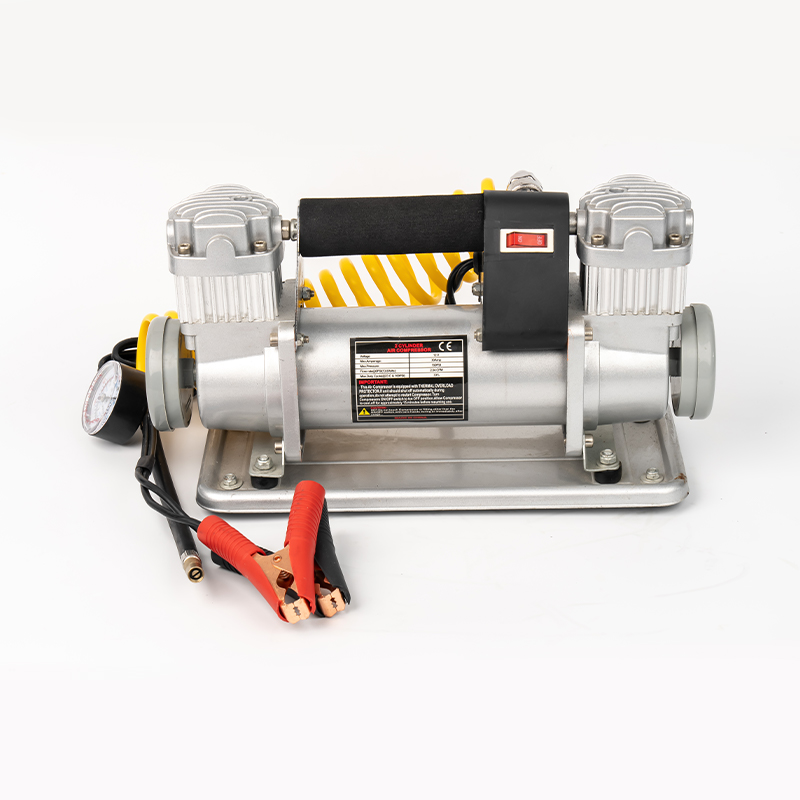
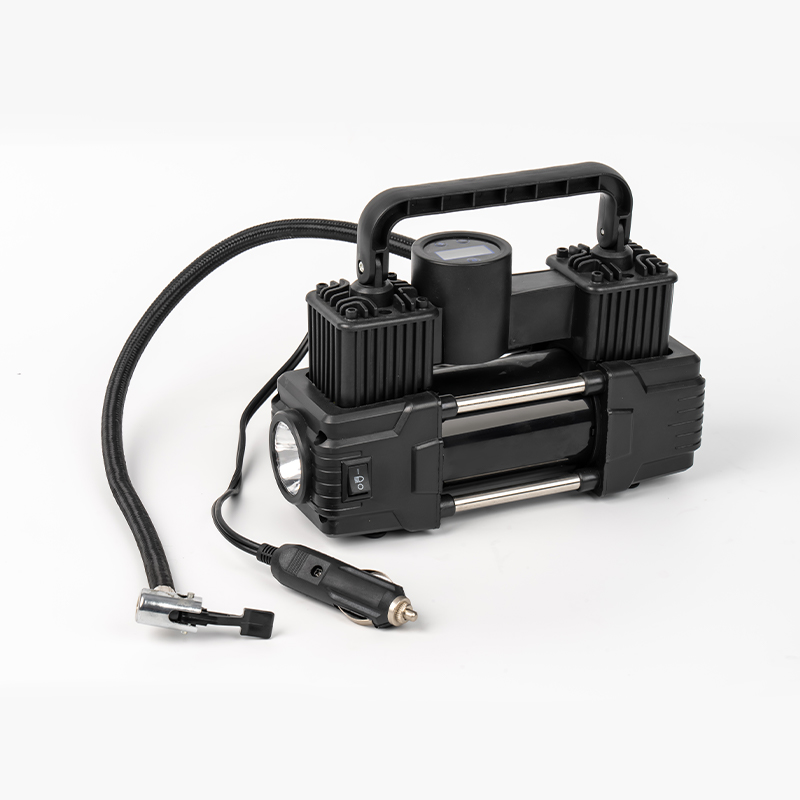
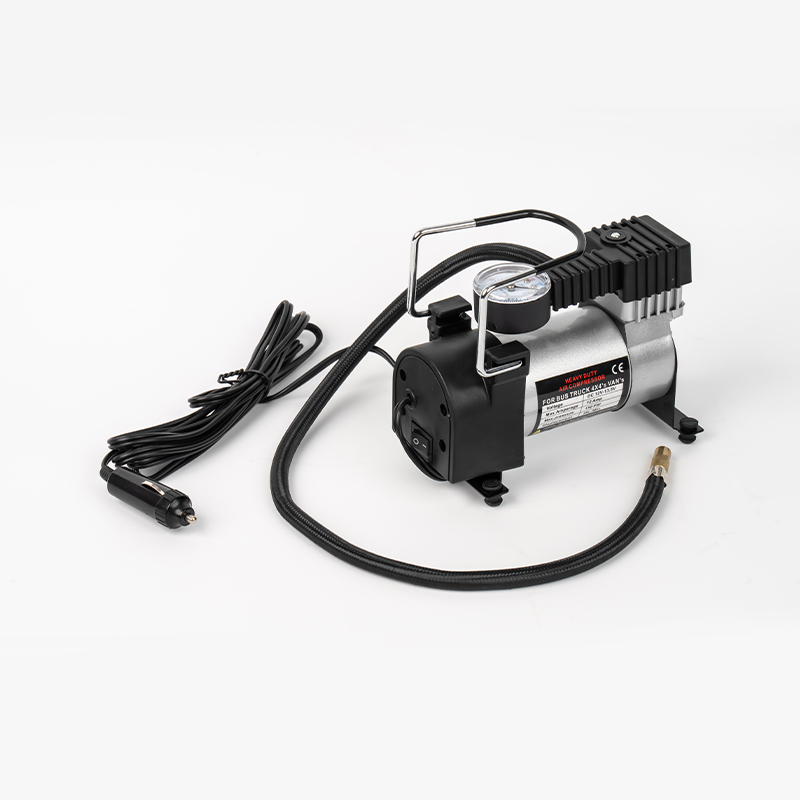
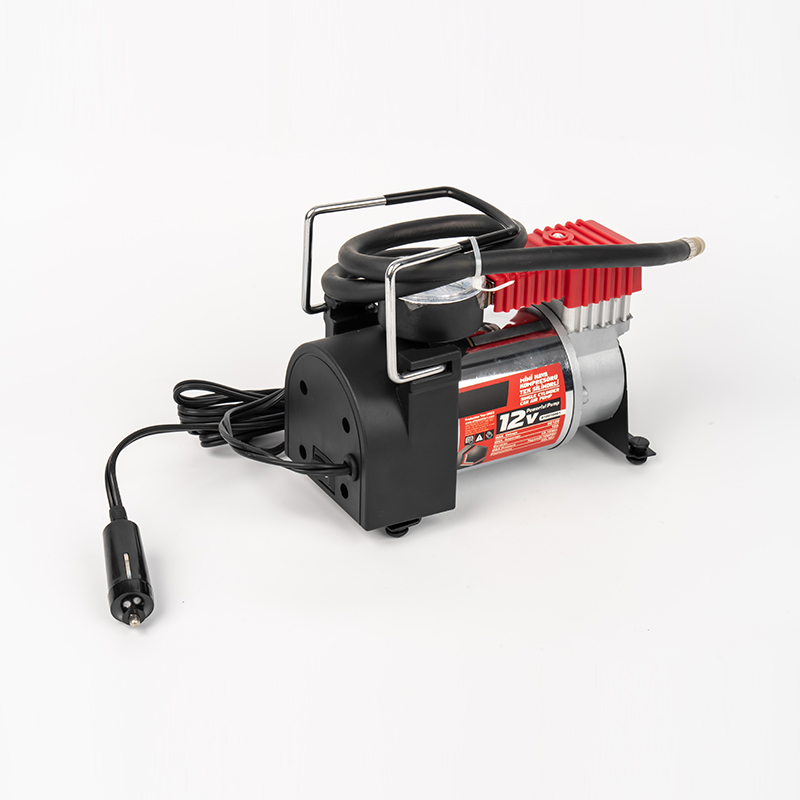
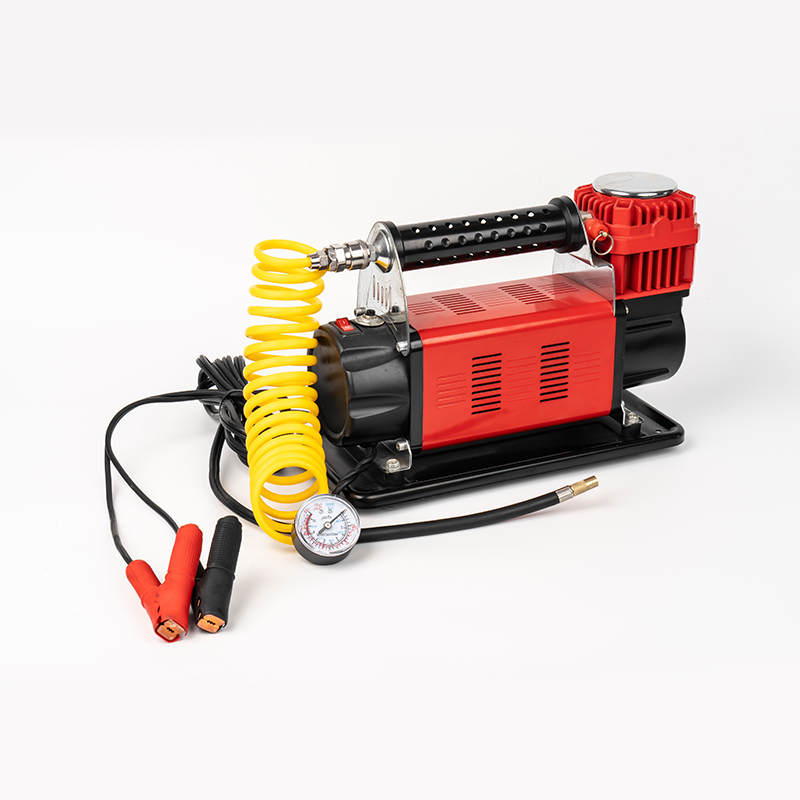
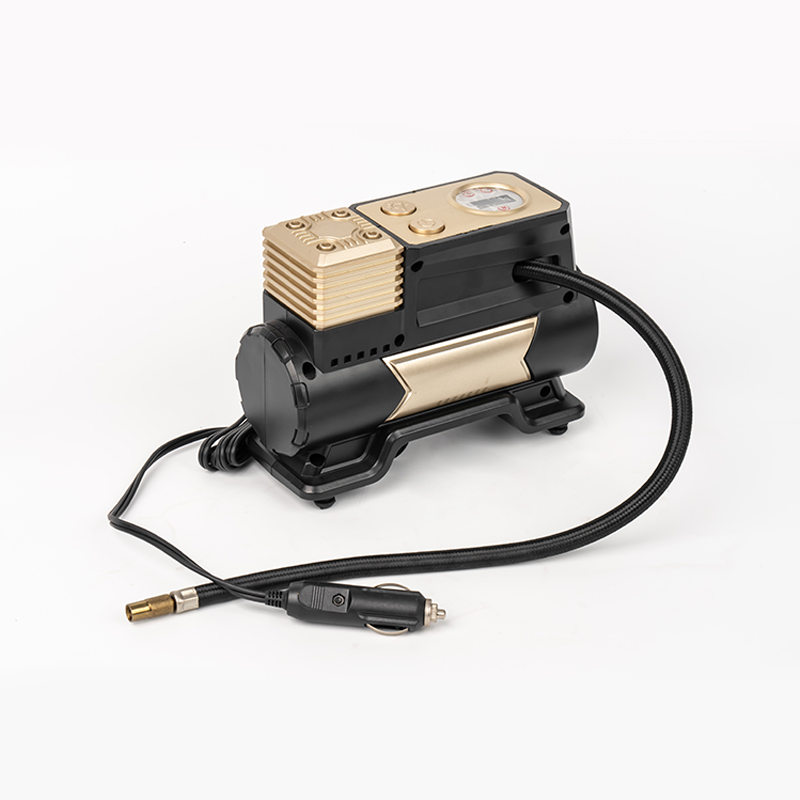
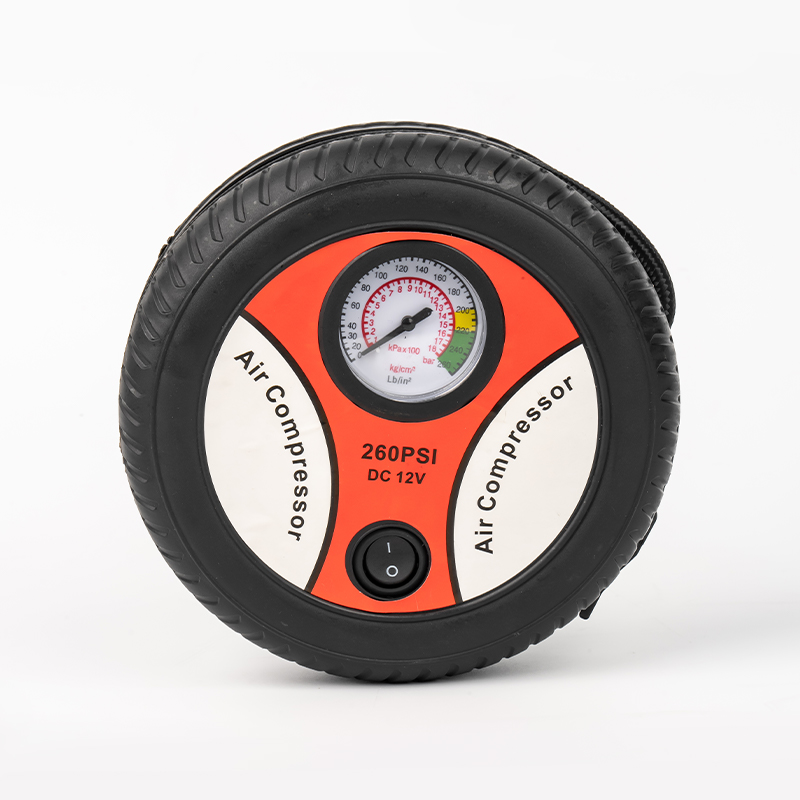
A Vehicle Air Compressor is an essential tool for many drivers, especially for off-road enthusiasts, commercial drivers, and anyone needing reliable air pressure for tires, air tools, or emergency situations. While performance and efficiency are critical, safety remains the most crucial aspect when selecting a vehicle air compressor. Without the proper safety features, even high-quality compressors can pose significant risks, including over-pressurization, overheating, or mechanical failure.
Key Safety Features Every Vehicle Air Compressor Should Have
1. Automatic Shut-Off
An automatic shut-off feature prevents over-pressurization by stopping the compressor once it reaches a predetermined pressure. This ensures the tires or air tools do not exceed safe limits, protecting both the equipment and the user.
2. Thermal Overload Protection
Continuous operation can cause a Vehicle Air Compressor to overheat. Thermal overload protection automatically shuts down the compressor if it becomes too hot, reducing the risk of fire, component damage, or injury.
3. Pressure Relief Valve
A pressure relief valve acts as a secondary safety mechanism. In the unlikely event that the automatic shut-off fails, this valve releases excess air pressure to prevent explosion or rupture. High-quality compressors often feature adjustable relief valves to accommodate different operating requirements.
4. Durable and Insulated Housing
Compressors generate heat during operation. Insulated and reinforced housing protects users from accidental burns and increases overall durability, ensuring safe handling even during extended use.
5. Non-Return Valves
Non-return valves prevent air from flowing back into the compressor tank once it is pressurized. This not only maintains consistent pressure but also prevents mechanical damage that could lead to accidents.
6. Low-Voltage Protection for Electrical Models
Many vehicle air compressors are powered by 12V or 24V vehicle batteries. Low-voltage protection prevents the compressor from draining the battery below a safe level, avoiding potential vehicle starting problems or electrical hazards.
7. Anti-Vibration and Noise Reduction Features
While not always considered “safety” in the strictest sense, vibration reduction and noise dampening improve operational safety by minimizing user fatigue and reducing the chance of accidental slips or mishandling during prolonged use.
Comparing Safety Features Across Different Types of Vehicle Air Compressors
Vehicle air compressors are available in various designs, including portable, twin-cylinder, and heavy-duty industrial models. Safety features may vary depending on the type and price range.
Portable Compressors
- Typically lighter and easier to store.
- Essential safety features include automatic shut-off, thermal protection, and pressure relief valves.
- May lack advanced features like low-voltage protection or anti-vibration mounts found in larger units.
Twin-Cylinder and Heavy-Duty Compressors
- Designed for continuous or high-volume operation.
- Advanced safety features include dual pressure relief valves, low-voltage protection, and reinforced insulated housings.
- Better suited for professional applications where overheating or over-pressurization risks are higher.
Additional Considerations for Safe Operation
Even with all the necessary built-in safety features, safe operation depends on the user understanding proper usage and maintenance. Consider the following practices:
- Always check the maximum pressure rating of your compressor before use.
- Inspect hoses, fittings, and tanks regularly for signs of wear or damage.
- Operate the compressor on a flat, stable surface to prevent tipping or rolling.
- Allow the compressor to cool down between prolonged operations to avoid overheating.
- Follow manufacturer guidelines for voltage requirements to prevent electrical hazards.
Common FAQs About Vehicle Air Compressor Safety
Q1: Can a vehicle air compressor explode if it overheats?
Yes, if a compressor lacks thermal protection or a pressure relief valve, excessive heat or pressure can lead to tank rupture. Modern compressors are designed with safety mechanisms to prevent this risk.
Q2: How often should safety features be checked?
Safety features like pressure relief valves, thermal cut-offs, and automatic shut-off systems should be checked every 3–6 months, or before extended use, to ensure they function correctly.
Q3: Is it safer to choose a more expensive compressor?
While price often correlates with additional safety features, always check the specifications. Even budget compressors can include essential safety mechanisms, but higher-end models typically offer more robust protections.
Q4: Can I modify a vehicle air compressor for higher pressure?
Modifying a compressor to exceed its rated pressure is extremely dangerous. It can bypass built-in safety features, leading to potential tank explosion, injury, or vehicle damage.
Q5: Are there certifications to ensure safety?
Yes. Look for compressors with CE, UL, or ISO certification. These certifications indicate compliance with international safety standards and quality manufacturing processes.
Choosing a Vehicle Air Compressor involves more than just looking at PSI ratings or airflow capacity. Safety features such as automatic shut-off, thermal overload protection, pressure relief valves, and low-voltage protection are critical for ensuring safe and reliable operation. Evaluating these features carefully can prevent accidents, extend the life of your compressor, and provide peace of mind during both everyday and emergency use. Understanding the differences across compressor types and implementing proper maintenance practices enhances safety even further, making your vehicle air compressor a dependable tool wherever your journeys take you.

 English
 Español
 عربى
عربى Türk
Türk