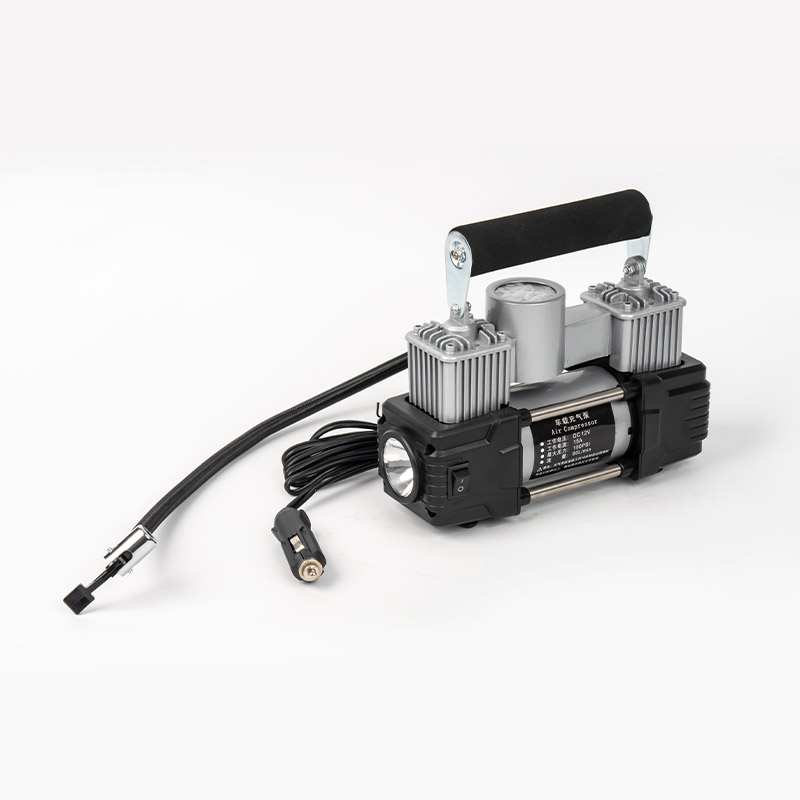
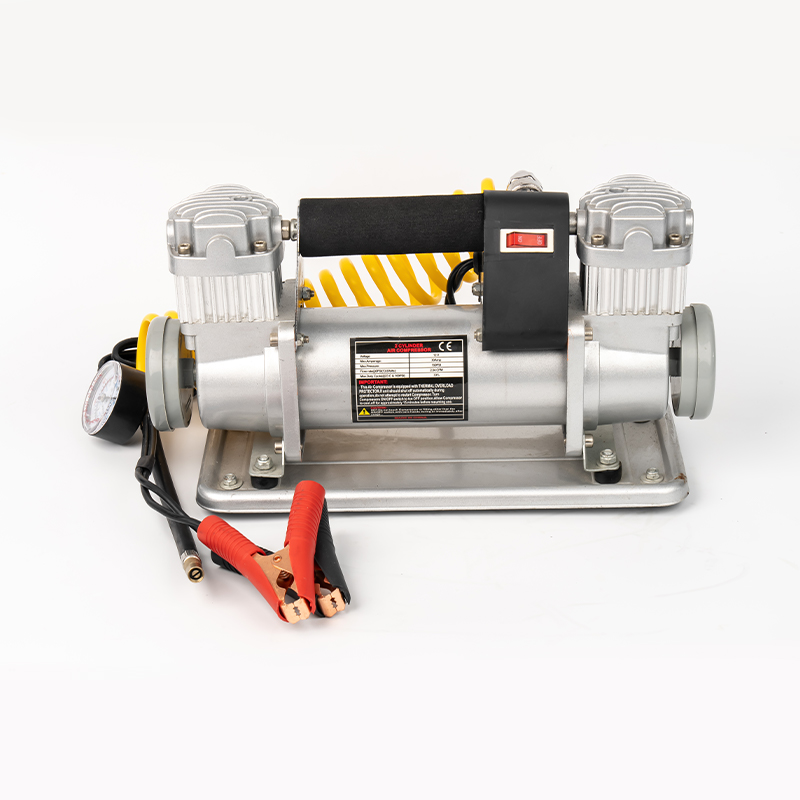
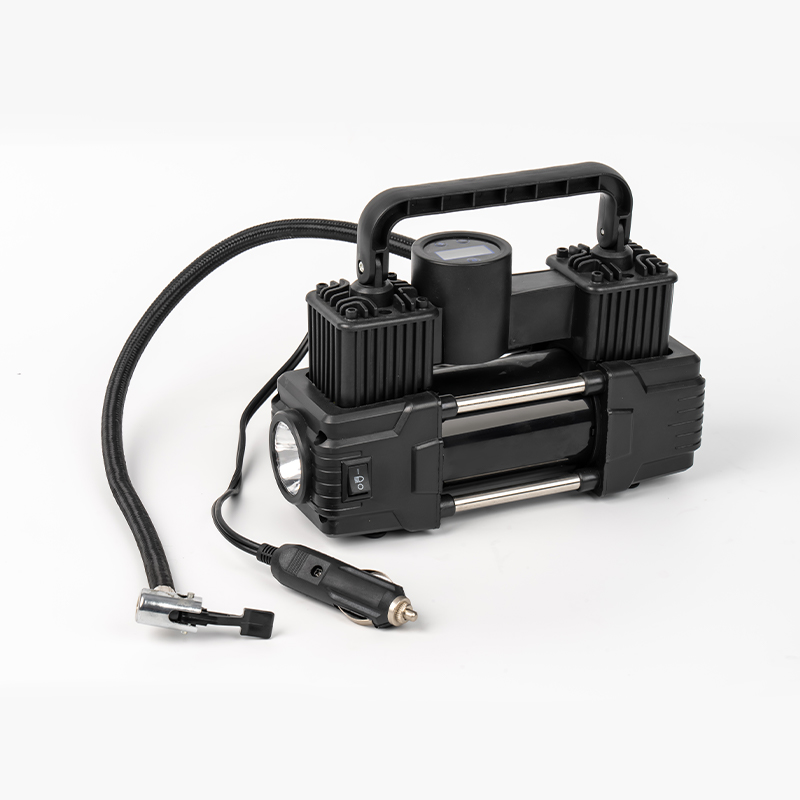
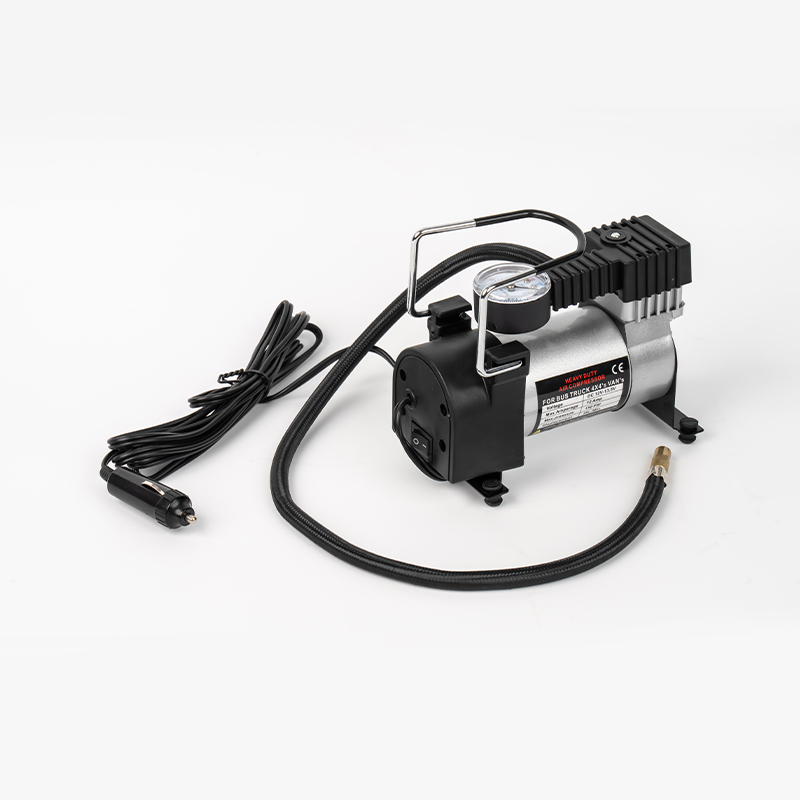
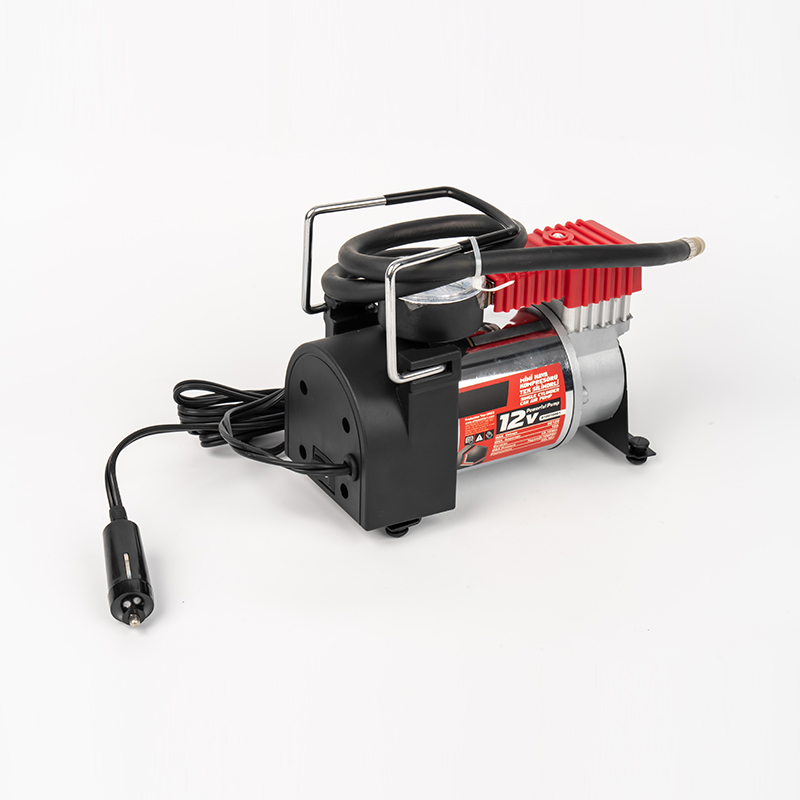
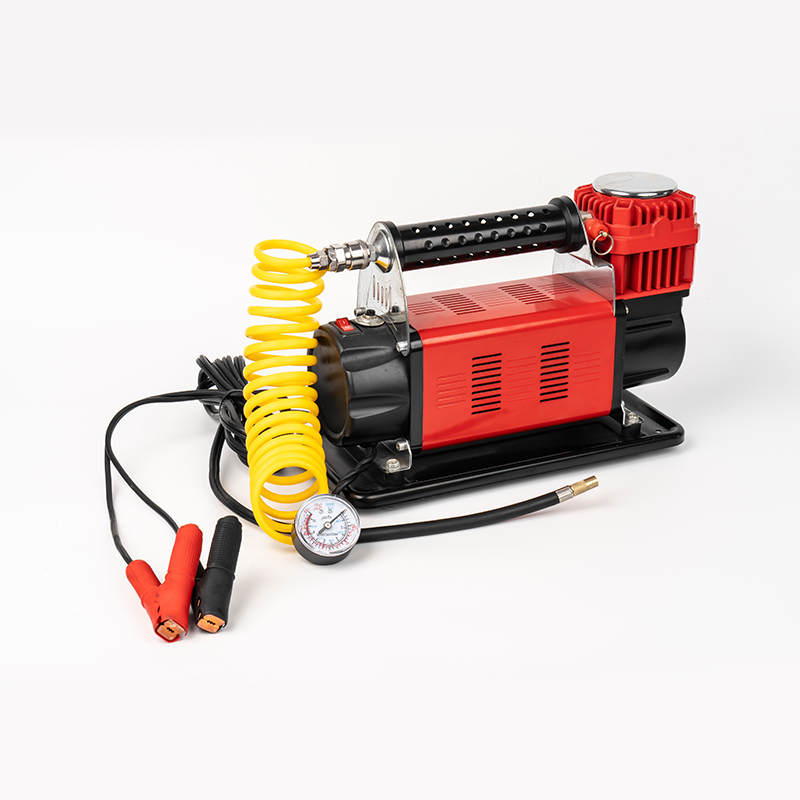
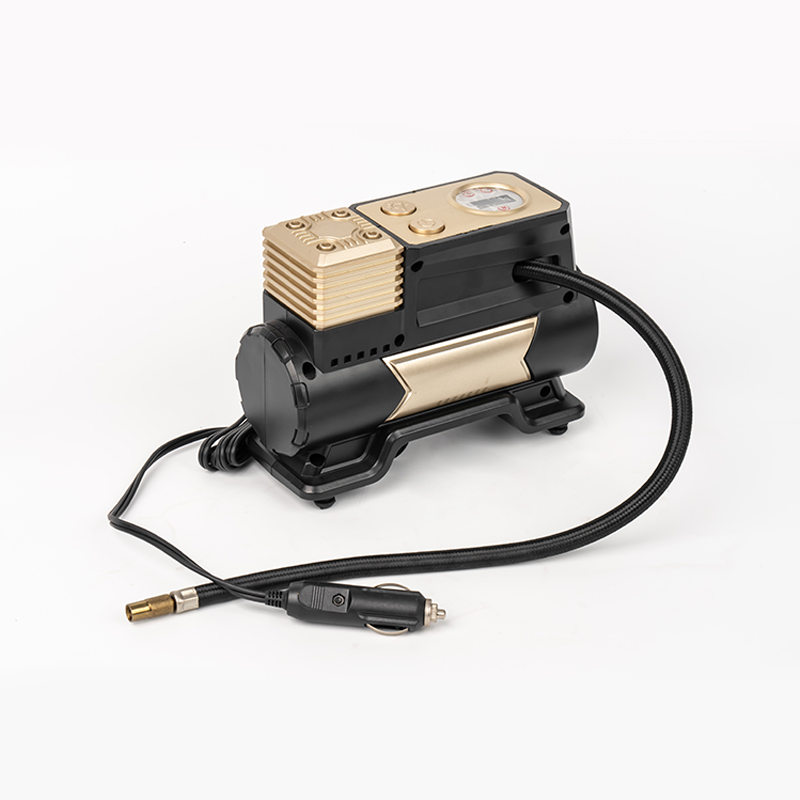
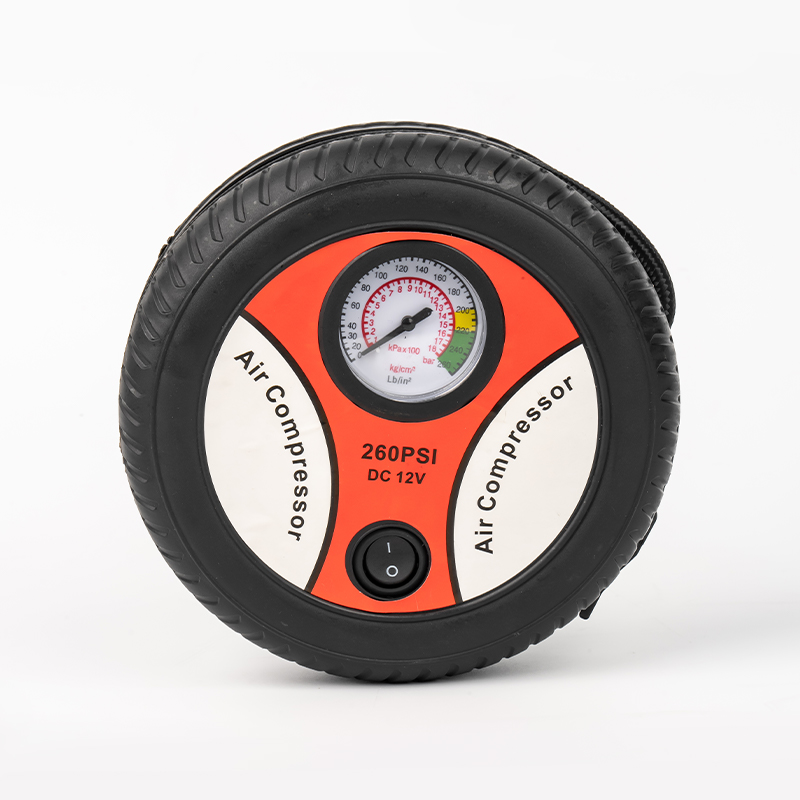
For many drivers, maintaining proper tire pressure is a routine yet essential part of vehicle ownership. Whether dealing with a slow leak, seasonal temperature changes, or preparing for a long road trip, a Vehicle Air Compressor is one of the most practical tools to keep in your car. One of the most common questions drivers ask is how long it actually takes for a Vehicle Air Compressor to inflate a tire. The answer depends on several technical and practical factors, including compressor specifications, tire size, pressure difference, and power source.
Understanding these variables not only helps manage expectations but also allows drivers to choose the right Vehicle Air Compressor for their needs. From compact portable units to heavy-duty onboard systems, inflation time can vary significantly.
Understanding Tire Inflation Basics
What Does Tire Inflation Time Mean?
Tire inflation time refers to the duration required for a Vehicle Air Compressor to raise a tire’s pressure from its current PSI (pounds per square inch) to the recommended level specified by the vehicle manufacturer. This process involves moving compressed air into the tire chamber until equilibrium is reached.
For example, inflating a passenger car tire from 25 PSI to 35 PSI is a relatively quick task, while inflating a large off-road tire from 15 PSI to 40 PSI requires considerably more time.
Why Proper Tire Pressure Matters
Maintaining correct tire pressure improves fuel efficiency, extends tire lifespan, enhances braking performance, and ensures stable handling. A reliable Vehicle Air Compressor makes it easier to address underinflation before it leads to uneven wear or safety risks.
Key Factors That Affect Inflation Time
1. Airflow Rate (CFM)
The airflow rate, usually measured in CFM (cubic feet per minute), is one of the most important performance indicators of a Vehicle Air Compressor. A higher CFM rating means the compressor can deliver more air in less time.
- Low CFM (0.5–1.0 CFM): Suitable for small passenger cars, longer inflation time.
- Medium CFM (1.5–2.5 CFM): Balanced performance for sedans, SUVs, and light trucks.
- High CFM (3.0+ CFM): Ideal for off-road vehicles and large tires.
2. Tire Size and Volume
Larger tires require more air volume. A compact car tire inflates much faster than a pickup truck or off-road tire, even when using the same Vehicle Air Compressor.
- Passenger car tires: 1–3 minutes
- SUV and light truck tires: 3–6 minutes
- Off-road and oversized tires: 6–10 minutes or more
3. Pressure Difference
The greater the difference between the current PSI and target PSI, the longer the inflation time. Topping up a tire by 3–5 PSI is quick, while inflating a flat tire takes substantially longer.
4. Power Source
Vehicle Air Compressors can be powered in several ways, and each affects performance:
- 12V DC (cigarette lighter): Convenient but slower due to limited power.
- Direct battery connection: Faster airflow and better performance.
- Built-in onboard systems: High efficiency and shortest inflation time.
5. Duty Cycle
Duty cycle refers to how long a compressor can run continuously without overheating. A higher duty cycle allows faster inflation without forced cooling breaks.
Average Inflation Time by Vehicle Type
Passenger Cars
Most compact and mid-size sedans use tires ranging from 14 to 17 inches. With a standard portable Vehicle Air Compressor rated around 1.5 CFM, inflation from 28 PSI to 35 PSI usually takes:
- Approximately 1–2 minutes per tire
SUVs and Crossovers
SUV tires have larger internal volume. A mid-range Vehicle Air Compressor typically requires:
Light Trucks and Vans
Light trucks and vans often operate at higher PSI levels. Inflation time increases accordingly:
Off-Road and All-Terrain Vehicles
Off-road tires are larger and often deflated for trail driving, requiring significant reinflation:
- 6–10 minutes per tire with a high-CFM Vehicle Air Compressor
Portable vs Heavy-Duty Vehicle Air Compressors
Portable Vehicle Air Compressors
Portable models are compact, lightweight, and easy to store in a trunk. They are ideal for emergency use and routine pressure checks.
Advantages:
- Affordable and widely available
- Easy to use
- Sufficient for daily driving
Limitations:
- Slower inflation
- Lower duty cycle
Heavy-Duty and Onboard Systems
Heavy-duty Vehicle Air Compressors are designed for frequent use and larger tires. These systems are often installed permanently.
Advantages:
- High airflow
- Fast inflation
- Long duty cycle
Limitations:
- Higher cost
- More complex installation
Comparison: Inflation Speed by Compressor Type
| Vehicle Air Compressor Type |
Average Inflation Time |
Best Use Case |
| 12V Portable Compressor |
3–6 minutes |
Passenger cars, emergencies |
| Battery-Connected Compressor |
2–4 minutes |
SUVs, light trucks |
| High-CFM Off-Road Compressor |
1–2 minutes |
Off-road vehicles |
How to Reduce Tire Inflation Time
Choose the Right Compressor
Selecting a Vehicle Air Compressor with appropriate CFM and pressure rating ensures faster and more efficient inflation.
Inflate When Tires Are Cool
Cold tires provide more accurate pressure readings and prevent overworking the compressor.
Check Hoses and Connections
Air leaks can significantly slow down inflation. Secure fittings improve performance.
Maintain the Compressor
Clean filters and proper storage extend the lifespan and efficiency of a Vehicle Air Compressor.
Frequently Asked Questions (FAQ)
How long does it take to inflate a completely flat tire?
Using a standard portable Vehicle Air Compressor, inflating a flat passenger car tire typically takes 5–8 minutes, depending on airflow and tire size.
Can a Vehicle Air Compressor overinflate a tire?
Yes, if not monitored. Many modern compressors include automatic shutoff features to prevent overinflation.
Is it safe to use a Vehicle Air Compressor in hot weather?
Yes, but extended use may require cooling breaks, especially for models with a lower duty cycle.
Does higher PSI always mean longer inflation time?
Generally yes, because more compressed air is required. Tire volume also plays a major role.
How often should tire pressure be checked?
At least once a month and before long trips. A Vehicle Air Compressor makes routine checks quick and convenient.
Vehicle Air Compressor as a Practical Driving Essential
Inflation time is an important consideration when choosing a Vehicle Air Compressor, but it should be evaluated alongside durability, accuracy, and ease of use. For daily commuters, a compact portable unit is often sufficient. For commercial vehicles or off-road enthusiasts, investing in a higher-capacity compressor significantly reduces inflation time and improves overall efficiency.
With the right Vehicle Air Compressor, maintaining proper tire pressure becomes a fast, reliable, and stress-free task, supporting safer driving and better vehicle performance in all conditions.

 English
 Español
 عربى
عربى Türk
Türk