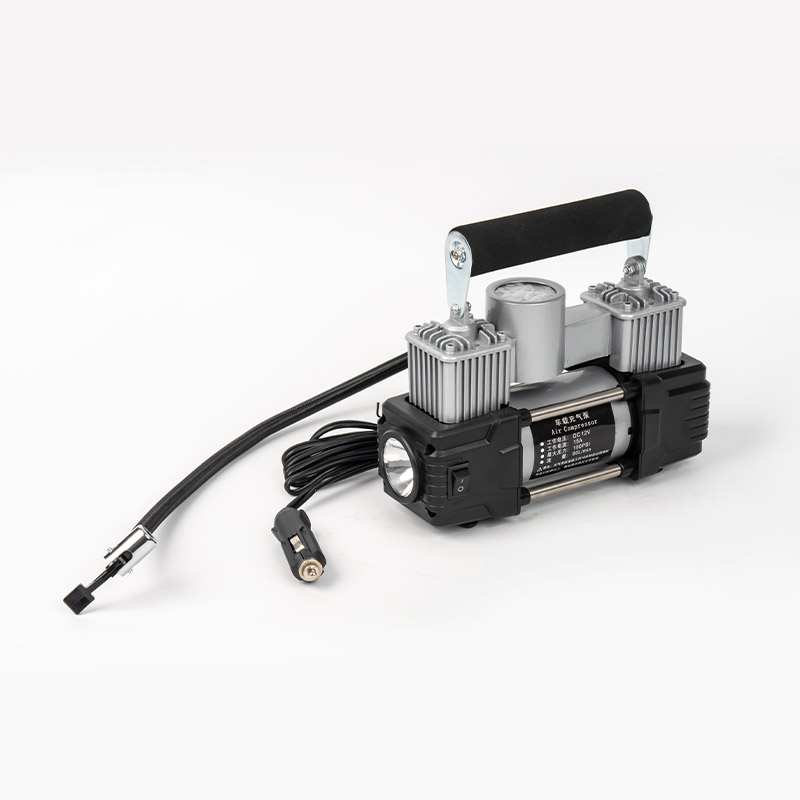
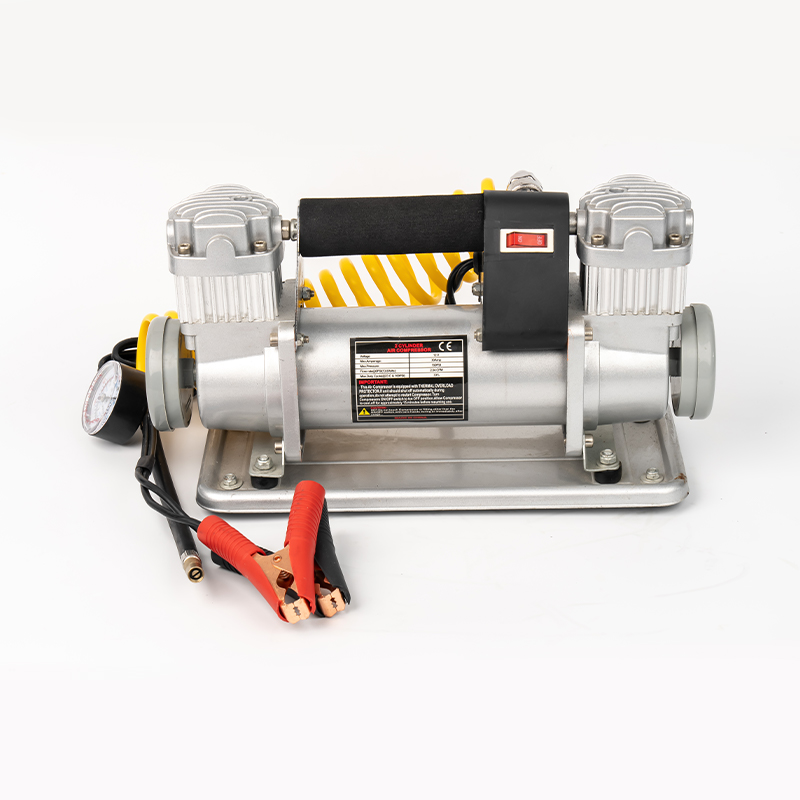
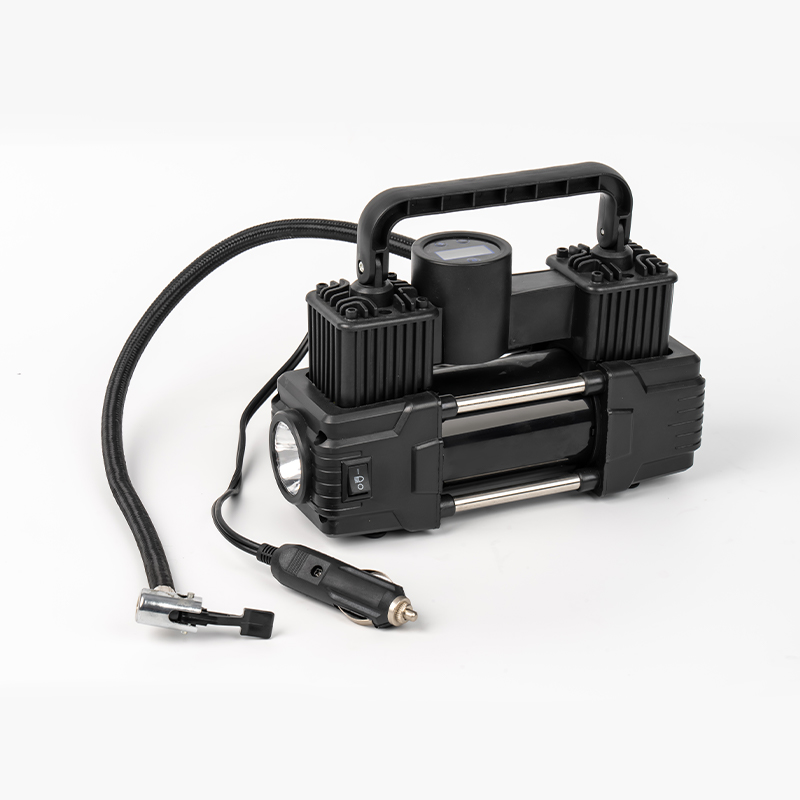
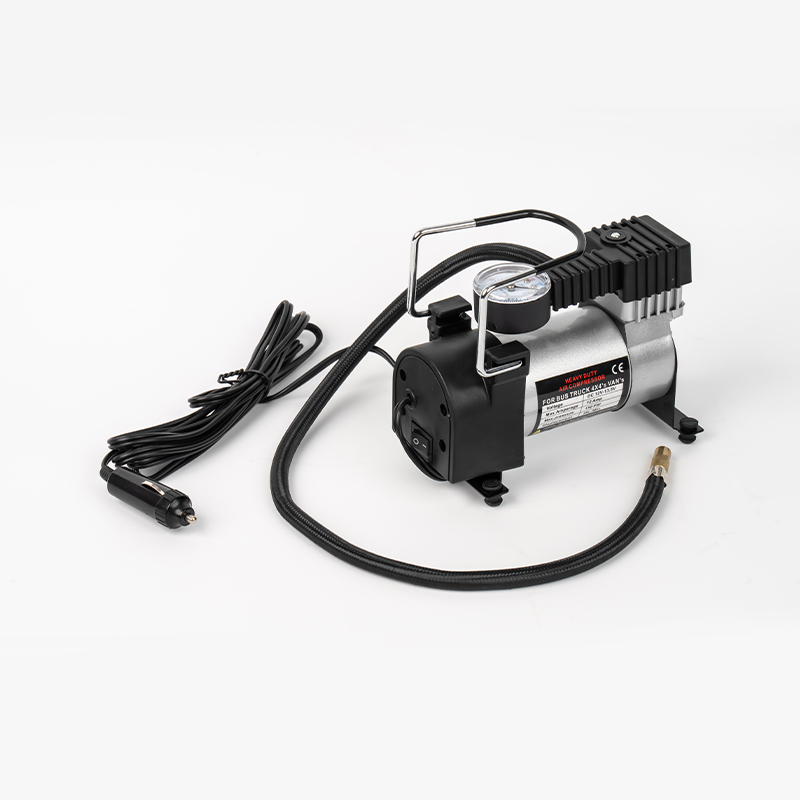
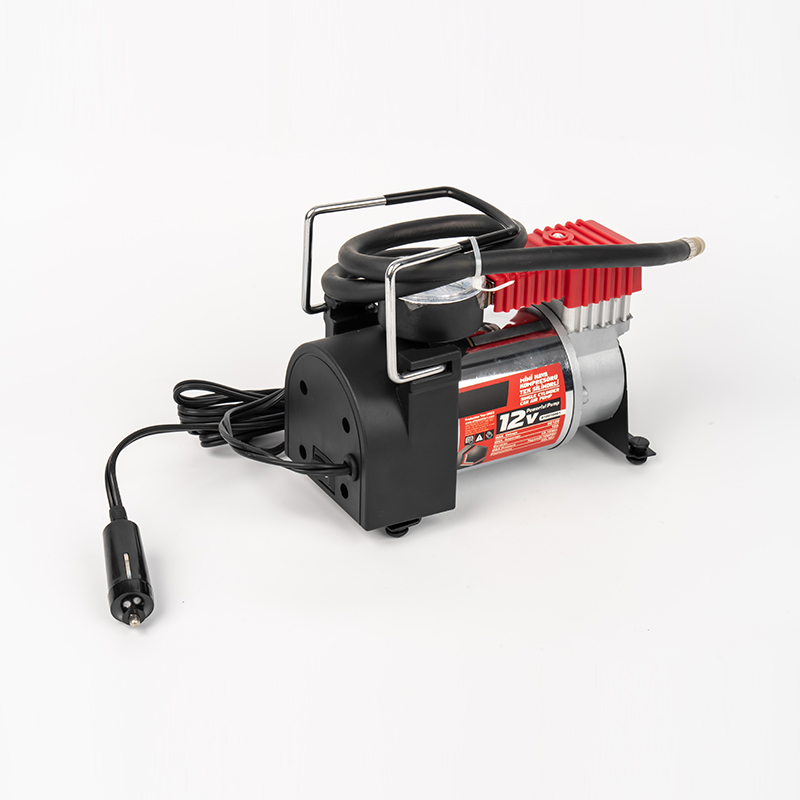
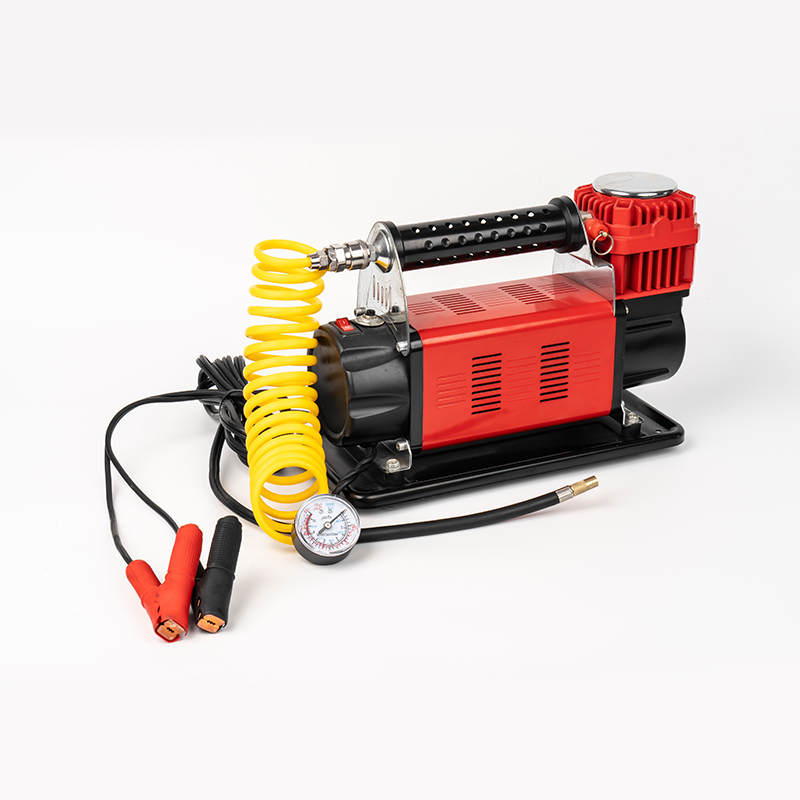
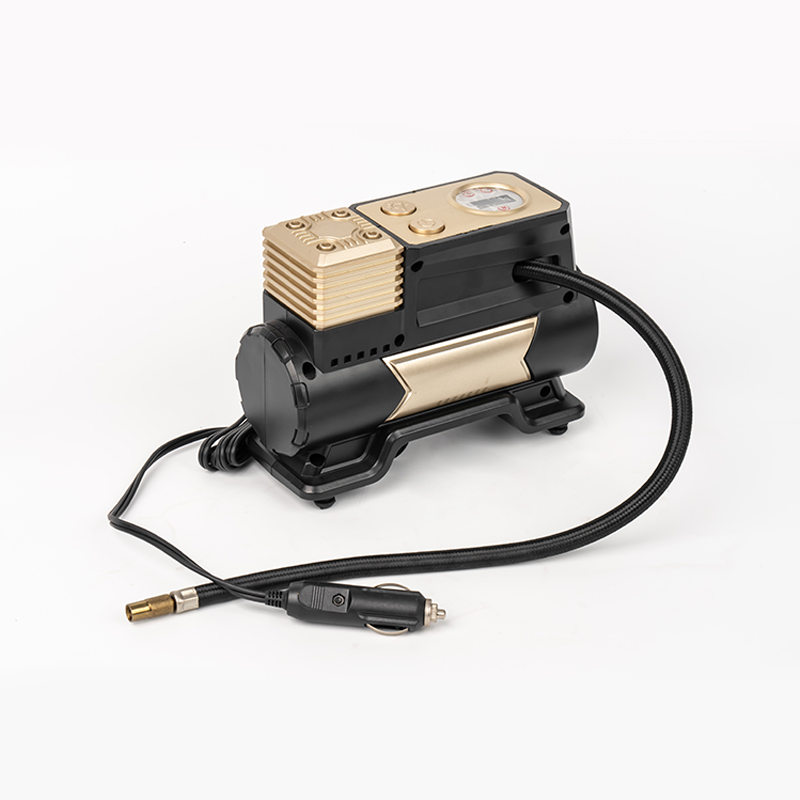
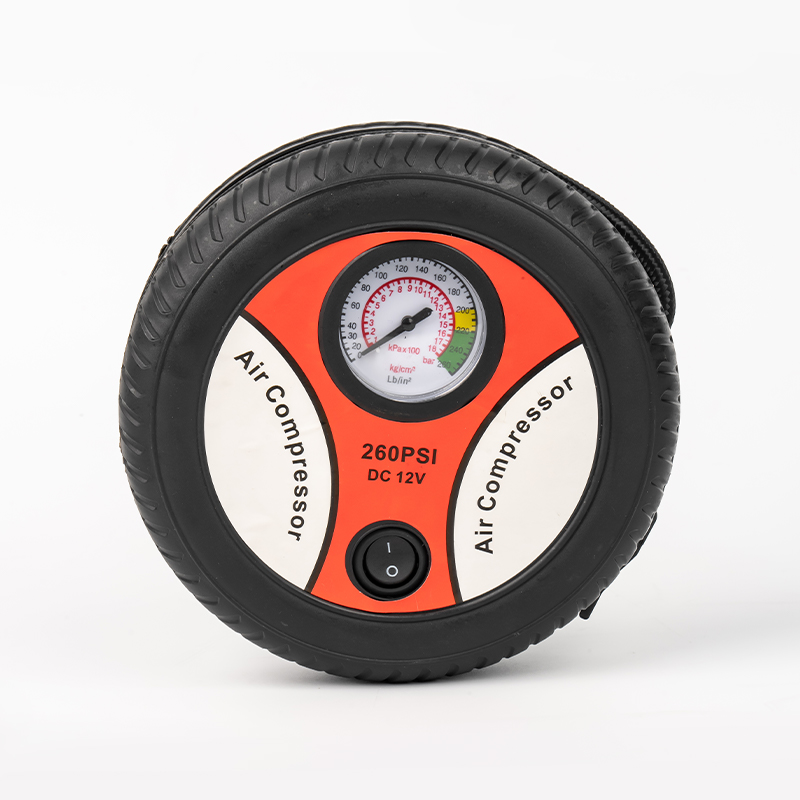
When buying a portable vehicle air compressor, you should focus on maximum PSI output, airflow rate (CFM), power source compatibility, inflation speed, portability, and built-in safety features. These are the core factors that determine whether a unit will reliably serve your car, truck, SUV, or RV in everyday use or emergency situations. This guide walks you through every key consideration to help you make the right purchase.
Why a Portable Vehicle Air Compressor Is a Must-Have
A flat or underinflated tire can happen anywhere — on a highway, in a parking lot, or in the middle of nowhere. A quality portable vehicle air compressor ensures you're never stranded. Beyond emergencies, maintaining proper tire pressure improves fuel efficiency, extends tire lifespan, and enhances driving safety. According to automotive safety data, roughly 25% of vehicles on the road are driving on at least one underinflated tire at any given time.
Whether you drive a compact sedan, a full-size pickup, or an off-road 4x4, there's a portable air compressor built for your vehicle. The key is knowing what specs and features actually matter.
1. Maximum PSI (Pounds Per Square Inch)
PSI is arguably the most critical specification when evaluating a portable vehicle air compressor. It tells you the maximum pressure the unit can deliver.
PSI Requirements by Vehicle Type
| Vehicle Type |
Typical Tire PSI |
Recommended Compressor Max PSI |
| Compact Car / Sedan |
30–36 PSI |
100 PSI |
| SUV / Crossover |
33–40 PSI |
120 PSI |
| Pickup Truck |
35–65 PSI |
150 PSI |
| 4x4 / Off-Road Tires |
20–40 PSI (airing up after trail) |
150+ PSI |
| RV / Light Truck |
80–110 PSI |
150–200 PSI |
Always choose a compressor that exceeds your tire's maximum PSI requirement by a comfortable margin. A unit that maxes out at exactly your tire's pressure will struggle and wear out faster.
2. Airflow Rate: CFM and LPM
CFM (cubic feet per minute) or LPM (liters per minute) measures how quickly an air compressor can inflate a tire. Higher airflow means faster inflation — which matters most when you're stuck on the roadside in harsh weather.
- 35–50 LPM — Adequate for standard passenger car tires
- 50–80 LPM — Better for SUVs and light trucks, faster fill times
- 80+ LPM — Ideal for truck tires, off-road use, or RV applications
Don't overlook this spec. A compressor with high PSI but low LPM may technically reach the target pressure but take 10–20 minutes to inflate a single tire — far from practical.
3. Power Source Options
Portable vehicle air compressors come in several power configurations. Your choice should match how and where you plan to use it.
Power Source Comparison
| Power Type |
How It Works |
Best For |
Drawback |
| 12V DC (Cigarette Lighter) |
Plugs into car's 12V outlet |
Everyday drivers, cars, light trucks |
Limited to 10–15A; slower for large tires |
| Direct Battery Clamp |
Clips directly to car battery |
Trucks, off-road, RVs, high-volume use |
Slightly less convenient to connect |
| Cordless / Battery-Powered |
Built-in rechargeable lithium battery |
Convenience, bike tires, short inflation jobs |
Limited capacity; needs recharging |
| AC Plug (110V/120V) |
Standard home wall outlet |
Garage use, home driveway |
Not portable away from outlets |
Many high-quality portable vehicle air compressors offer dual power inputs — both a 12V plug and direct battery clamps — giving you flexibility in any situation.
4. Preset Auto-Shutoff and Digital Gauge
One of the most user-friendly features in modern vehicle air compressors is the automatic shutoff function. You set your target PSI, start the compressor, and it stops automatically when the tire reaches that pressure. This eliminates the risk of overinflation — a common mistake when inflating manually.
A digital pressure gauge with a backlit display adds significant convenience, especially when working in low-light conditions. Look for gauges that display readings in PSI, BAR, KPA, and Kgf/cm² to accommodate different tire specifications.
5. Duty Cycle and Heat Management
The duty cycle defines how long a compressor can run continuously before it needs to cool down. Budget models may only handle 10–15 minutes of continuous operation, which is usually enough for a single car tire. However, for trucks with large tires or for re-inflating after off-roading, you need a unit with a longer duty cycle.
- Short Duty Cycle (10–15 min): Fine for passenger cars with minor top-ups
- Medium Duty Cycle (20–30 min): Suitable for SUV and truck tires from flat
- Long Duty Cycle (35+ min or continuous): Required for RVs, multiple tires, off-road recovery
Models with thermal protection circuits automatically shut off to prevent motor damage when overheating occurs — a critical safety feature to look for.
6. Hose Length and Valve Connector Types
A short hose on a portable air compressor is surprisingly frustrating in real use. You need enough length to reach all four tires without repositioning the unit or the car. Look for a hose length of at least 20 inches (50 cm) — longer is generally better, especially for larger vehicles.
The connector at the end of the hose should be a standard Schrader valve fitting, which matches nearly all modern car, truck, and SUV tires. Some kits include additional adapters for Presta valves (bikes), ball needles, and inflatable toys — a nice bonus if you want versatility.
7. Portability: Size, Weight, and Storage
Not all portable vehicle air compressors are equal in terms of true portability. Consider:
- Weight: Most quality units range from 2 lbs to 8 lbs. Heavier models typically offer higher output.
- Compact Design: Units that fit in a glove box or under a seat are ideal for everyday carry.
- Carry Bag / Storage Case: A protective case keeps the unit, hose, and accessories organized and protected in your trunk.
- Cable Storage: Built-in cord winding or Velcro wraps prevent cable tangles during storage.
8. Noise Level
Portable vehicle air compressors can be loud. Most piston-type units operate at 70–85 decibels, comparable to a vacuum cleaner or busy street traffic. If noise is a concern — for instance, if you have young children in the car or frequently inflate tires in residential areas — look for units marketed with noise-dampening housing or brushless motors, which tend to run quieter.
9. Built-in LED Work Light
A built-in LED flashlight or work light is a small feature with outsized real-world value. Flat tires don't always happen in daylight. A bright LED light on the compressor body lets you illuminate the tire valve, read the pressure gauge, and inspect the tire — all at the same time, without needing a separate flashlight.
10. Build Quality and Durability
A portable vehicle air compressor that lives in your trunk faces real abuse — temperature extremes, vibration, and occasional rough handling. Look for:
- Metal motor housing: Aluminum or steel housing dissipates heat better and resists impact.
- Reinforced braided hose: Resists cracking in cold weather and kinking in tight spaces.
- Brass valve chuck: More durable than plastic and provides a better seal.
- Rubber anti-slip feet: Prevents the unit from sliding on pavement or engine covers.
Portable Air Compressor Feature Comparison: Budget vs. Mid-Range vs. Premium
| Feature |
Budget ($20–$40) |
Mid-Range ($40–$80) |
Premium ($80–$150+) |
| Max PSI |
100 PSI |
120–150 PSI |
150–200 PSI |
| Airflow (LPM) |
20–35 LPM |
40–60 LPM |
70–100+ LPM |
| Duty Cycle |
10–15 min |
20–30 min |
35+ min / continuous |
| Digital Gauge + Auto-Shutoff |
Basic analog / no auto |
Digital with preset |
Digital + programmable preset |
| LED Light |
Rarely included |
Often included |
Bright multi-mode LED |
| Hose Quality |
Thin plastic |
Reinforced rubber |
Braided reinforced, longer |
| Thermal Protection |
No |
Sometimes |
Yes (standard) |
| Best For |
Sedans, occasional use |
SUVs, regular drivers |
Trucks, off-road, RVs |
Additional Features Worth Considering
Multi-Use Nozzle Attachments
Many portable vehicle air compressors include nozzle adapters for bicycle tires (Presta valve), sports balls, inflatable mattresses, and pool toys. If you want a single device for multiple inflation tasks, confirm these adapters are included or available separately.
Integrated Pressure Relief Valve
A pressure relief valve protects both the tire and the compressor from dangerous overpressure if the auto-shutoff system fails. It's a passive safety feature that's inexpensive to include but often missing from budget units.
Polarity Protection
For units that connect to car batteries with clamps, reverse polarity protection prevents damage if clamps are accidentally connected incorrectly. This feature protects the compressor's electronics and is especially valuable during stressful roadside situations.
Common Mistakes to Avoid When Buying a Vehicle Air Compressor
- Buying by price alone: The cheapest compressor may not produce enough PSI for your tires or may fail after a few uses.
- Ignoring CFM/LPM ratings: High PSI means nothing if the airflow is too slow to practically inflate your tire in a reasonable time.
- Underestimating duty cycle needs: If you drive an SUV or truck, you need more than a basic 10-minute duty cycle unit.
- Overlooking hose length: A short hose forces you to reposition either the car or the compressor between tires.
- Skipping the auto-shutoff feature: Without it, overinflation is easy, especially if you get distracted.
Frequently Asked Questions (FAQ)
Q: How much PSI do I need for a standard car tire?
Most passenger car tires require 30–36 PSI. Check the sticker inside your driver's door jamb or your owner's manual for the exact specification. A compressor rated to at least 100 PSI will handle virtually all standard car tires comfortably.
Q: Can a 12V portable air compressor inflate a completely flat tire?
Yes, but it takes time. A good 12V vehicle air compressor with 50+ LPM airflow can inflate a completely flat mid-size sedan tire in approximately 5–10 minutes. For truck or SUV tires, expect 10–20 minutes. Make sure the compressor's duty cycle supports this run time.
Q: What is the difference between a 12V plug and battery clamp compressor?
A 12V cigarette lighter plug is limited by the fuse in that circuit (usually 10–20A), which limits power draw. Battery clamp units connect directly to the car battery and can draw more current, making them faster and more powerful — ideal for larger tires or continuous use.
Q: Are cordless battery-powered air compressors as good as 12V models?
Cordless compressors offer excellent convenience but typically have lower continuous run capacity due to battery size limitations. For topping off tires or light use, they're excellent. For fully inflating flat tires on trucks or multiple tires in one session, a 12V or battery clamp unit is more reliable.
Q: How do I know if a portable air compressor will work for my truck or RV tires?
Check your tire's maximum PSI (found on the tire sidewall) and ensure the air compressor can exceed it. For heavy-duty truck and RV tires, look for a unit capable of at least 150 PSI with a 30+ minute duty cycle and battery clamp connection for maximum power.
Q: Should I keep a portable air compressor in my car at all times?
Absolutely. A compact portable vehicle air compressor is one of the most practical emergency tools you can keep in your vehicle. Paired with a tire repair kit, it can get you back on the road without waiting for roadside assistance in most situations.
Final Thoughts
Choosing the right portable vehicle air compressor comes down to matching the unit's specifications to your specific vehicle and use case. For most passenger car drivers, a mid-range unit with 120 PSI, 50+ LPM, a digital auto-shutoff gauge, and an LED light will deliver everything needed for emergency and maintenance use. Truck owners and off-roaders should invest in a heavy-duty model with battery clamps, 150+ PSI, and a long duty cycle.
The bottom line: don't wait until you're stranded on the side of the road to think about this purchase. A quality portable vehicle air compressor is an affordable, compact, and potentially life-saving investment that belongs in every vehicle.

 English
 Español
 عربى
عربى Türk
Türk