 English
 Español
 عربى
عربى Türk
TürkThe short answer is straightforward: tires lose pressure in cold weather because air molecules contract when temperatures drop, reducing the volume they occupy inside the tire. For every 10°F (approximately 5.6°C) decrease in ambient temperature, a typical passenger vehicle tire loses between 1 and 2 PSI (pounds per square inch) of pressure. A vehicle air pump provides an immediate, convenient way to restore proper inflation levels without needing to visit a service station, keeping your vehicle safe, fuel-efficient, and road-ready regardless of the season.
Content
- The Physics Behind Cold-Weather Tire Pressure Loss
- How Much Pressure Do Tires Actually Lose in Cold Conditions?
- Why Driving on Underinflated Tires Is Dangerous
- The Role of TPMS and Why It Should Not Be Your Only Defense
- How a Vehicle Air Pump Provides a Practical Solution
- Types of Vehicle Air Pumps: A Comparative Overview
- Step-by-Step Guide: Using a Vehicle Air Pump Correctly in Cold Weather
- Seasonal Tire Pressure Management: A Proactive Approach
- Economic Analysis: The Cost of Neglect vs. The Value of an Air Pump
- Frequently Asked Questions About Cold Weather Tire Pressure and Air Pumps
- Conclusion: Preparation Beats Reaction Every Time
The Physics Behind Cold-Weather Tire Pressure Loss
The fundamental reason tires deflate in colder temperatures is explained by the ideal gas law, a cornerstone of physics that describes how gases behave under changing conditions. The law states that pressure (P), volume (V), and temperature (T) are directly related: when temperature decreases, pressure decreases proportionally — assuming volume remains relatively constant, which it does inside a sealed tire. This is not a leak; it is a natural physical response. The air inside your tires in summer at 90°F will exert significantly more pressure than the same air at 30°F in winter, even though no air has escaped the tire casing. Understanding this principle helps drivers recognize that a TPMS warning light on a frigid morning does not necessarily indicate a puncture — it often simply reflects the laws of thermodynamics at work.
How Much Pressure Do Tires Actually Lose in Cold Conditions?
The industry-standard estimate — confirmed by research from AAA and tire manufacturers — is that tires lose approximately 1 to 2 PSI for every 10°F drop in ambient temperature. This means a temperature swing from 80°F to 30°F could result in a pressure drop of 5 to 10 PSI, which is substantial enough to trigger a TPMS warning and affect vehicle handling. The table below illustrates typical pressure loss scenarios based on common seasonal temperature shifts.
Mild Drop: 10°F decrease
Expected loss: 1–2 PSI
Minimal handling impact; fuel economy may dip slightly.
Moderate Drop: 30°F decrease
Expected loss: 3–6 PSI
TPMS likely to activate; tread wear accelerates.
Severe Drop: 50°F decrease
Expected loss: 5–10 PSI
Significant safety risk; tire damage possible.
| Temperature Change | Approximate PSI Loss | Real-World Example | Risk Level |
|---|---|---|---|
| 10°F (5.6°C) drop | 1–2 PSI | Overnight cooling from 65°F to 55°F | Low |
| 25°F (13.9°C) drop | 2.5–5 PSI | Early winter cold front arrival | Moderate |
| 40°F (22.2°C) drop | 4–8 PSI | Warm garage exit to freezing outdoor parking | High |
| 60°F (33.3°C) drop | 6–12 PSI | Desert day to freezing night in high-altitude regions | Severe |
Table Explanation: This table summarizes the estimated tire pressure loss corresponding to different ambient temperature drops. Data is based on the widely accepted 1–2 PSI per 10°F rule referenced by AAA and tire industry technical bulletins. Actual loss may vary depending on tire size, initial pressure, and humidity levels inside the tire.
Why Driving on Underinflated Tires Is Dangerous
Underinflated tires compromise safety in multiple critical ways. According to the National Highway Traffic Safety Administration (NHTSA), tires that are underinflated by 25% or more are three times more likely to be involved in a crash related to tire failure. Low pressure increases the tire's contact patch with the road, which generates excessive heat due to friction — this heat can degrade the tire's internal structure and lead to a catastrophic blowout, especially at highway speeds. Furthermore, a 2018 NHTSA report indicated that approximately 11,000 tire-related crashes occur annually in the United States, with underinflation cited as a leading contributing factor.
Beyond blowout risk, underinflated tires significantly extend braking distances on wet pavement. Testing conducted by tire safety organizations has shown that a vehicle with tires at 20% below recommended pressure can require up to 10 additional feet to stop from 60 mph on a damp surface — enough to mean the difference between a near miss and a collision. Steering responsiveness also degrades, making evasive maneuvers less precise. In cold weather, when roads may already be slick with ice or snow, this reduction in control becomes even more pronounced.
Fuel Economy Penalties of Low Tire Pressure
Low tire pressure directly increases rolling resistance, which forces the engine to work harder and consume more fuel. The U.S. Department of Energy estimates that for every 1 PSI drop across all four tires, fuel efficiency decreases by approximately 0.2%. While this may seem negligible, a vehicle running 10 PSI below specification could see a 2% reduction in miles per gallon. Over the course of a year and 15,000 miles driven, that translates into roughly 15 to 25 extra gallons of fuel consumed — an unnecessary expense that also increases carbon emissions. In cold weather, when engines already operate less efficiently during warm-up cycles, the combined effect of underinflated tires can make a noticeable dent in your fuel budget.
Accelerated and Uneven Tire Wear
Underinflation causes the tire's shoulder areas — the outer edges of the tread — to bear a disproportionate share of the vehicle's weight. This leads to premature wear on the shoulders while the center tread remains relatively intact. A tire that could have lasted 50,000 miles under proper inflation may wear out 10,000 to 15,000 miles sooner when consistently underinflated by just 5 to 8 PSI. Replacing tires early represents a significant avoidable cost, given that a full set of quality tires typically ranges from $400 to $900. Regular pressure checks and prompt correction with a vehicle air pump can extend tire life substantially.
The Role of TPMS and Why It Should Not Be Your Only Defense
Tire Pressure Monitoring Systems (TPMS) are valuable safety tools, but they are not a substitute for regular manual pressure checks. Since 2007, all new passenger vehicles sold in the United States have been required to include TPMS as standard equipment. These systems use sensors inside each wheel to detect when pressure falls below a certain threshold — typically 25% below the manufacturer's recommended level. However, this means a tire could be significantly underinflated before the warning light illuminates. For a tire with a recommended pressure of 35 PSI, the TPMS light may not activate until pressure drops to around 26 PSI — a level already low enough to affect handling and fuel economy. In cold weather, the gradual pressure loss from temperature changes may go unnoticed for weeks if a driver relies solely on the dashboard warning light. A vehicle air pump with an integrated pressure gauge allows drivers to proactively maintain optimal pressure rather than reactively addressing a warning.
How a Vehicle Air Pump Provides a Practical Solution
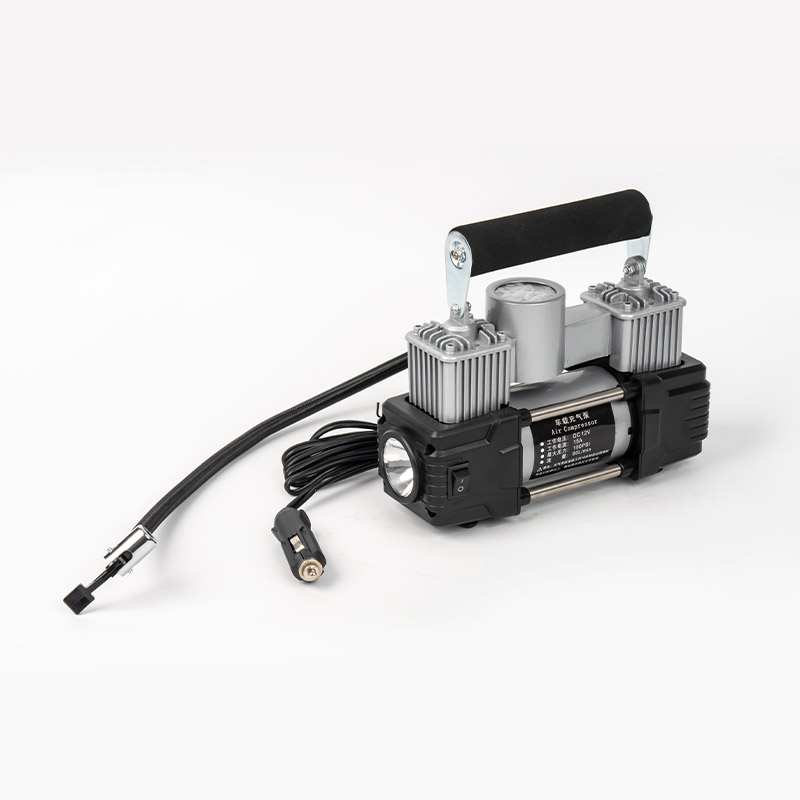
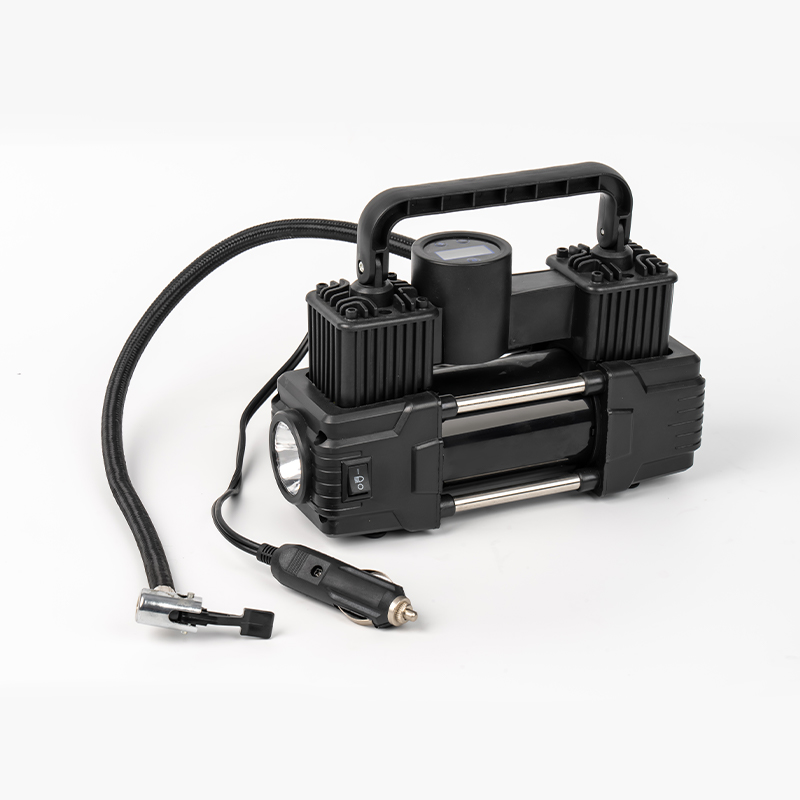
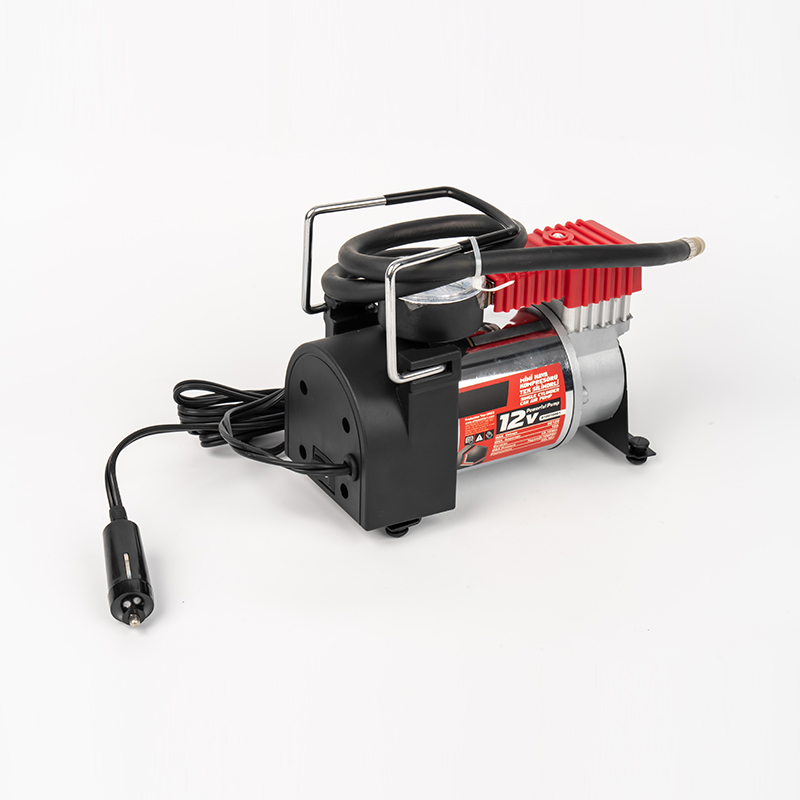
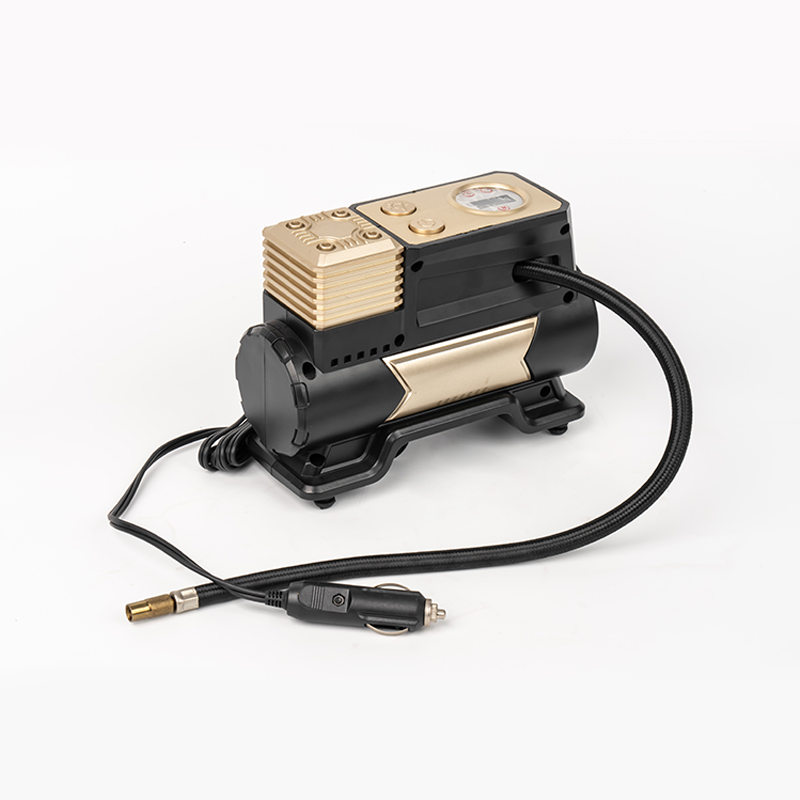
A portable vehicle air pump empowers drivers to restore proper tire pressure immediately, without waiting in line at a gas station or driving on underinflated tires to reach one. Modern portable air pumps are compact, lightweight, and designed to plug into a vehicle's 12V DC outlet or run on rechargeable lithium-ion batteries. They typically feature digital pressure gauges with auto-stop functionality, allowing users to set a target PSI and let the pump shut off automatically when that pressure is reached. This eliminates guesswork and prevents overinflation. In the context of cold-weather pressure loss, having an air pump in your trunk means you can address a TPMS warning on a freezing morning within minutes, right in your driveway, rather than embarking on a potentially hazardous trip to find a functioning air station — many of which are poorly maintained or inoperable in extreme cold.
Key Scenarios Where a Portable Air Pump Proves Invaluable
- Cold morning TPMS alerts: Restore pressure at home before commuting, avoiding the risk of driving on soft tires.
- Remote travel and road trips: Many rural routes have limited service stations; a portable pump provides independence and peace of mind.
- Seasonal transitions: As autumn shifts to winter, weekly pressure top-offs with a home air pump keep all four tires at specification.
- Slow leaks: A pump can temporarily restore pressure to a tire with a minor puncture, allowing you to reach a repair shop safely.
- Fluctuating altitude: Driving from sea level to mountain elevations affects tire pressure; a portable pump enables quick adjustments.
Types of Vehicle Air Pumps: A Comparative Overview
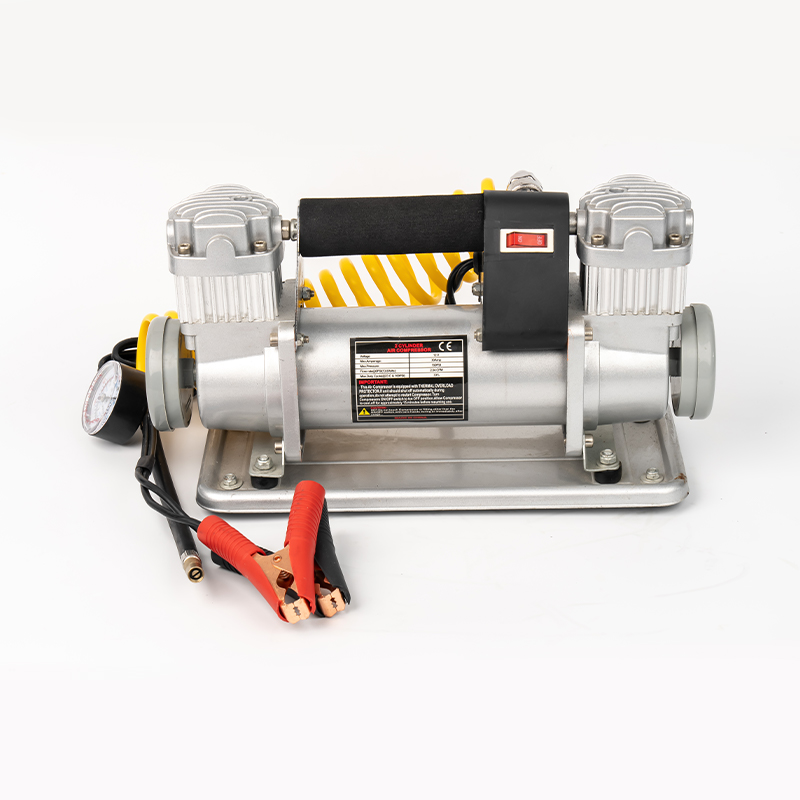
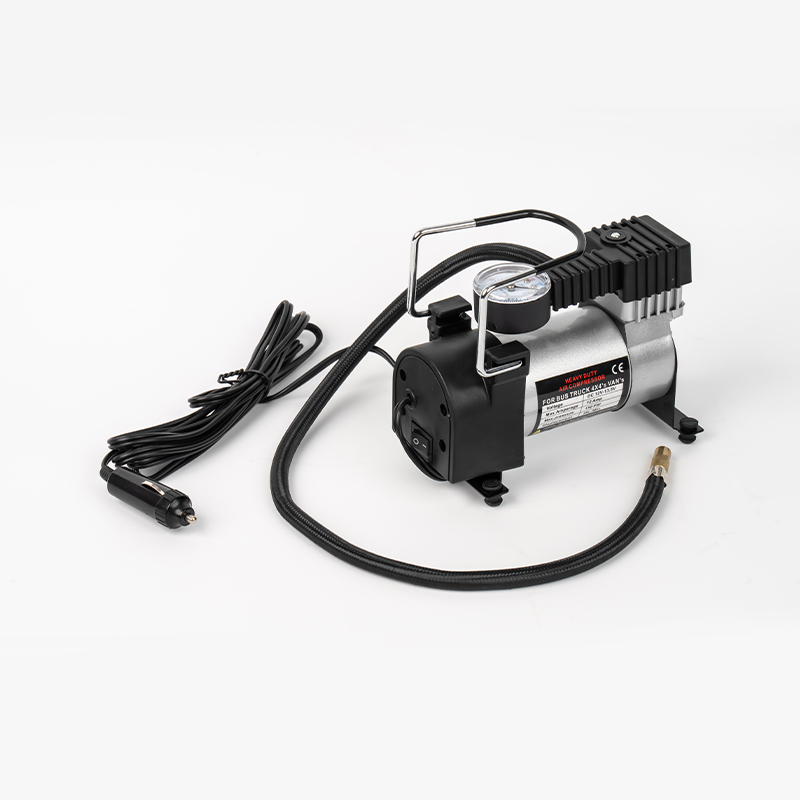
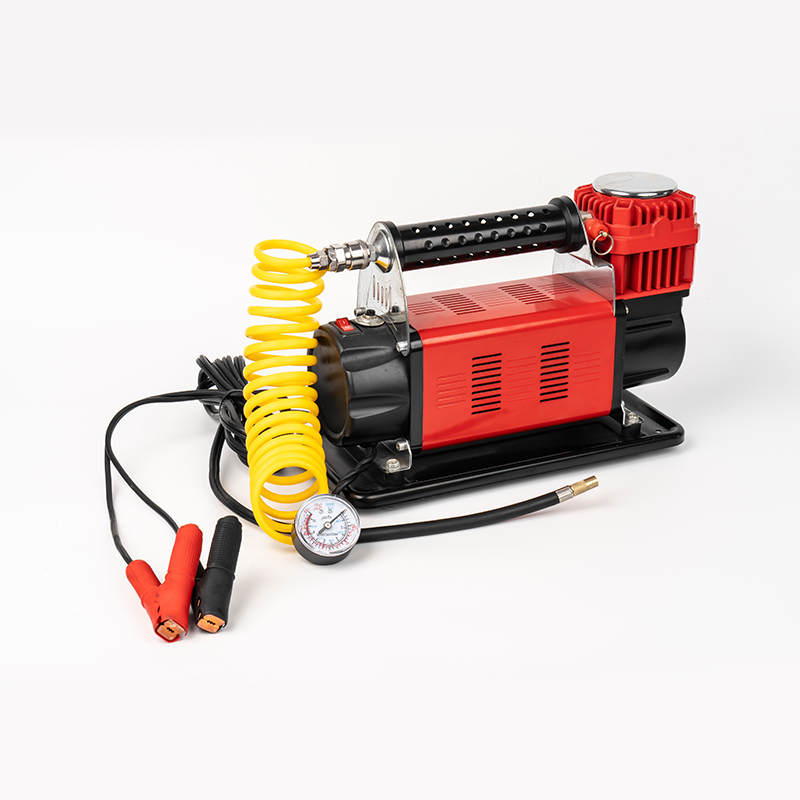
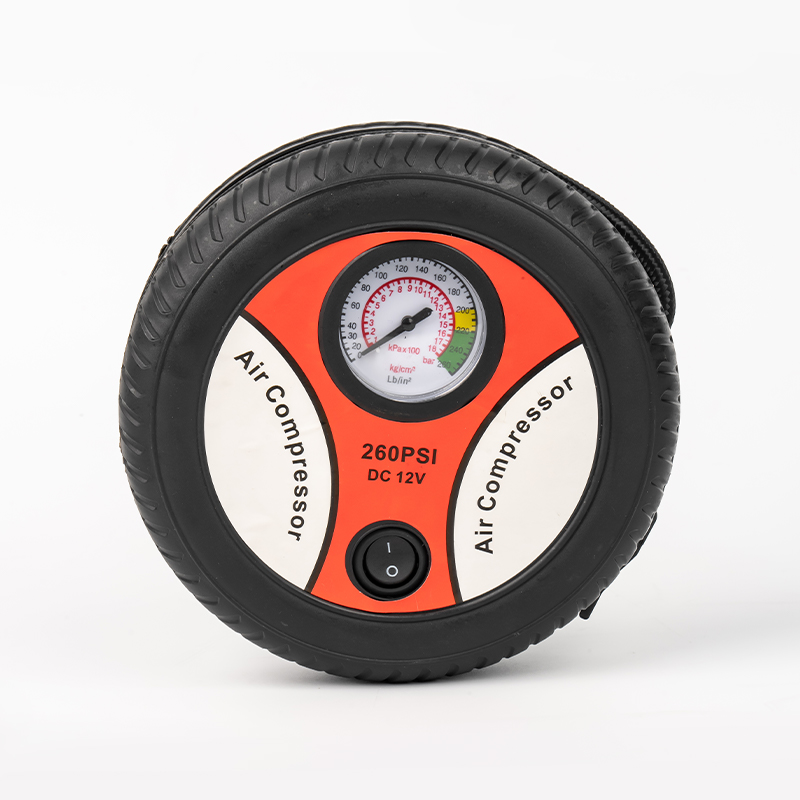
Choosing the right type of vehicle air pump depends on your specific needs, vehicle type, and intended usage frequency. The market primarily offers two categories: corded 12V pumps that draw power from the vehicle's electrical system, and cordless battery-powered pumps that offer maximum portability. Each type has distinct advantages and limitations. Understanding these differences ensures you select a pump that aligns with your driving habits and the demands of cold-weather tire maintenance.
| Feature | Corded 12V Air Pump | Cordless Battery-Powered Pump | Heavy-Duty Dual-Power Pump |
|---|---|---|---|
| Power Source | Vehicle 12V DC outlet | Rechargeable lithium-ion battery | 12V DC + rechargeable battery |
| Max Pressure | 100–150 PSI | 100–120 PSI | 120–160 PSI |
| Inflation Speed | Fast; continuous power supply | Moderate; limited by battery capacity | Fast; switches between power modes |
| Portability | Limited by cord length (typically 10–15 ft) | Excellent; use anywhere, no cord restrictions | Good; corded and cordless flexibility |
| Best For | Regular home use; passenger cars | Emergency kits; motorcycles; bicycles | SUVs; trucks; off-road vehicles; frequent use |
| Cold Weather Reliability | Good; vehicle battery must be functional | Moderate; battery performance drops in extreme cold | Excellent; backup power options available |
| Approx. Price Range | $25–$60 | $35–$90 | $55–$140 |
Table Explanation: This comparison highlights the key functional differences between the three main types of portable vehicle air pumps. Corded 12V pumps offer reliable, fast inflation for regular use. Cordless battery-powered models prioritize portability and are ideal for emergency kits. Heavy-duty dual-power pumps combine versatility with higher output, making them suitable for larger vehicles and demanding conditions. Price ranges reflect typical consumer-market figures as of 2025.
Step-by-Step Guide: Using a Vehicle Air Pump Correctly in Cold Weather
Proper technique when using a portable air pump ensures accurate inflation and prevents damage to the pump or tire valve. Follow these steps for reliable results every time, especially during winter months when cold temperatures can affect both tire rubber and pump components.
- Check the recommended pressure first. Locate the vehicle manufacturer's recommended PSI on the driver's side door jamb sticker or in the owner's manual. This value represents cold inflation pressure — meaning the pressure when tires are at ambient temperature, not after driving. Never use the maximum pressure figure molded onto the tire sidewall, as that indicates the tire's structural limit, not the optimal driving pressure.
- Position the vehicle on a level surface. Park on flat ground and engage the parking brake. Ensure the tires are cold — meaning the vehicle has been stationary for at least three hours or has driven less than one mile at moderate speed. Measuring warm tires will yield falsely high readings.
- Remove the valve stem cap and attach the pump. Unscrew the valve cap and keep it in a clean, dry place. Firmly press the pump's hose connector onto the valve stem until you hear no hissing air — a secure seal is essential for accurate pressure readings. A loose connection can cause the pump gauge to display incorrect values.
- Set the target PSI on digital pumps. If your pump features an auto-stop function, program the desired pressure before starting. The pump will automatically shut off upon reaching the set value, preventing overinflation — a common mistake that can make tires excessively rigid and reduce traction on slippery winter roads.
- Activate the pump and monitor progress. Turn on the pump and allow it to run. Most portable units inflate a standard passenger tire from 25 PSI to 35 PSI in approximately 2 to 4 minutes. Keep an eye on the digital display throughout the process.
- Detach and recheck with a separate gauge. Once inflation is complete, disconnect the pump and immediately replace the valve cap to prevent moisture and debris intrusion. For accuracy, verify the final pressure with a standalone tire gauge — built-in pump gauges can sometimes deviate by 1–2 PSI.
- Repeat for all four tires. Cold weather affects all tires uniformly. Inflate all four to the recommended specification, even if only one triggered the TPMS warning. Consistent pressure across all four corners promotes even tire wear and balanced handling.
Seasonal Tire Pressure Management: A Proactive Approach
Adopting a seasonal tire pressure routine minimizes cold-weather surprises and maximizes tire longevity. Rather than reacting to TPMS warnings, drivers who perform monthly pressure checks — and additionally whenever the seasons change — catch pressure loss early. During autumn, as average temperatures decline by 30°F to 50°F across much of North America, a tire set properly inflated in September could be 5 to 8 PSI low by December. Scheduling a pressure adjustment in late October or early November, and again in January when temperatures typically bottom out, keeps your tires within specification throughout the winter. A vehicle air pump makes these routine adjustments quick and cost-free compared to coin-operated air stations.
Fall Preparation (October–November)
Check and inflate all tires to door-jamb specification. Consider adding 1–2 PSI extra to compensate for continued cooling. Inspect tread depth for winter readiness.
Mid-Winter Check (January)
Perform a full pressure check during the coldest month. Cold snaps can cause rapid additional loss. Verify spare tire pressure as well.
Spring Transition (March–April)
As temperatures rise, tires gain pressure naturally. Check and release excess air if needed to avoid overinflation and center-tread wear.
Economic Analysis: The Cost of Neglect vs. The Value of an Air Pump
Investing in a portable vehicle air pump pays for itself through fuel savings alone within the first year of consistent use. Consider a typical scenario: a driver who commutes 12,000 miles annually in a vehicle averaging 28 MPG. With properly inflated tires, annual fuel consumption is approximately 429 gallons. If cold-weather underinflation reduces efficiency by 2% over six months of the year, that driver burns an extra 4 to 5 gallons of fuel — costing $15 to $25 at current fuel prices. When combined with the extended tire life that proper inflation provides (potentially saving $200–$400 over the life of a tire set by avoiding premature replacement of one or two tires), the economic argument for owning a vehicle air pump becomes compelling. Most quality portable pumps cost between $30 and $80, meaning the investment can be recouped within 18 to 36 months through fuel and tire savings alone — not to mention the avoided inconvenience and safety risks.
Frequently Asked Questions About Cold Weather Tire Pressure and Air Pumps
Q: Should I overinflate my tires in winter to compensate for cold weather?
No. Always inflate to the vehicle manufacturer's recommended PSI as listed on the door jamb sticker. This specification already accounts for normal seasonal temperature variations. Overinflation reduces the tire's contact patch with the road, decreasing traction — a dangerous trade-off in winter driving conditions where grip is already compromised by ice and snow. If you check pressure on a very cold morning and inflate to specification, you have achieved the correct cold inflation pressure.
Q: How often should I check my tire pressure during cold months?
At minimum, check once per month throughout the winter season. Additionally, perform a check whenever a significant cold front passes through — a temperature drop of 20°F or more within 24 hours can cause a noticeable pressure loss. If your vehicle is parked outdoors overnight in freezing conditions, a quick morning check with a portable air pump takes only a few minutes and provides valuable peace of mind.
Q: Can a portable air pump handle a completely flat tire?
Most portable vehicle air pumps are designed for inflation from low pressure — typically starting from around 10–15 PSI — up to standard operating pressure. They are not ideal for inflating a fully deflated tire from 0 PSI, as the motor may overheat during the extended run time required. For a completely flat tire, a dedicated high-volume inflator or a spare tire change is more appropriate. However, for the gradual pressure loss caused by cold weather (which rarely drops below 15–20 PSI), a portable pump is perfectly suited to the task.
Q: Do nitrogen-filled tires lose pressure in cold weather like air-filled tires do?
Yes, nitrogen-filled tires also lose pressure in cold weather because the ideal gas law applies to all gases. However, nitrogen molecules are larger than oxygen molecules, which means nitrogen permeates through the tire rubber more slowly — resulting in a slightly slower rate of pressure loss over time. The temperature-driven pressure change is nearly identical for both air and nitrogen. The primary advantage of nitrogen is reduced long-term diffusion loss, not immunity to cold-weather contraction. Drivers using nitrogen should still check pressure regularly during winter and use a vehicle air pump to top off as needed — noting that topping off nitrogen-filled tires with regular air is acceptable and does not negate the benefits of the nitrogen already present.
Q: Is it safe to drive with the TPMS light on during winter?
Driving with an illuminated TPMS light is not recommended, even if you suspect the cause is simply cold weather. While the immediate risk may seem low, a tire that is 25% underinflated — the typical TPMS activation threshold — already has compromised handling characteristics and increased vulnerability to damage from potholes or road debris. Cold weather can mask a slow leak that would otherwise be detected; a tire that triggers the TPMS light due to temperature alone may also have a minor puncture that compounds the pressure loss. Always inspect and inflate tires when the warning appears, and if the light reactivates within a day or two, have the tire professionally inspected for leaks.
Q: How do I maintain my portable air pump so it works reliably in cold conditions?
Store the pump inside the vehicle's cabin rather than in an unheated trunk or garage when temperatures are expected to drop below freezing. Lithium-ion batteries in cordless pumps lose capacity and may suffer permanent damage if stored at temperatures below 14°F (-10°C). For corded 12V pumps, keep the power cord neatly coiled to prevent insulation cracking in extreme cold, and periodically inspect the hose for brittleness. Run the pump for 10–15 seconds without attaching it to a tire once every two months during winter to keep internal components lubricated and ensure it is operational when needed.
Conclusion: Preparation Beats Reaction Every Time
Cold weather tire pressure loss is an unavoidable physical phenomenon — but its consequences are entirely manageable. Understanding that tires naturally lose 1 to 2 PSI for every 10°F temperature drop empowers drivers to anticipate and address the issue before it compromises safety or fuel economy. A vehicle air pump transforms what could be an inconvenient, time-consuming trip to a service station into a quick, two-minute task performed in the comfort of your own driveway. When weighed against the risks of underinflation — increased stopping distances, reduced fuel efficiency, accelerated tire wear, and the potential for catastrophic tire failure — the modest investment in a portable air pump represents one of the most cost-effective safety decisions a vehicle owner can make. As winter approaches each year, the combination of knowledge about cold-weather pressure dynamics and the practical capability provided by a portable air pump ensures you remain in control, mile after mile, regardless of what the thermometer reads.