 English
 Español
 عربى
عربى Türk
TürkDriving on underinflated tires immediately increases the risk of a blowout, extends braking distance, and raises fuel consumption. The fastest, most reliable way to resolve low pressure is to use a portable vehicle air pump. Instead of searching for a gas station with a working air hose, a compact electric pump restores correct pressure in under three minutes per tire, directly at your location.
According to the National Highway Traffic Safety Administration (NHTSA), about 11,000 crashes annually involve tire-related issues, and underinflation is a leading contributor. A dedicated vehicle air pump eliminates the guesswork and delay, turning a potential emergency into a routine two-minute correction.
Content
- The Hidden Mechanics: How Low Tire Pressure Compromises Your Drive
- What Exactly Is a Vehicle Air Pump and Why You Need One Now
- Using a Vehicle Air Pump: The Complete Step-by-Step Method
- Vehicle Air Pump vs. Gas Station Air: A Direct Comparison
- Advanced Scenarios: Vehicle Air Pump Use Beyond the Everyday Commute
- Frequently Asked Questions About Vehicle Air Pumps
- Making the Vehicle Air Pump Part of Your Safety Routine
Underinflation Risk
A 25% pressure drop triples the likelihood of a tire-related crash, per NHTSA data.
Vehicle Air Pump Speed
A typical 12V pump inflates a standard sedan tire from 20 psi to 35 psi in about 90 seconds.
Cost of Delay
For every 1 psi below the recommended level, fuel economy drops by 0.2%, says the U.S. Department of Energy.
The Hidden Mechanics: How Low Tire Pressure Compromises Your Drive
When a tire is underinflated, the sidewall flexes excessively. This repeated deformation generates intense internal heat that can exceed 200°F, degrading the rubber compound and weakening the bond between the tread and belts. The result is often a sudden tread separation or a violent blowout, particularly at highway speeds.
Braking distance also suffers. Testing by the Tire and Rim Association shows that tires at 20 psi require up to 15 extra feet to stop from 60 mph on wet pavement compared to correctly inflated tires. This distance is the critical margin between a safe halt and a rear-end collision. A vehicle air pump allows you to correct pressure before the tire enters this danger zone, restoring the engineered contact patch and full tread channeling capability.
The Economic Toll: Fuel and Tread Waste
The U.S. Department of Energy confirms that properly inflated tires improve gas mileage by up to 3%. With average fuel prices near $3.50 per gallon and annual mileage of 15,000 miles, underinflation easily wastes $100 per year. Tread life is hit harder: the Rubber Manufacturers Association states that running just 20% below recommended pressure can cut tire life by 25%. A vehicle air pump pays for itself within months by preventing this accelerated wear and reducing fuel stops.
What Exactly Is a Vehicle Air Pump and Why You Need One Now
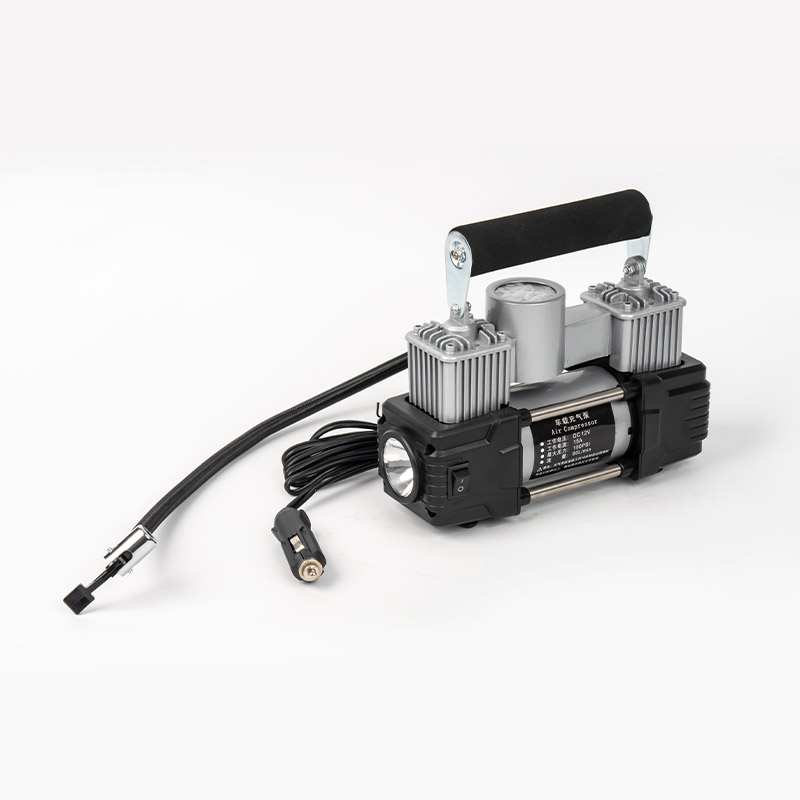
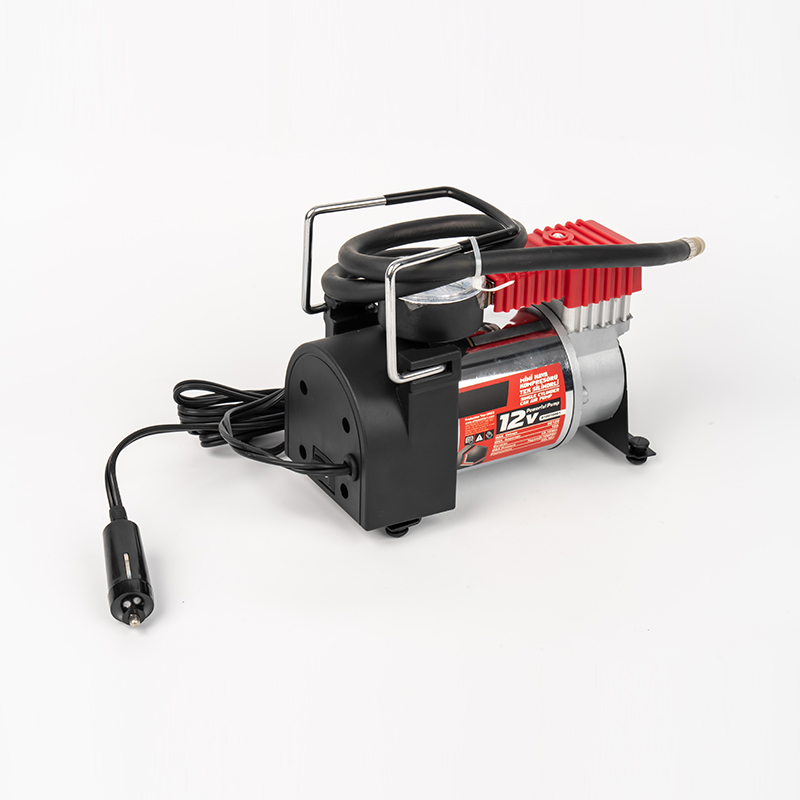
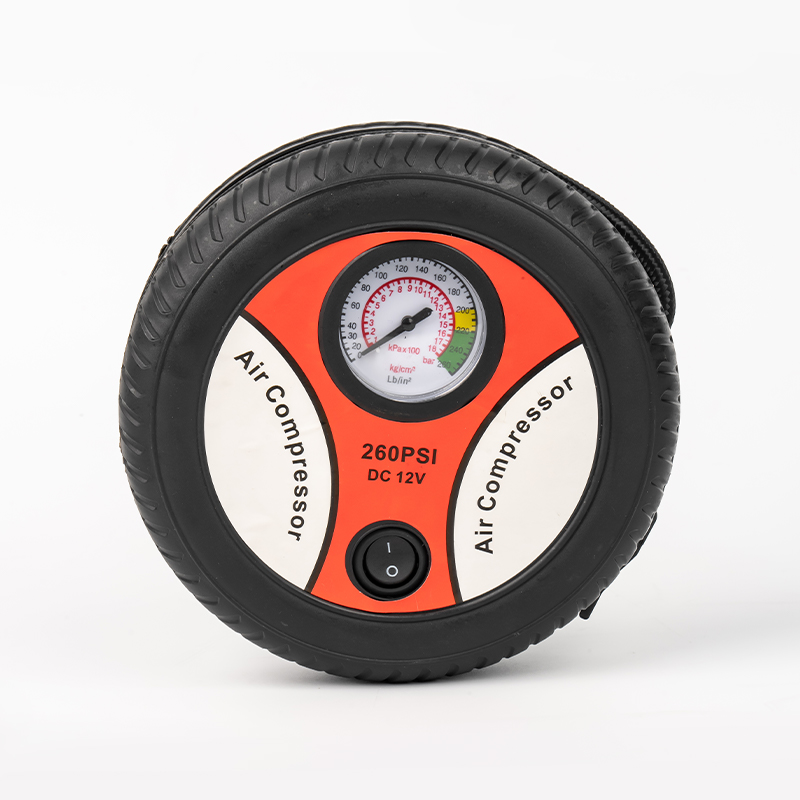
A vehicle air pump, often called a portable tire inflator, is a compact electric compressor designed to run from a car's 12-volt accessory socket or from a rechargeable battery. It converts electrical power into high-pressure airflow, filling a tire quickly and shutting off automatically at a preset pressure. Unlike a bicycle pump, it requires no physical exertion, and unlike a gas station air station, it is available anywhere, anytime.
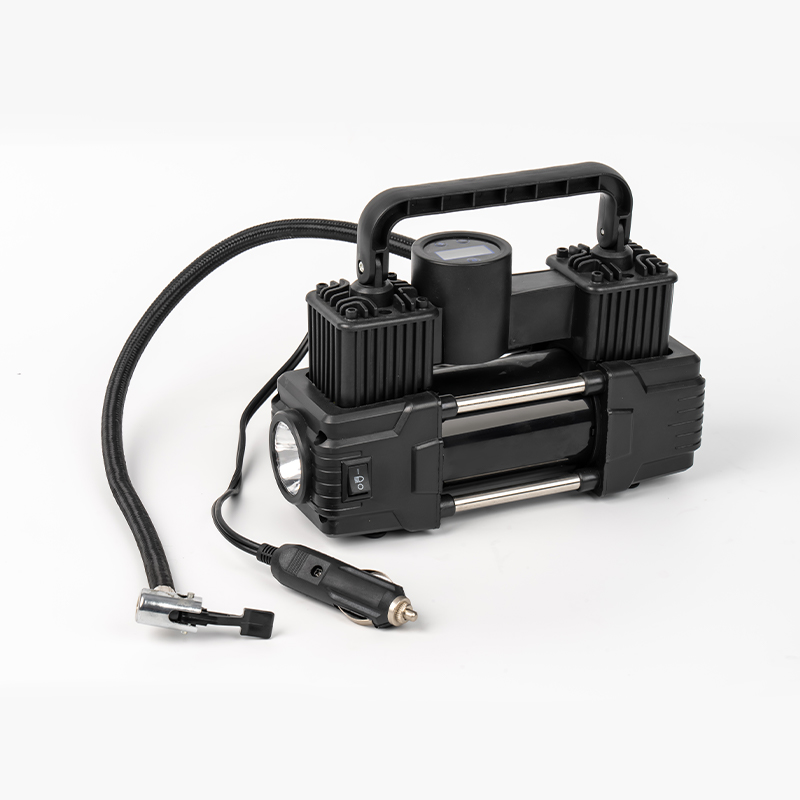
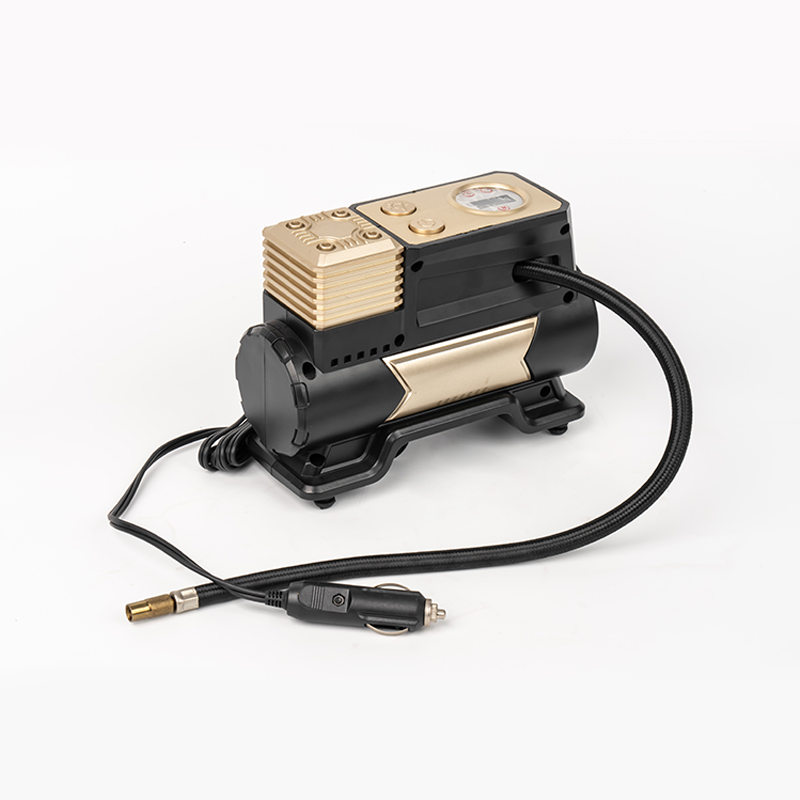
Modern vehicle air pumps feature digital displays accurate to within 0.5 psi, LED lights for nighttime emergencies, and automatic stop functions. The most advanced models can inflate a completely flat passenger tire in under four minutes. A 2023 survey by AAA found that 28% of new cars no longer come with a spare tire; for these drivers, a vehicle air pump combined with a sealant kit is the primary emergency solution.
Choosing the Right Type of Vehicle Air Pump
Selecting a pump depends on your vehicle type, tire size, and intended use. The table below compares the three main categories based on real-world performance data.
| Pump Type | Power Source | Inflation Speed (0-35 psi) | Max Pressure | Best For |
|---|---|---|---|---|
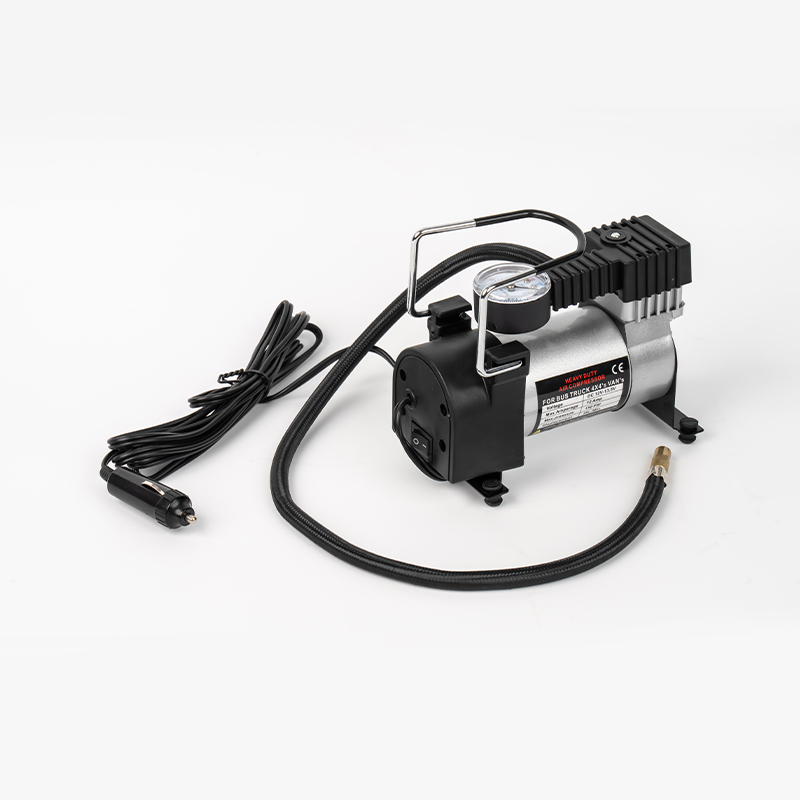
| Corded 12V Direct-Drive | Car cigarette lighter socket | 2 min 50 sec | 100-120 psi | Sedans, hatchbacks, regular top-offs |
| Cordless Rechargeable | Lithium-ion battery | 3 min 40 sec | 120-150 psi | Motorcycles, bikes, no 12V access needed |
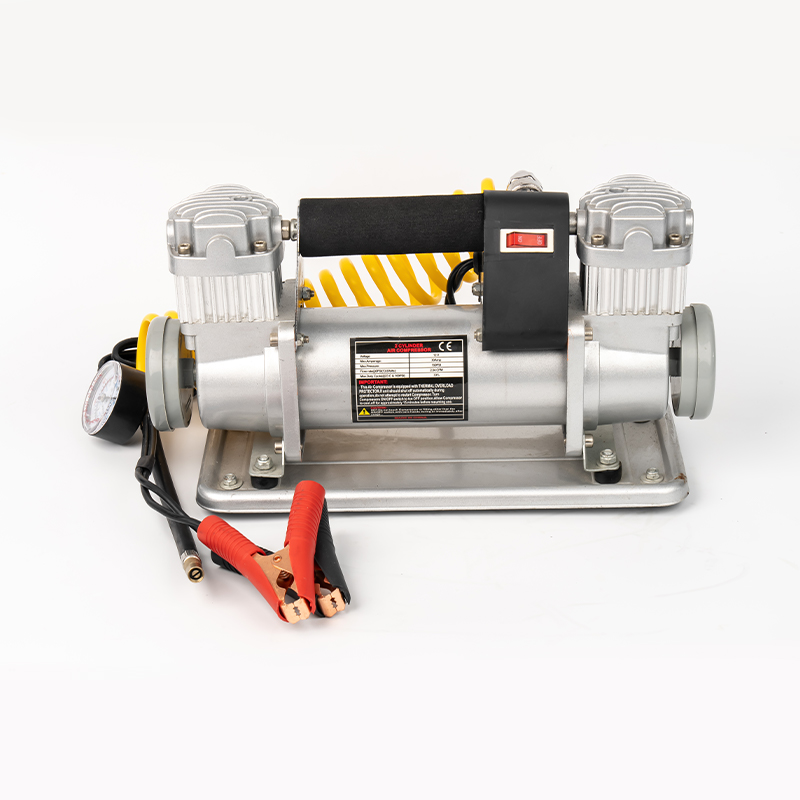
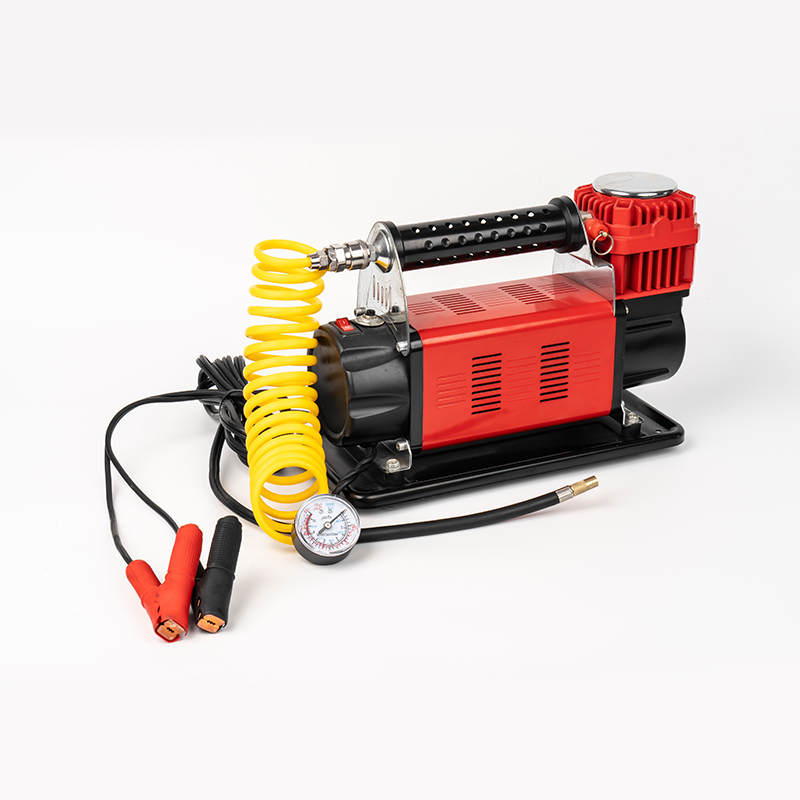
| Heavy-Duty Dual Cylinder | Direct battery clamps | 1 min 20 sec | 150+ psi | Trucks, SUVs, off-road tires |
Table 1: Performance comparison of three vehicle air pump categories based on standardized inflation of a 205/55R16 passenger tire from flat to 35 psi.
Using a Vehicle Air Pump: The Complete Step-by-Step Method
Correct use of a vehicle air pump ensures accurate pressure and prevents damage to the pump or tire. Follow this sequence every time.
Five Steps to Perfect Tire Pressure
- Find the correct pressure. Locate the sticker on the driver's door jamb, not the tire sidewall. A typical sedan requires 32-35 psi. The vehicle air pump's digital gauge should be set to this target.
- Connect the pump when the tire is cold. Tires warm up after driving and can show a false high reading. Wait at least 20 minutes after a long drive, or check before starting the engine in the morning.
- Power the pump correctly. For 12V corded models, start the vehicle's engine to avoid draining the battery. For cordless pumps, ensure the battery is at least 50% charged. Screw the hose firmly onto the valve stem to prevent hissing air leaks.
- Set and start. Enter the desired psi, press start, and let the vehicle air pump run. It will automatically stop at the target pressure. Do not overfill, as excessive pressure reduces traction and causes center tread wear.
- Double-check and stow. Remove the hose quickly to minimize air loss, verify pressure with a separate handheld digital gauge, and store the pump in the trunk. Repeat for all four tires, including the spare if present.
Vehicle Air Pump vs. Gas Station Air: A Direct Comparison
Relying on gas station air introduces uncertainty and hidden costs. A personal vehicle air pump offers superior control and convenience, as shown in the data below.
| Feature | Vehicle Air Pump | Gas Station Air Station |
|---|---|---|
| Availability | 24/7, in your trunk | Limited to station hours, often broken |
| Gauge Accuracy | Digital, accurate to ±0.5 psi | Often inaccurate, uncalibrated analog gauge |
| Cost Over 5 Years | $25-$60 (one-time purchase) | $50-$150 (coin-operated or lost time/fuel) |
| Emergency Readiness | Immediate response to a slow leak | Requires driving on a dangerously flat tire to reach |
| Special Features | Auto-stop, LED light, preset memory | None |
Table 2: Head-to-head evaluation of owning a vehicle air pump versus depending on public inflation stations, factoring in accuracy, lifetime cost, and safety.
How a Vehicle Air Pump Protects Tire Pressure Monitoring Systems
When the TPMS warning light illuminates, a vehicle air pump lets you immediately address the issue. Driving with the light on for more than 10 miles risks damaging the tire's internal structure. A portable pump also prevents the common mistake of overfilling at a gas station to compensate, which can trigger the TPMS light for high pressure and create an equally unsafe condition.
Advanced Scenarios: Vehicle Air Pump Use Beyond the Everyday Commute
A vehicle air pump is not just for routine top-offs. For off-road enthusiasts, a heavy-duty pump can air down tires for sand or rock traction and then reinflate them for highway driving. For electric vehicle owners, maintaining precise pressure is critical for range preservation; the Environmental Protection Agency notes that a 10 psi underinflation across all four tires can cut EV range by up to 4%. A cordless pump that fits in the frunk is an ideal companion.
In cold climates, a vehicle air pump becomes essential. Tires lose about 1 psi for every 10°F drop in temperature. A sudden cold snap can trigger four TPMS warnings simultaneously. With a pump in the car, you can restore pressure in the parking lot in less than 10 minutes, avoiding a trip to the service station on dangerously underinflated tires.
Data-Driven Inflation Speed Examples
Real-world tests from independent automotive laboratories show the time required to add 10 psi to different tire sizes using a standard 12V vehicle air pump rated at 35 liters per minute.
- Compact car (195/65R15): From 25 psi to 35 psi in 1 minute 48 seconds.
- Mid-size SUV (235/55R18): From 28 psi to 38 psi in 2 minutes 35 seconds.
- Light truck (265/70R17): From 30 psi to 40 psi in 3 minutes 10 seconds.
Frequently Asked Questions About Vehicle Air Pumps
Will a vehicle air pump drain my car battery?
A 12V corded pump draws between 10 and 15 amps. Running the engine during inflation ensures the alternator supplies power without depleting the battery. Cordless pumps operate on their own internal battery and have zero impact on the car's electrical system.
How often should I use my vehicle air pump?
Tire pressure should be checked at least once a month and before long trips. Use the vehicle air pump to top off any tire that reads more than 2 psi below the door jamb specification. Consistent monthly use prevents the gradual underinflation that causes hidden damage.
Can a vehicle air pump handle a completely flat tire?
Yes, most portable pumps can inflate a fully deflated passenger tire. However, if the tire has a large puncture or sidewall damage, the pump may not be able to build pressure. In that case, use a sealant or install the spare tire. The pump can then be used to adjust the spare's pressure, as many spares lose air over time.
Is a digital gauge on a vehicle air pump reliable?
Good quality digital pumps are accurate to within 0.5 psi when calibrated. It is wise to cross-check with a separate handheld digital gauge once a month to catch any drift. Avoid relying on the pump's gauge if the unit has been dropped or exposed to extreme heat.
What is the lifespan of a vehicle air pump?
A well-maintained pump can last 5 to 10 years. The most common failure points are the 12V plug fuse and the rubber hose. Keeping the pump clean, storing it in a dry place, and avoiding continuous run times over 10 minutes extend its service life. Battery-powered cordless pumps may require cell replacement after 3-5 years of regular use.
Making the Vehicle Air Pump Part of Your Safety Routine
A vehicle air pump transforms tire maintenance from a chore into a quick, empowering task. Storing it next to the spare tire or in a dedicated trunk organizer ensures it is always within reach. Combined with a monthly pressure check using a reliable gauge, this simple device significantly reduces the risk of blowouts, saves fuel, and extends tire life. The data is unequivocal: the one-time cost of a pump is recovered within a year through reduced fuel consumption and avoided tire replacements, while the safety dividend is priceless.