 English
 Español
 عربى
عربى Türk
TürkContent
- What Is a Portable Air Compressor for Car Tires?
- Three Power Source Types: Which One Really Fits Your Routine?
- Key Specifications That Determine Real-World Performance
- How to Match a Compressor to Your Vehicle Type
- Practical Scenarios: When a Portable Compressor Earns Its Place
- Common Mistakes That Damage Compressors and Tires
- Safety and Maintenance Tips for Long-Term Reliability
- Portable Air Compressor FAQs
What Is a Portable Air Compressor for Car Tires?
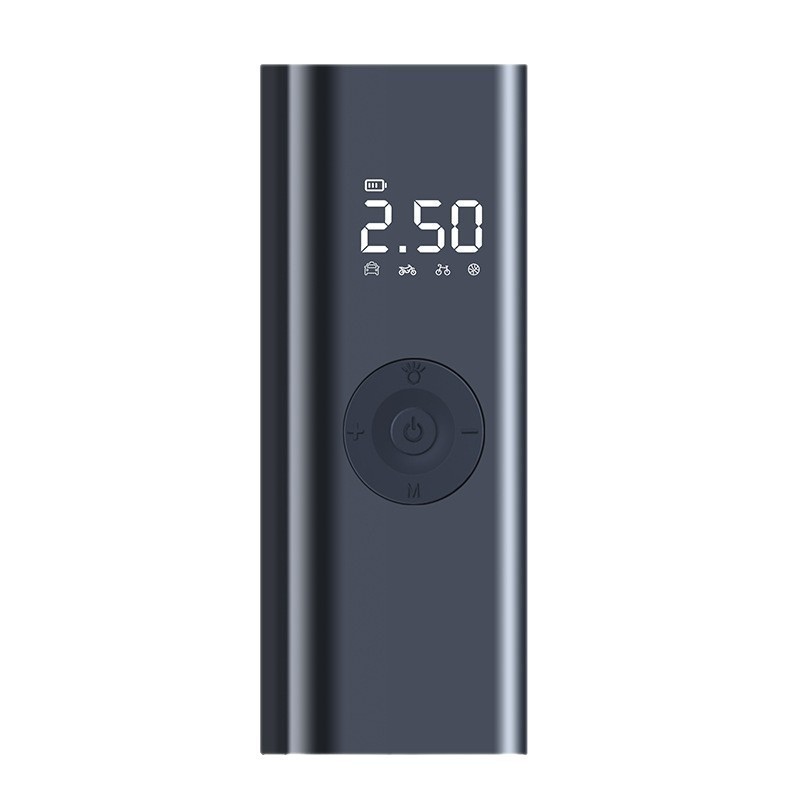
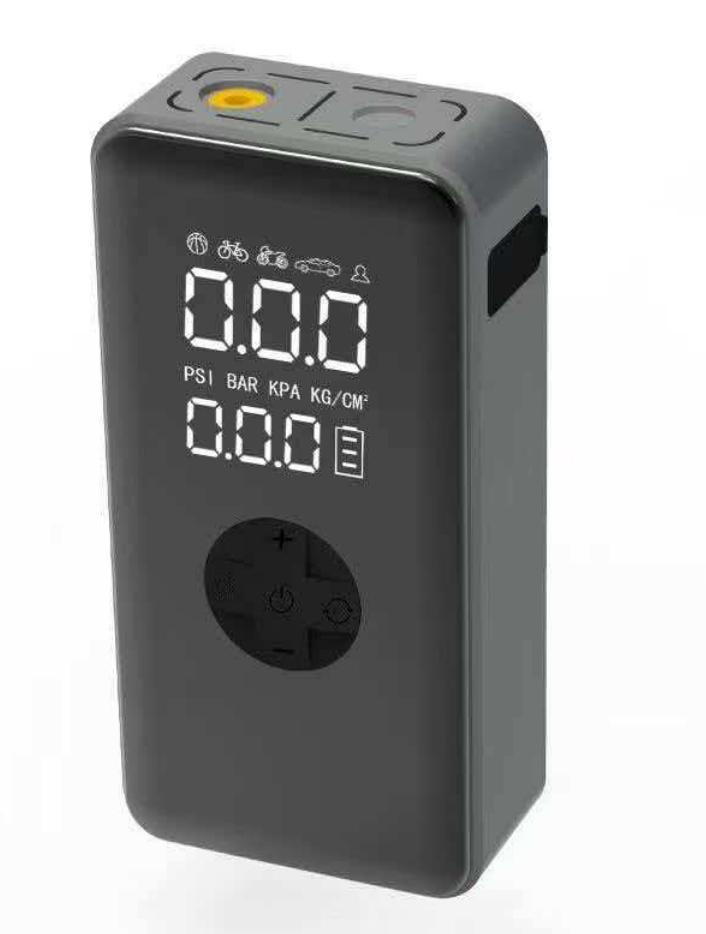
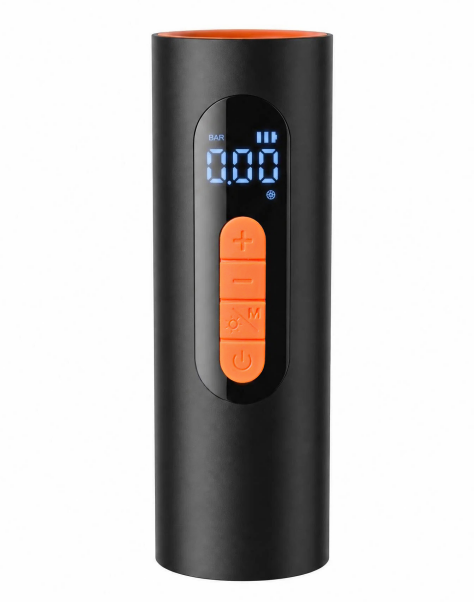
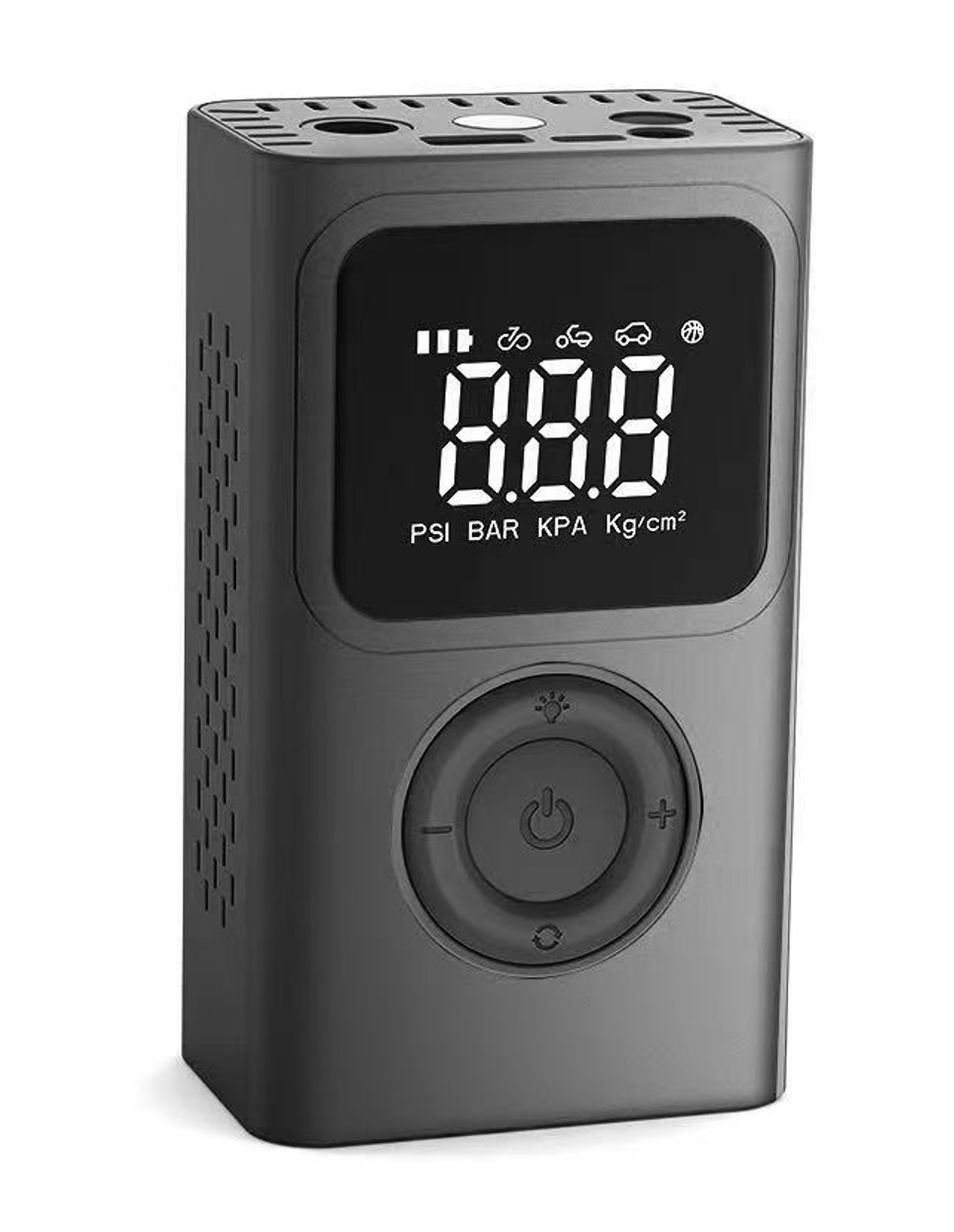
Portable air compressors for car tires are compact, self-contained devices that restore correct tire pressure without a service station. They are small electric pumps that draw power from a 12V socket, a battery clip, or an internal lithium battery, and a good unit reaches at least 120–150 PSI to cover the 30–40 PSI range used by most cars and SUVs.
These devices matter because an underinflated tire increases rolling resistance, cuts fuel economy, and raises the risk of blowouts. With a portable compressor in the trunk, you can top off tires after a temperature change, before a long trip, or just after the TPMS warning appears.
Three Power Source Types: Which One Really Fits Your Routine?
Your first decision should be power source, because it determines inflation speed, portability, and emergency reliability. The table below compares the main options, and the following paragraphs explain what each means in practice.
| Power Source | Pros | Cons | Best For |
|---|---|---|---|
| 12V cigarette lighter | Plug-and-play, no charging, low cost | Slower speed, needs engine running, limited cord reach | Daily commuters and occasional users |
| Direct battery clip | Higher airflow, faster inflation, works in cold weather | Must open the hood, heavier cables | Drivers who want performance and reliability |
| Built-in lithium battery | Cordless, compact, works anywhere | Needs regular charging, output drops if battery is low | Motorcycle, bicycle, urban drivers |
12V cigarette-lighter models remain the most popular because they are simple and cheap. For a dependable 12V option, a single-cylinder design such as the SX203 12V 150 PSI single-cylinder air compressor is compact enough for a toolbox but strong enough for a normal car tire.
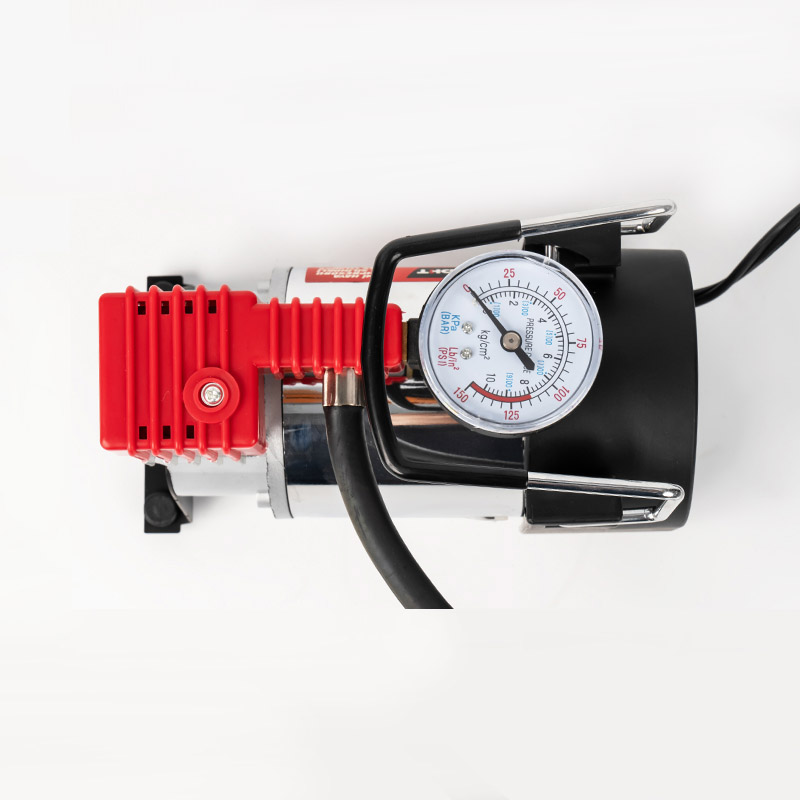 Custom SX-203 Air compressor Suppliers, OEM/ODM Company - Yuyao Shuangxin ElectrAs a China SX-203 Air compressor supplier and SX-203 Air compressor OEM/ODM company, Shuangxin Electrical Appliance Co., Ltd custom SX-20...View Product →
If you need maximum speed, especially in cold weather, a direct battery-clip unit with a double-cylinder pump provides more flow and avoids cigarette-lighter fuse problems. Battery-clip models are also better for large tires because they can run for longer periods without overheating.
Lithium-battery compressors have become genuinely reliable in recent years. For zero cable hassle, the SX301 digital mini air compressor with large battery capacity delivers fast inflation in a glovebox-friendly package. Just remember to top up the internal battery every few months when stored.
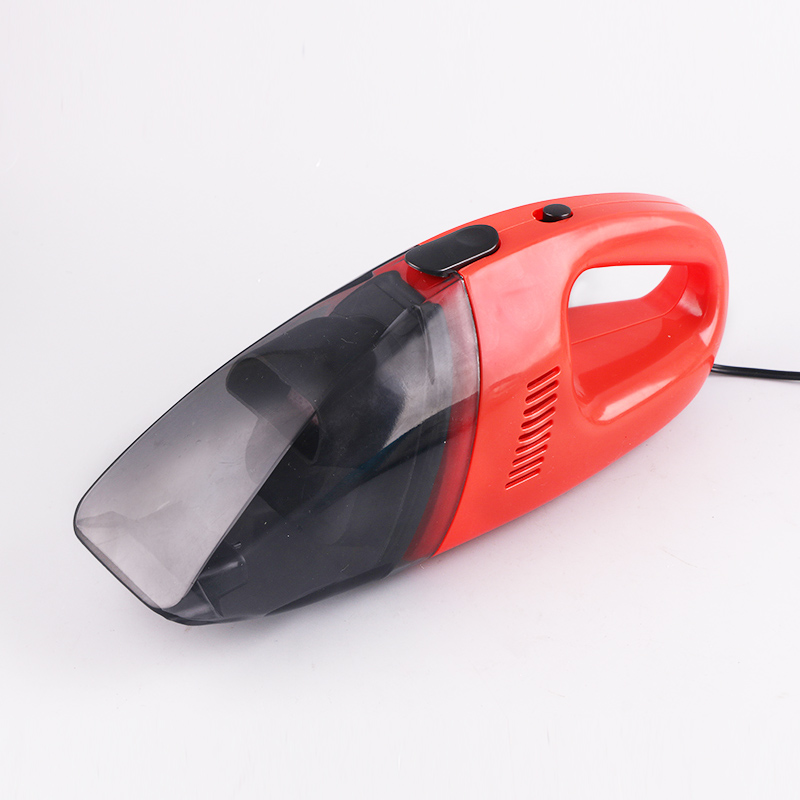 Custom SX-301 Digital mini air compressor, fast inflation and large battery capaAs a China SX-301 Digital mini air compressor, fast inflation and large battery capacity supplier and SX-301 Digital mini air compressor,...View Product →
If you also want emergency jump-starting capability, choose a multifunction unit instead of a separate inflator and jumper; the practical scenarios section highlights when that makes sense.
Key Specifications That Determine Real-World Performance
Maximum PSI and airflow rate are the two numbers that matter most, but accuracy, duty cycle, and hose length are equally important in daily use. A 150 PSI maximum with at least 25–30 L/min measured flow is a solid baseline for passenger cars; large SUVs and trucks benefit from 35 L/min or more.
Before you compare specific models, review the key features to look for in an automotive tire inflator so you do not overlook practical details like gauge placement or hose storage.
Maximum pressure vs. actual flow rate
Maximum pressure is only a ceiling, while flow rate tells you how quickly the air arrives. A compressor rated at 150 PSI but delivering only 15 L/min will feel painfully slow on a large tire, so look for a specification that states flow at 0 PSI and at 30 PSI, not just at maximum pressure.
Pressure gauge accuracy
Gauge accuracy is not negotiable because overinflation is as dangerous as underinflation. A tolerance of +/−1 PSI is acceptable; many analog gauges drift by 3 PSI or more. Digital display models usually give more consistent readings and are easier to read at night.
Duty cycle and overheating
Portable compressors cannot run forever. Most list a 10- to 15-minute maximum run time before a cooling break; exceeding that can damage the piston or burn out the motor. Choose a unit with a thermal cut-off and allow it to cool between tires.
How to Match a Compressor to Your Vehicle Type
The right compressor is mainly determined by your vehicle's tire volume and the target pressure, not by brand or arbitrary “truck” labels. Most 150 PSI portable units can handle any light vehicle if you accept a few extra minutes for large tires.
| Vehicle Type | Typical Tire Pressure | Recommended Minimum Flow |
|---|---|---|
| Motorcycle / compact car | 25–32 PSI | 20 L/min |
| Sedan / hatchback | 30–35 PSI | 25 L/min |
| SUV / crossover | 33–38 PSI | 30 L/min |
| Light truck / van | 35–45 PSI | 35 L/min |
Always trust the pressure value printed on the driver-side door jamb sticker, not the number on the tire sidewall. The sidewall number is the maximum permissible pressure, not the recommended pressure, and using it will make the ride harsh and reduce grip.
Practical Scenarios: When a Portable Compressor Earns Its Place
Owning a portable compressor is most valuable in four situations: winter temperature drops, long road trips, off-road driving, and slow punctures. Let’s look at each briefly.
Cold weather and winter
Air pressure drops by about 1–2 PSI for every 10°F (6°C) of temperature fall, which means your TPMS light can appear overnight. A portable compressor lets you restore the correct cold-tire pressure without driving to a station, and it works even if the station's hose is frozen or missing.
Road trips and long distances
At highway speeds, heat builds up and tire pressure rises several PSI. Checking your baseline pressure before departure with a compressor ensures you start at the right cold pressure, and if you hit a pothole or curb, you can reinflate quickly instead of sitting on the shoulder.
Off-road and remote driving
Off-road drivers often intentionally lower tire pressure for traction on sand, mud, or rocks, then need to reinflate before returning to paved roads. For that specific situation, it is smart to choose the best tire inflator for off-road adventures; a higher-flow compressor will save you a lot of time when airing up multiple tires.
For roadside emergencies where the battery is also dead, a multifunction device such as the SX306 multifunctional wireless inflator and jump starter saves you from carrying two separate tools. It inflates the tire and can then help start the engine, which is a more complete answer to common breakdowns.
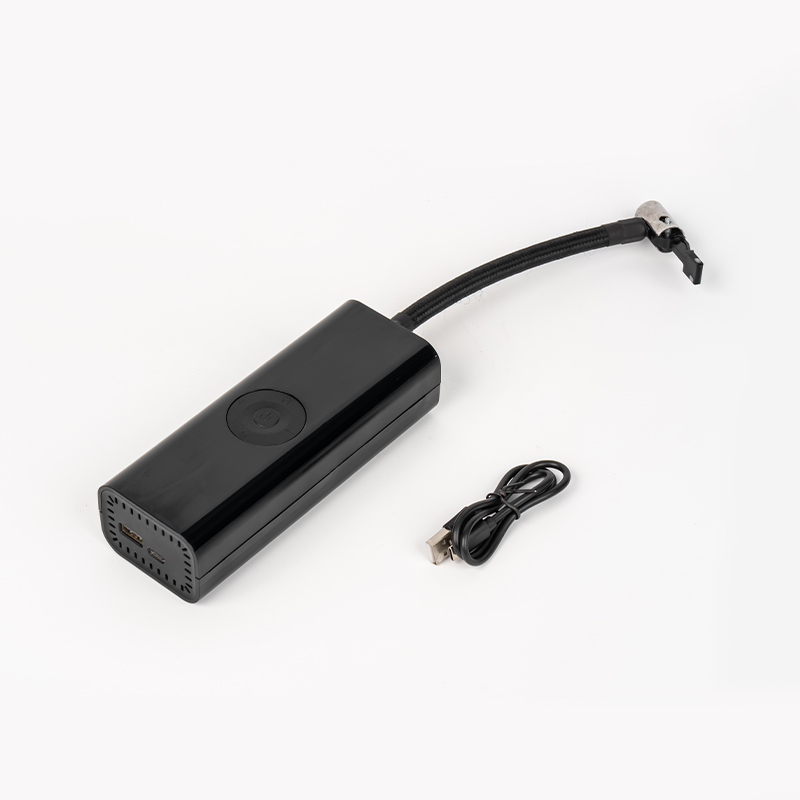 Custom High-performance SX-306 Multifunctional wireless inflator/jump starter deAs a China High-performance SX-306 Multifunctional wireless inflator/jump starter device supplier and High-performance SX-306 Multifuncti...View Product →
Common Mistakes That Damage Compressors and Tires
Most compressor failures come from running the unit too long, inflating to the sidewall number, and using an unreliable power source. Identifying these mistakes before you buy will save money and frustration.
- Running the pump beyond its duty cycle, which may melt the cigarette-lighter plug or trip a thermal breaker.
- Setting the target pressure from the tire sidewall, which is a maximum rating, not the recommended value.
- Using a 12V socket with the engine off, which can drain the car battery.
- Forgetting to secure the valve stem before removing the hose, causing the valve core to bend or break.
You can avoid common mistakes when using an automotive tire inflator by keeping the engine running during inflation and using a separate, calibrated gauge to verify the final pressure.
Safety and Maintenance Tips for Long-Term Reliability
The most important maintenance step is to keep the compressor dry, dust-free, and stored with the hose disconnected. This simple habit prevents moisture from corroding the pump and keeps the valve stem cleaner.
- Inspect the power cord and hose for cracks before each use.
- Store the unit inside the cabin rather than the trunk during extreme heat or cold.
- Lubricate the piston or O-rings only if the user manual says the material requires it.
- Run the compressor for 30 seconds with the hose open after every five uses to expel internal moisture.
- Check the fuse rating before connecting a 12V model, and replace a blown fuse only with the specified ampere value.
These steps cost a few minutes but can extend the service life of a well-made unit to five years or more. If you also carry a vehicle tool kit with a decent jack and wheel wrench, you can handle a broader range of minor road issues.
Portable Air Compressor FAQs
The three questions drivers ask most often are about flat tires, cordless reliability, and service life; the answers below follow directly from the way these compressors are designed.
Can a portable air compressor fill a completely flat tire?
Yes, if the tire bead has not separated from the rim and the compressor has enough flow. Start the engine on a 12V model, attach the hose, and inflate in cycles according to the duty cycle. A flat tire may need 10–15 minutes of total running time, and if the puncture is large, the best the compressor can do is let you reach a nearby shop.
Are cordless tire inflators reliable for emergency use?
Yes, modern lithium units are reliable if you keep the battery charged. A full battery can usually inflate two to four tires before needing a charge, and the digital gauge remains usable at low battery. Check the battery indicator every couple of months and recharge when the charge drops below 50%.
How long do portable air compressors last?
With proper maintenance, a quality unit lasts 5–10 years. The limiting factors are the pump's duty cycle, the condition of internal seals, and whether you ever run it without a cooling rest. Avoiding overheating is the single best way to maximize compressor life.