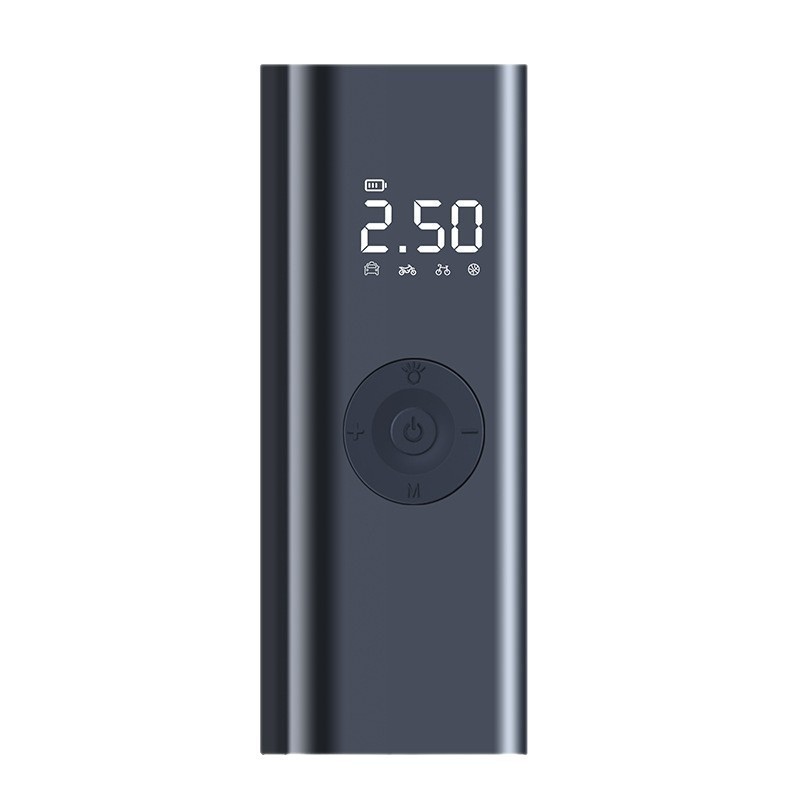
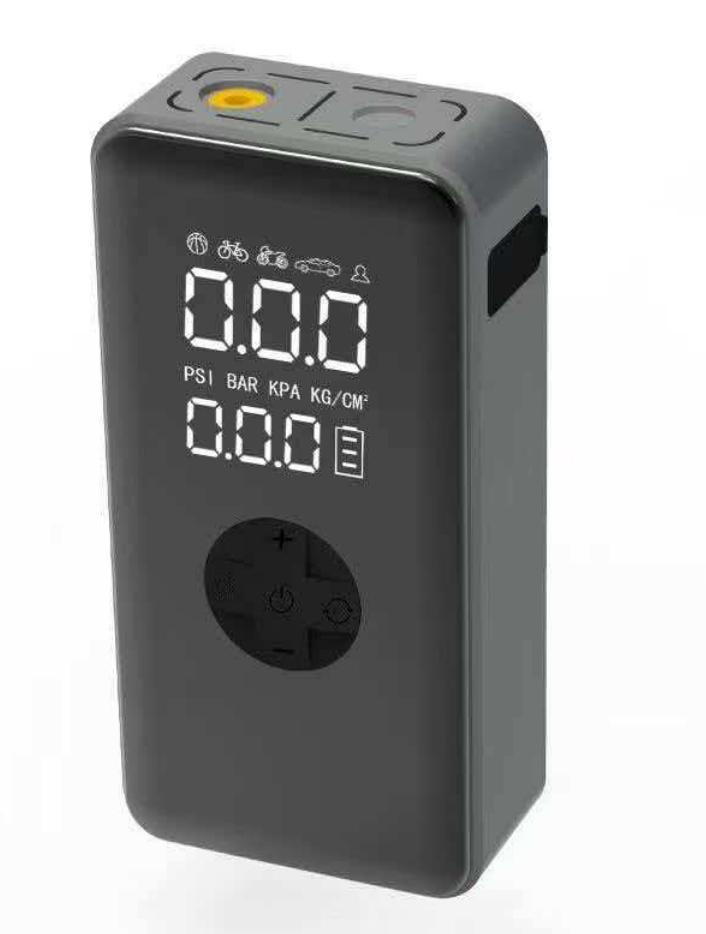
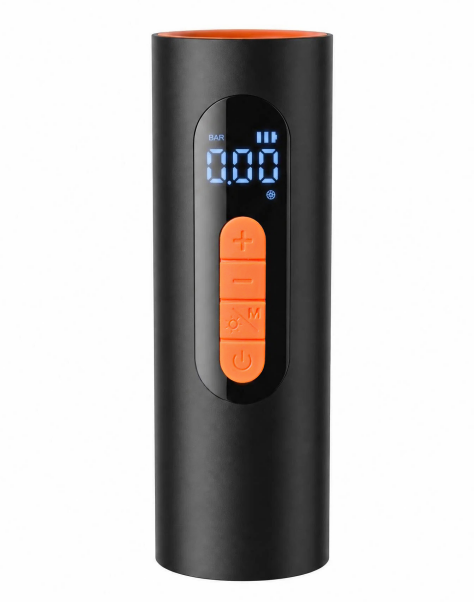
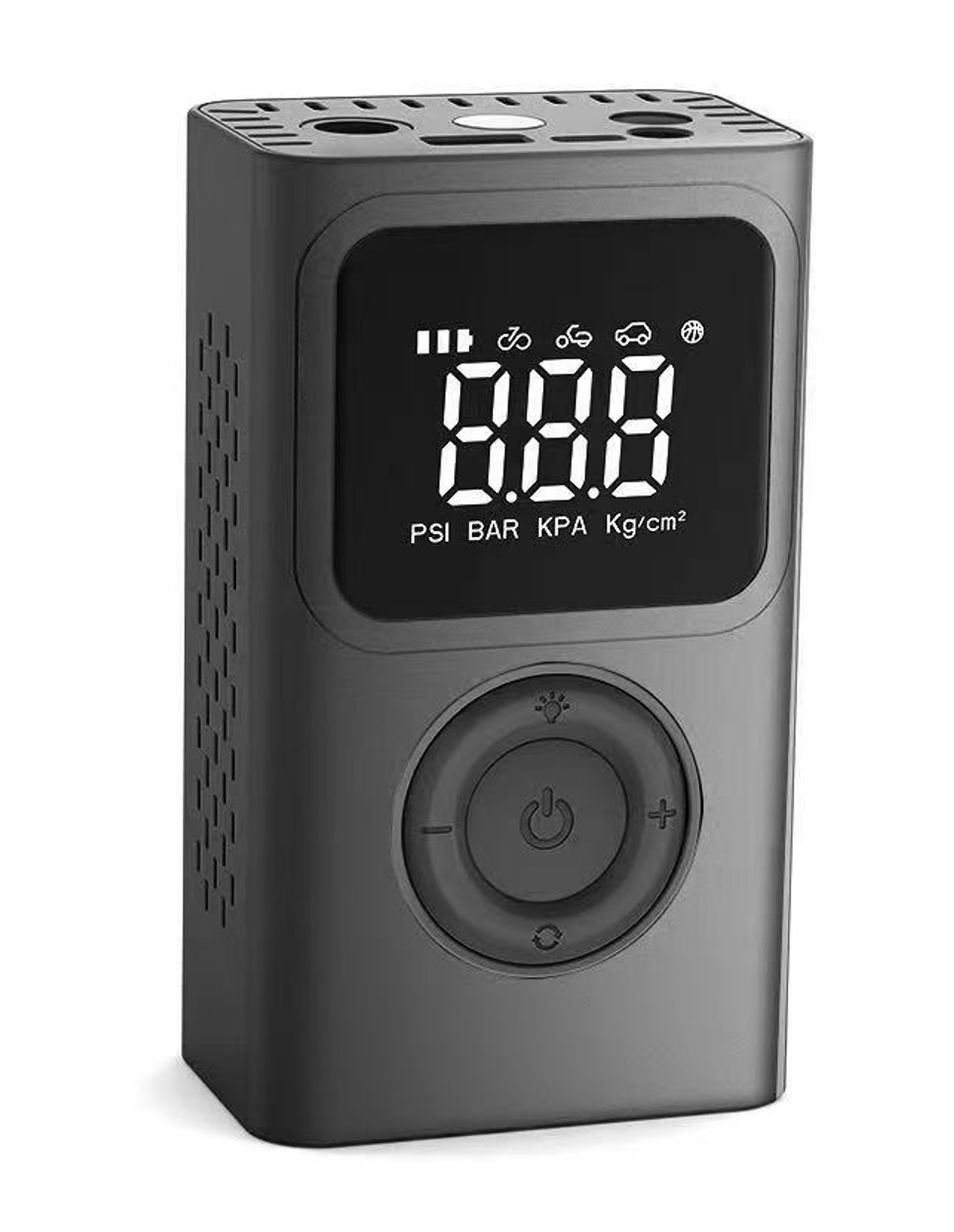
You have just spent the afternoon crawling over rocks or carving through sand dunes, and your tires are aired down to 12 PSI to maximize traction. The trail ends, and the highway is twenty minutes away. This is the exact moment that separates a well-chosen off road portable air compressor from a frustrating roadside wait. The gas station air pump, if one exists nearby, is often broken or requires a steady stream of quarters. The solution is to carry your own reliable air source, but not just any 12V inflator will handle the job of refilling four large tires after a day of airing down.
This guide explains what actually matters when you are comparing portable air compressors for off-road use. Instead of listing brands, we focus on the technical specifications—PSI, CFM, and duty cycle—and translate them into real-world trail recovery times. By the end, you will know exactly which type of compressor fits your vehicle size and your typical terrain.
Why Off-Road Air Compressors Differ from Standard Household Units
The primary task for an off-road compressor is not topping off a slightly low tire. It is recovering from a deliberate air-down. Lowering tire pressure to 12-15 PSI increases the tire's footprint on sand, mud, or snow, which provides the grip needed to keep moving. After the trail, you need to return those tires to 30-35 PSI for safe highway driving. This is a massive volume of air compared to a routine top-up.
A basic single-cylinder inflator rated for occasional car maintenance will struggle here. It may take over ten minutes per tire, and more importantly, it will likely overheat and shut down before you finish the second wheel. This is where the concept of duty cycle becomes critical. If a compressor has a 30% duty cycle, it means it must rest for 7 minutes for every 3 minutes of continuous running. Air up four 35-inch tires, and you will be waiting longer for the compressor to cool down than you did for the air to flow.
For a deeper look at the selection criteria, you can review our guide on how to choose the best tire inflator for off-road adventures.
The Correct Process: Airing Down and Airing Up
Understanding the full workflow helps you buy the right tool. The process starts before you hit the trail and ends only when you are back on pavement.
Step 1: Airing Down
You need an accurate tire pressure gauge. Most off-roaders target 15-18 PSI for general trails and drop to 10-12 PSI for sand or deep mud. The goal is to increase the tire's contact patch without risking the tire slipping off the bead.
Step 2: The Trail
Your compressor stays packed. This is where the weight and size of your unit matter, as it needs to be secured and out of the way during vehicle articulation.
Step 3: Airing Up
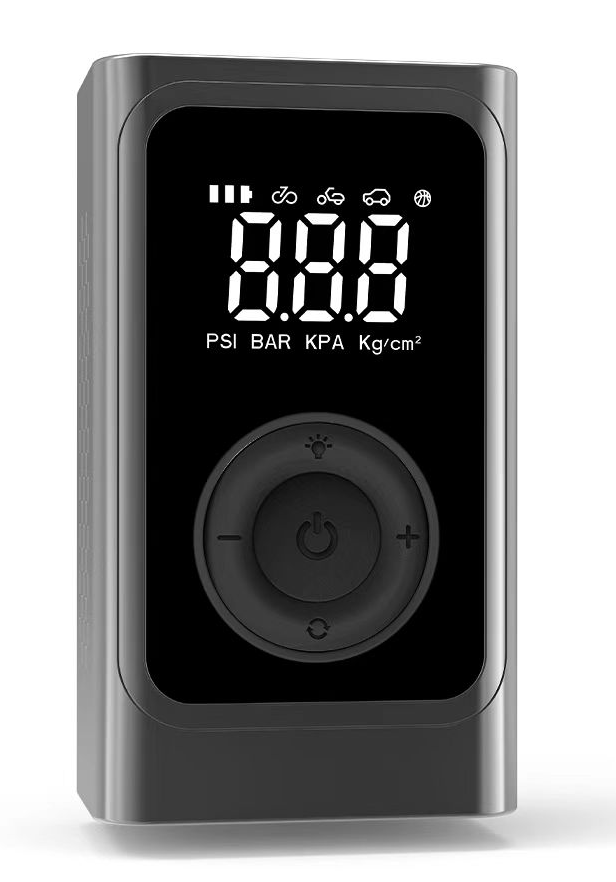
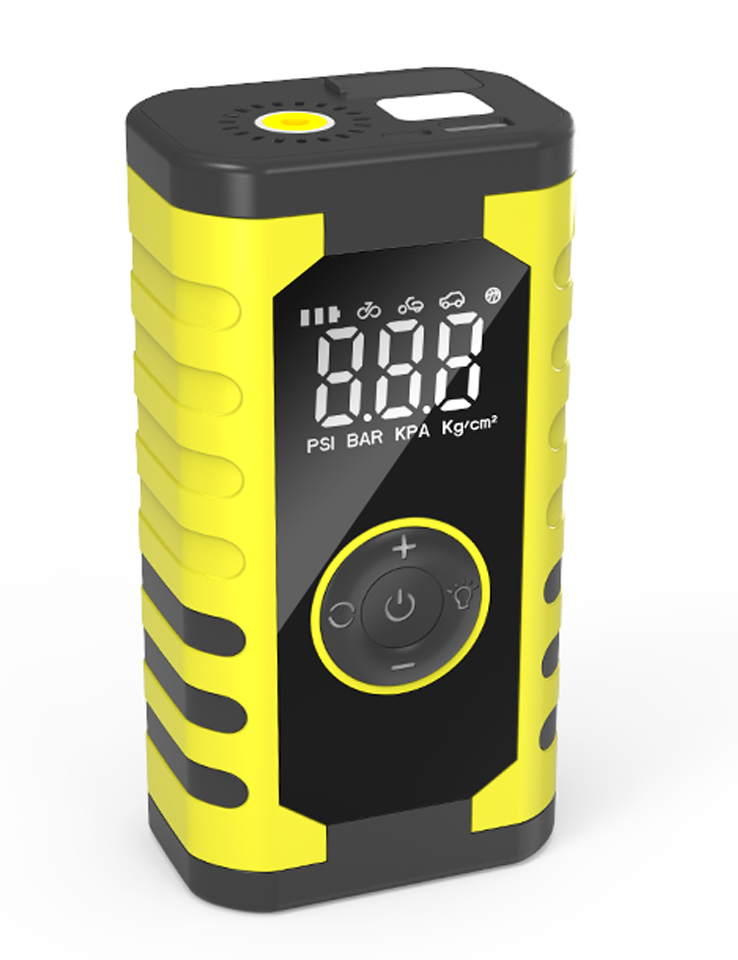
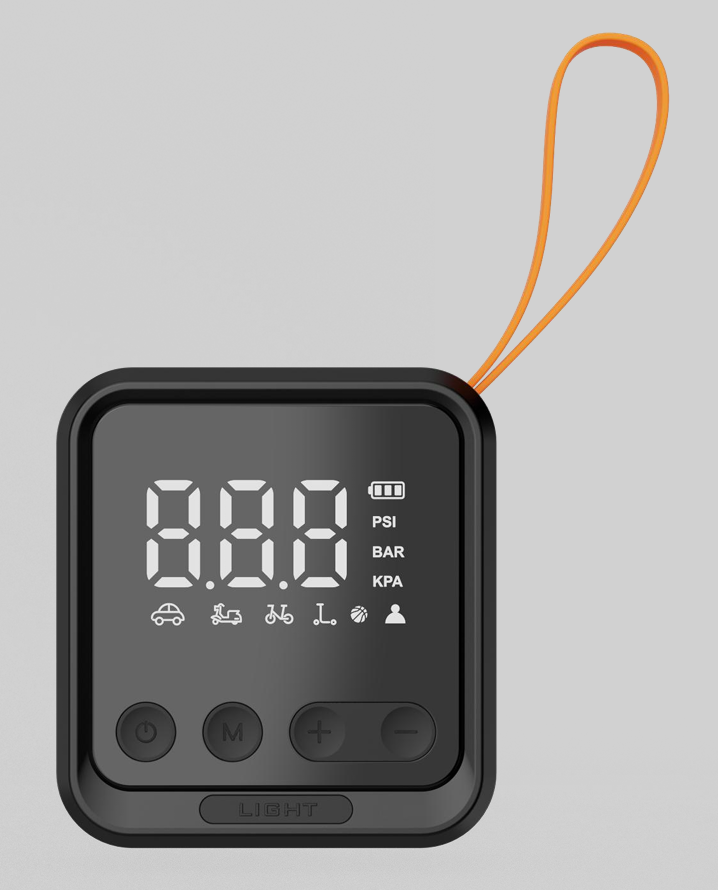
This is where the compressor earns its keep. A digital display with a preset pressure shut-off function is not a luxury here. In dusty or dark conditions, manually checking and stopping at exactly 30 PSI is tedious. A unit that automatically stops at your target pressure prevents over-inflation and lets you move on to the next tire immediately.
Decoding the Core Specs: PSI, CFM, and Duty Cycle
Product pages list specifications, but they rarely explain what those numbers mean for your specific rig. Here is the translation:
- PSI (Pounds per Square Inch): This is the maximum pressure the tank or unit can output. Nearly all portable units exceed the 35-40 PSI required for passenger and light truck tires. A 100 PSI rating is more than sufficient for tire inflation. The limiting factor is rarely PSI.
- CFM (Cubic Feet per Minute): This is the air flow rate, and it is the number that dictates your waiting time. A higher CFM at the specific pressure you need (around 30 PSI) translates directly to faster inflation. For large tires, a dual-cylinder design significantly increases CFM compared to a single piston.
- Duty Cycle: This is the percentage of time a compressor can run in a given 10-minute window. For off-road use where you need to fill four tires consecutively, a 100% duty cycle is ideal. If a unit is rated at 50%, it runs for 5 minutes and requires 5 minutes of rest. If your tire takes 4 minutes to fill, you are close to the limit on the first tire.
The 6 Key Dimensions for Evaluating a Portable Off-Road Compressor
Use this checklist when comparing models. It covers the practical aspects that determine satisfaction on the trail.
- Inflation Speed (CFM): Set a baseline. For a 35-inch tire going from 12 to 30 PSI, aim for a unit that does this in 3-4 minutes. Check the CFM rating at 30 PSI, not just the max CFM.
- Duty Cycle and Thermal Protection: Confirm the unit can run continuously or near-continuously. A thermal cutoff switch is essential to prevent damage, but it should not be the reason you stop working.
- Portability and Storage: Look at the form factor. A hard-shell case with a tidy hose wrap is easier to secure. Read more about how portable automotive tire inflators are for on-the-go use.
- Power Source: A 12V cigarette lighter plug is fine for smaller units on a stock SUV. For higher current demands of a dual-cylinder unit, battery clamps that connect directly to the terminals are more reliable and avoid blowing a fuse.
- Digital Preset and Auto Shut-Off: This feature removes guesswork. It is particularly valuable when inflating a trailer tire or a buddy's rig to a specific PSI.
- Accessories and Extras: Check for multiple nozzles, a long hose, and spare fuses. If you also inflate air mattresses or paddle boards, a compatible adapter is a plus.
Inflation Time Reference by Common Tire Sizes
Tire size is the single biggest variable determining how long you will wait. A smaller tire requires a fraction of the air volume of a heavy-duty 35-inch tire. The following table provides a general reference for the time it takes to air up from 15 PSI to 30 PSI, assuming a compressor with a moderate dual-cylinder output.
Approximate air-up times for different tire sizes (for reference, actual times vary by compressor output).
| Tire Size Category |
Common Examples |
Time per Tire (approx.) |
| Light Truck / SUV |
265/70R17, 31" |
1.5 – 2.5 minutes |
| Standard Off-Road |
33" |
2.5 – 3.5 minutes |
| Large Off-Road |
35" |
3.5 – 5 minutes |
| Heavy / Baja |
37" – 39" |
5+ minutes |
For larger tires (33-inch and up), the difference between a single-cylinder and a dual-cylinder pump becomes stark. The dual-cylinder design increases air output, which is why we offer a specific portable double-cylinder compressor series aimed at reducing your wait time.
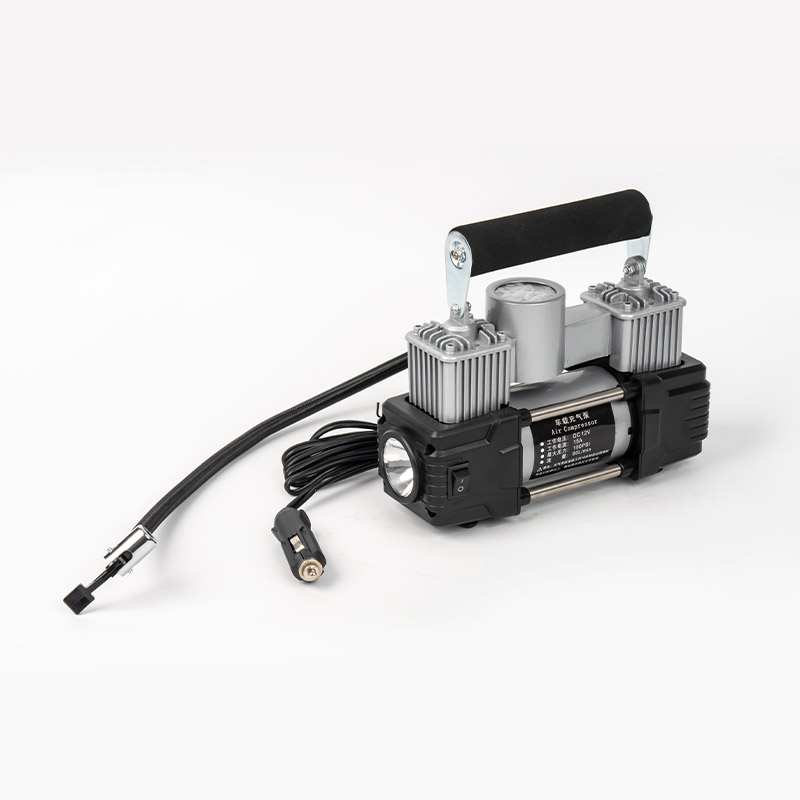 Portable Tyre Inflator, Double Cylinder Air Compressor ManufacturerAs China portable tyre inflator manufacturer manufacturers and portable double cylinder air compressor factory, Yuyao Shuangxin Electrica...View Product →
Comparing Compressor Types: Single-Cylinder, Dual-Cylinder, and Battery-Powered
Your choice depends on your vehicle, your typical tire size, and how often you air down. There is no single "best" type, only the best fit for your use case.
Single-Cylinder Compressors
These are the lightest and most affordable. They are perfectly adequate for daily pressure checks and for vehicles with tires up to 31 inches. For a full-size truck with 35-inch tires, they will be slow, and you will likely need to pause between tires to let the unit cool down.
Dual-Cylinder Compressors
This is the sweet spot for most serious off-roaders. They are also known as portable double-cylinder air compressor with battery clip. They offer significantly higher CFM, providing faster inflation. The battery clip power connection ensures a stable power supply, which is essential for continuous operation. They are heavier and take up more space, but the time saved is substantial.
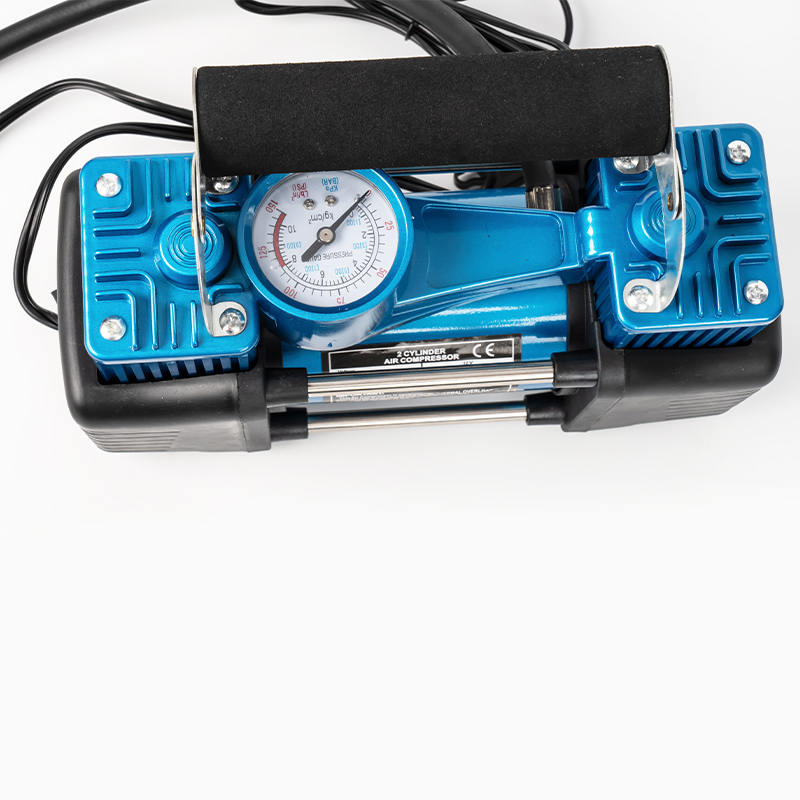 Custom SX-201 Double cylinder air compressor + toolbox Suppliers, OEM/ODM CompanAs a China SX-201 Double cylinder air compressor + toolbox supplier and SX-201 Double cylinder air compressor + toolbox OEM/ODM company, ...View Product →
Lithium Battery Wireless Compressors
These are the most portable and convenient for emergency use, motorcycles, or ATVs. They are also a great complement to a dual-cylinder unit for a quick top-up. However, they are limited by battery capacity and are not ideal for filling multiple large tires from 12 PSI in one session. For a lightweight solution, consider a digital mini air compressor with large battery capacity, which is easy to store anywhere.
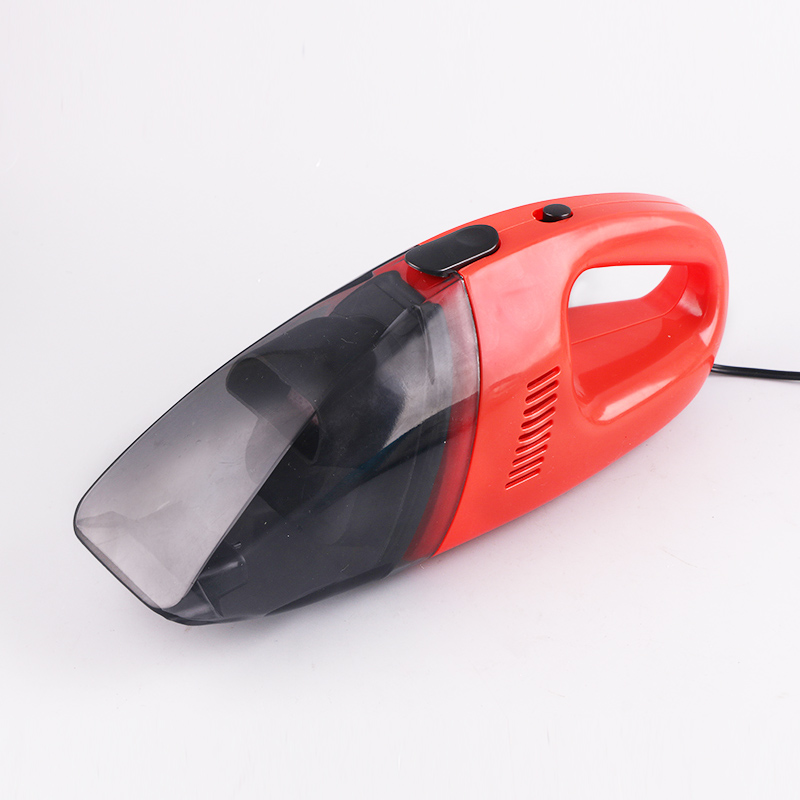 Custom SX-301 Digital mini air compressor, fast inflation and large battery capaAs a China SX-301 Digital mini air compressor, fast inflation and large battery capacity supplier and SX-301 Digital mini air compressor,...View Product →
Is It Time to Upgrade Your Existing Air Pump?
If you already own a basic inflator, you might wonder if a dedicated off-road unit is worth the investment. Here are clear signals that your current equipment is a bottleneck:
- The unit is hot to the touch and noticeably slows down after filling one tire.
- It shuts off or trips a thermal breaker before you finish the second tire.
- It takes more than 6-7 minutes to air up a single 33-inch tire.
- You often need to air up a companion's vehicle on group runs.
On the other hand, if you drive a compact SUV with modest tires and only air down to 20 PSI for light dirt roads, a high-quality single-cylinder unit might be all you need. The decision comes down to the frequency of your trips and the volume of air you must move.
Maintenance and Usage Tips for the Trail
An off-road compressor operates in harsh conditions. Dust, mud, and vibration are its enemies. To ensure it works when you need it, follow these practices:
- Always connect the air chuck securely to the valve stem before starting.
- Avoid running the compressor for long periods while the vehicle engine is off, as this can drain the battery.
- Regularly clean the cooling fins and air intake filter. Sand and dust restrict airflow and cause overheating.
- Store the unit in a dry place, ideally in its case, to prevent debris from entering the pump cylinder.
For specific advice on extreme conditions, review our insights on keeping your tire inflator working in harsh environments.
Final Buying Recommendations
Choosing the right off road portable air compressor is a logical process. First, confirm your tire size and the lowest PSI you typically air down to. This defines your CFM and duty cycle requirements. If you drive a heavy rig, prioritize a dual-cylinder unit with battery clamps and a high duty cycle. If you are an occasional overlander with a mid-size SUV, a single-cylinder or even a high-capacity lithium unit may suffice.
Next, check the power source and portability. A unit that is a hassle to carry will be left at home. Finally, select a model with a digital preset function for precision and convenience. These decisions will get you back on the highway faster, no matter what the trail throws at you.

 English
 Español
 عربى
عربى Türk
Türk