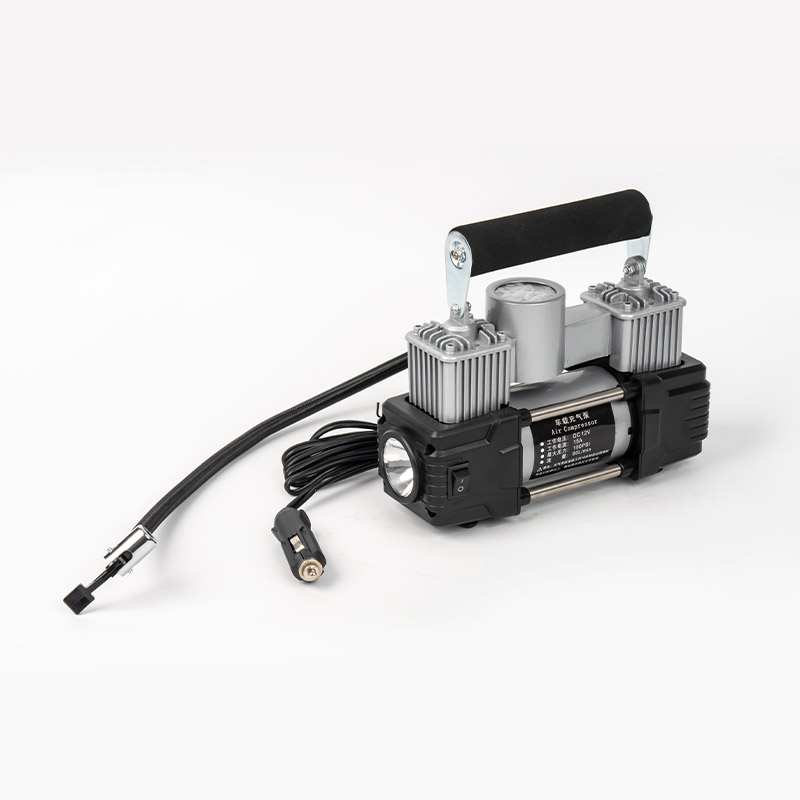
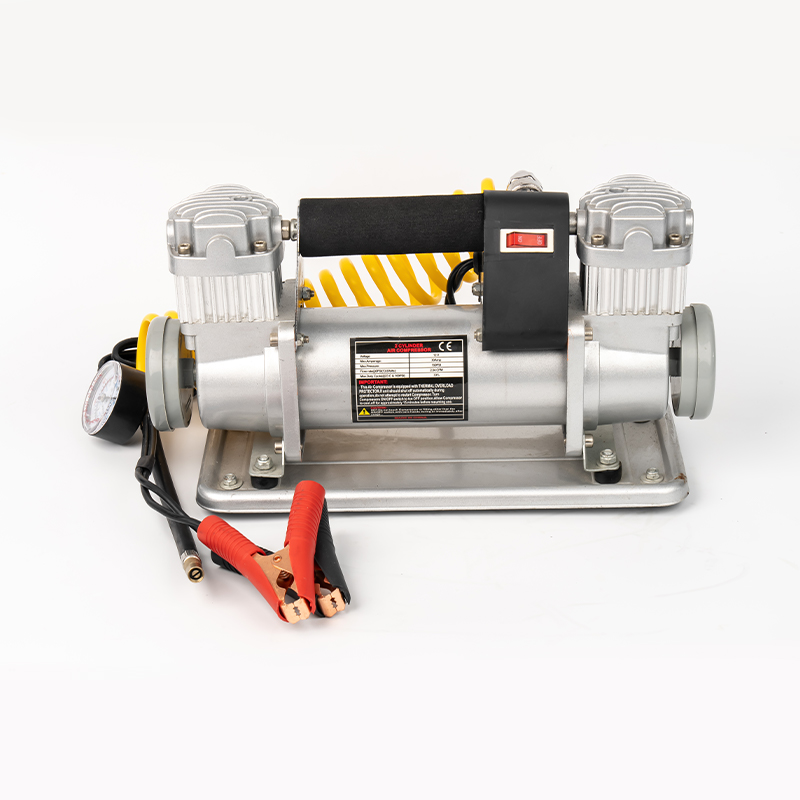
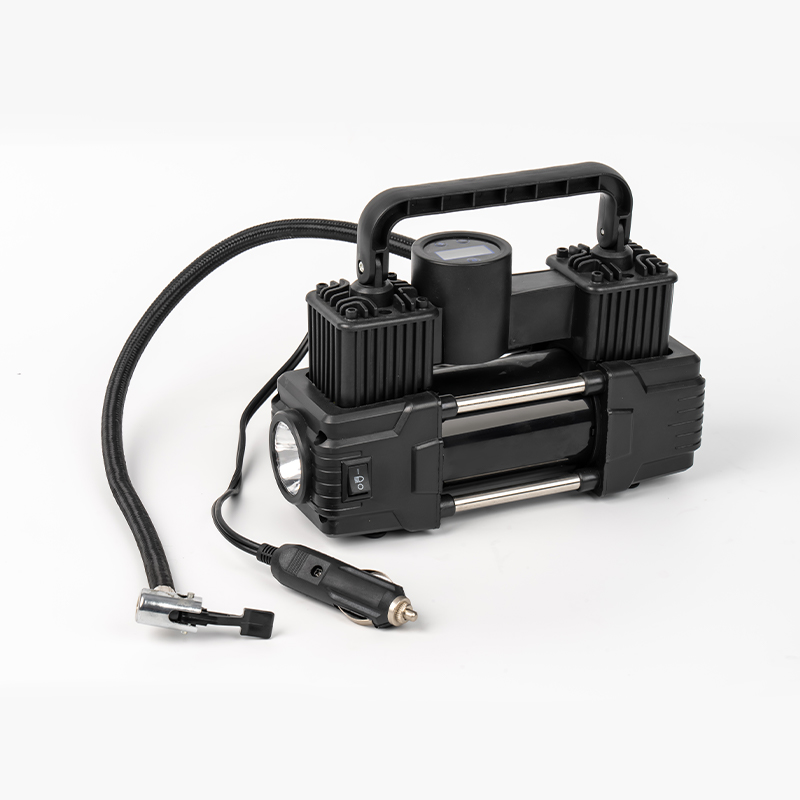
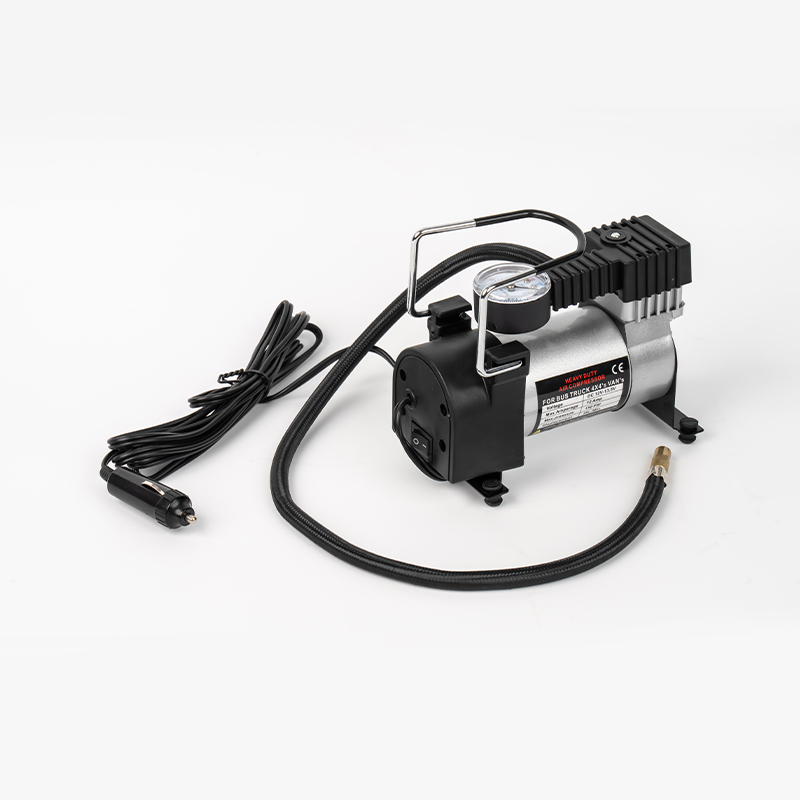
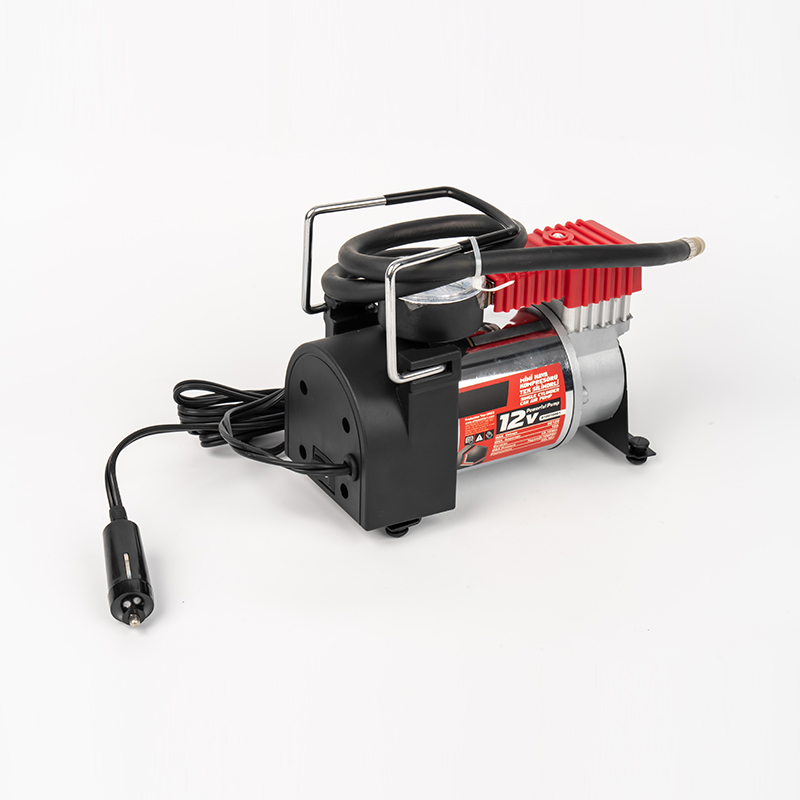
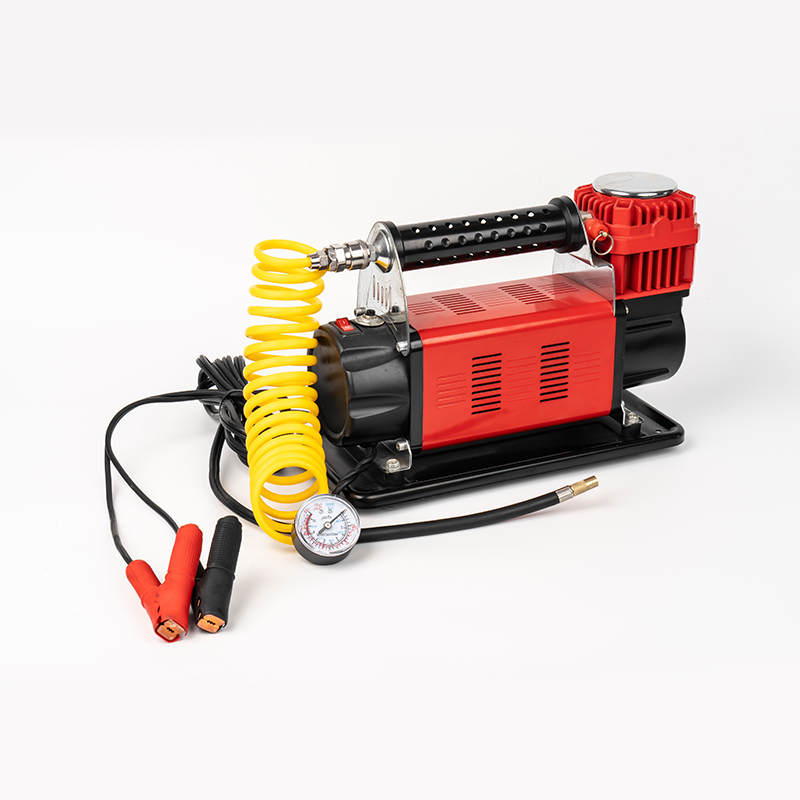
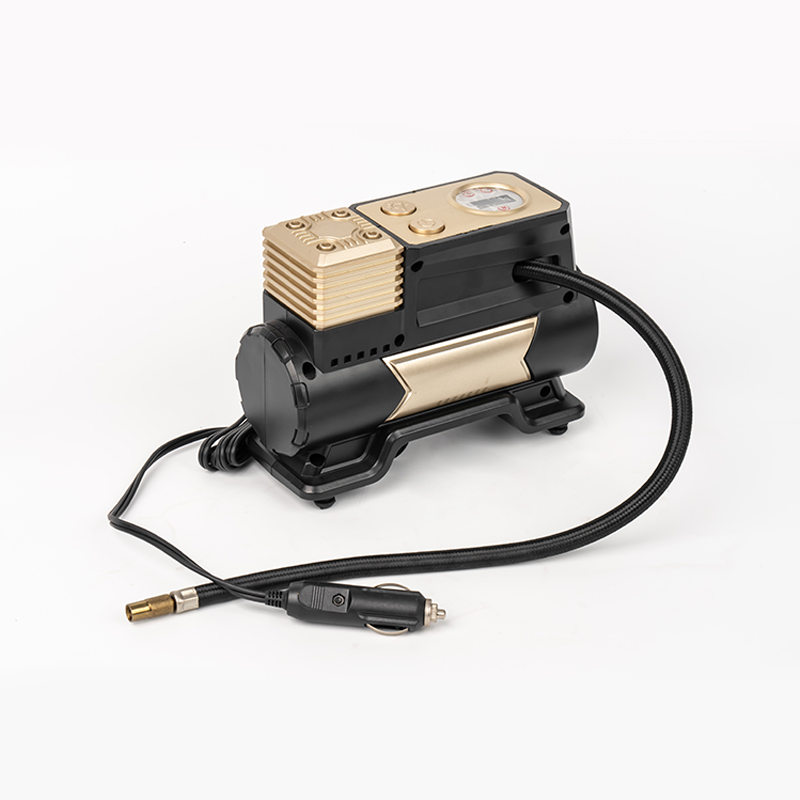
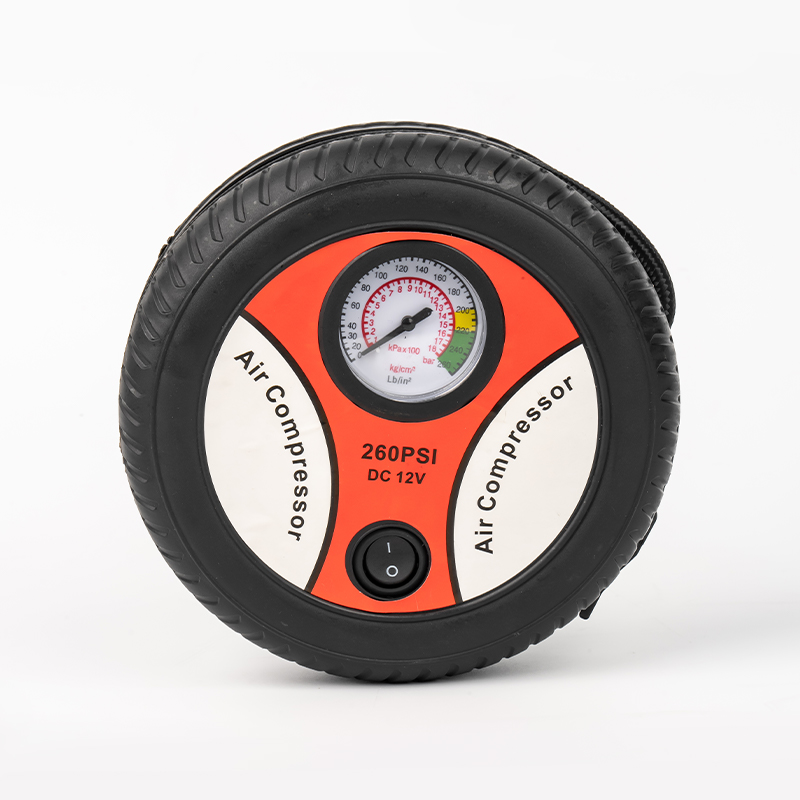
Short answer: Modern vehicle air compressors are highly efficient for tire inflation — capable of inflating a standard passenger tire from 25 PSI to 35 PSI in 3–6 minutes, making them a practical, portable, and cost-effective solution for both emergency and routine tire maintenance.
Whether you're dealing with a slow leak on a highway or performing routine tire maintenance at home, a vehicle air compressor offers a compelling blend of convenience, speed, and portability. But how do they truly stack up when it comes to efficiency? This article takes a deep dive into performance benchmarks, real-world use cases, key features to look for, and frequently asked questions — so you can make an informed decision.
What Makes a Vehicle Air Compressor Efficient?
Efficiency in a vehicle air compressor is measured across several dimensions: inflation speed, maximum pressure output (PSI), airflow rate (CFM — cubic feet per minute), power source, duty cycle, and portability. A compressor that excels across all these metrics is considered highly efficient for tire inflation tasks.
Key Efficiency Metrics Explained
- PSI (Pounds per Square Inch): Indicates the maximum pressure output. Most passenger tires require 30–35 PSI; truck or SUV tires may need up to 50–80 PSI.
- CFM (Cubic Feet per Minute): Measures the volume of air delivered. Higher CFM means faster inflation.
- Duty Cycle: Refers to how long the compressor can run before needing to cool down. A 100% duty cycle means continuous operation.
- Power Source: 12V DC (car outlet), direct battery clamp, or AC power — each affects speed and portability differently.
- Noise Level: Measured in decibels (dB). Quieter models are more user-friendly, especially in residential areas.
Types of Vehicle Air Compressors: A Side-by-Side Comparison
Not all vehicle air compressors are created equal. The type you choose significantly impacts how efficiently it handles tire inflation. Below is a comprehensive comparison of the three main categories:
| Type |
Max PSI |
Inflation Speed |
Portability |
Best For |
Price Range |
| 12V Portable Inflator |
100–150 PSI |
3–8 min/tire |
⭐⭐⭐⭐⭐ |
Emergency, everyday use |
$25–$80 |
| Cordless/Battery-Powered |
120–150 PSI |
4–10 min/tire |
⭐⭐⭐⭐⭐ |
Off-road, remote areas |
$60–$150 |
| Tank-Style (AC-Powered) |
150–200+ PSI |
Under 2 min/tire |
⭐⭐ |
Garage, workshop use |
$100–$500+ |
| Direct-Drive Heavy Duty |
200+ PSI |
Under 3 min/tire |
⭐⭐ |
Trucks, fleets, commercial |
$200–$1,000+ |
* Inflation speed based on a standard 205/55R16 passenger tire from 25 PSI to 35 PSI under typical conditions.
Real-World Performance: How Fast Do They Inflate Tires?
In controlled performance tests, a quality portable vehicle air compressor running at 150 PSI with a 35 L/min flow rate inflated a completely flat standard passenger tire (195/65R15) to 32 PSI in approximately 5 minutes and 20 seconds. Here's how various tire types compare:
| Tire Type |
Recommended PSI |
Avg. Inflation Time (Portable) |
Avg. Inflation Time (Tank) |
| Compact / Sedan Tire |
30–35 PSI |
3–5 min |
1–2 min |
| SUV / Crossover Tire |
35–40 PSI |
5–8 min |
2–3 min |
| Light Truck Tire |
50–65 PSI |
8–15 min |
3–5 min |
| Bicycle Tire |
80–120 PSI |
1–2 min |
<1 min |
| Motorcycle Tire |
28–42 PSI |
2–4 min |
1–2 min |
Top Features That Boost Compressor Efficiency
When evaluating a vehicle air compressor, efficiency isn't just about speed — it's also about accuracy, safety, and convenience. The following features distinguish a high-efficiency model from a basic one:
1. Auto Shut-Off (Preset PSI)
Auto shut-off technology allows you to preset your desired tire pressure. Once reached, the compressor stops automatically — preventing over-inflation and saving energy. This feature alone improves both safety and operational efficiency dramatically.
2. Digital Pressure Gauge
Digital gauges display real-time PSI readings with precision (typically ±1 PSI accuracy), making it far easier to hit your target pressure than analog alternatives. Some models include backlit displays for nighttime use — an essential feature for roadside emergencies.
3. Thermal Protection & Duty Cycle Management
High-quality vehicle air compressors include built-in thermal overload protection that shuts the unit down if it overheats — protecting both the motor and your tires. Models with a high or 100% duty cycle can inflate all four tires without a cooling break.
4. Extended Power Cord & Hose Length
A cord of at least 10 feet and an air hose of 16–20 feet allow you to comfortably reach all four tires from a single connection point — maximizing convenience and reducing setup time.
5. Multiple Nozzle Adapters
Versatile compressors come with multiple valve adapters (Schrader, Presta, and needle valves) — enabling efficient inflation of car tires, bicycle tires, sports balls, inflatable toys, and more, without purchasing separate tools.
Vehicle Air Compressor vs. Gas Station Air Pump: Which Is More Efficient?
Many drivers still rely on gas station air pumps for tire inflation. But how do they compare to owning a dedicated vehicle air compressor?
| Factor |
Vehicle Air Compressor |
Gas Station Air Pump |
| Availability |
Anytime, anywhere |
Station hours, limited locations |
| Accuracy |
High (digital gauge, auto shut-off) |
Variable (often poorly calibrated) |
| Cost Over Time |
One-time purchase ($25–$150) |
$1–$2 per session (recurring) |
| Speed |
Comparable or better (3–8 min) |
Usually faster (high-volume) |
| Convenience |
Extremely high — in-car use |
Requires driving to station |
| Emergency Use |
Excellent — immediate access |
Not available roadside |
The verdict is clear: for frequent drivers, off-road enthusiasts, and anyone prioritizing preparedness, a dedicated vehicle air compressor offers superior long-term value and real-world utility.
How to Maximize the Efficiency of Your Vehicle Air Compressor
Even the best vehicle air compressor performs below its potential if used incorrectly. Follow these best practices:
- Check tire pressure when tires are cold — heat from driving expands air and gives a falsely elevated reading.
- Refer to the vehicle door placard — not the tire sidewall — for the correct recommended PSI.
- Keep the compressor and hose connections clean and tight — loose fittings cause air leaks and longer inflation times.
- Store the compressor properly — avoid extreme heat or cold in your trunk, which can degrade seals and reduce motor life.
- Respect the duty cycle — allow your compressor to cool between tires if required, particularly for models with a 30–50% duty cycle rating.
- Inspect hoses and fittings regularly for cracks or wear that can reduce pressure delivery efficiency.
Energy Efficiency: What's the Power Draw?
A typical 12V vehicle air compressor draws between 10–30 amps from a car's electrical system, which translates to roughly 120–360 watts of power. Running one for 5 minutes to inflate a single tire uses less than 0.03 kWh of energy — a negligible cost. Cordless models use 18V–20V lithium-ion batteries and can typically inflate 4–6 tires on a single charge, depending on battery capacity (typically 2–4 Ah).
AC-powered garage compressors, while faster, consume significantly more energy (750W–2,000W), but they compensate through drastically shorter run times per tire.
Frequently Asked Questions (FAQ)
Q: Can a vehicle air compressor inflate a completely flat tire?
Yes, but with caveats. If the tire lost air due to a slow leak or minor puncture, a portable vehicle air compressor can re-inflate it. However, if the tire has been driven flat (causing sidewall damage), inflation may not be safe without a professional inspection first.
Q: Will using a vehicle air compressor drain my car battery?
Only minimally. Running a 12V compressor for 5–10 minutes with the engine off draws a small amount of charge. For safety and to prevent battery drain, it's recommended to keep the engine running while using a 12V vehicle air compressor.
Q: How often should I check tire pressure?
Tire pressure should be checked at least once a month and before long road trips. Tires naturally lose 1–2 PSI per month and even more during significant temperature drops (roughly 1 PSI per 10°F temperature decrease). Owning a vehicle air compressor makes it easy to top up tires whenever needed.
Q: Is a cordless or 12V compressor more efficient?
For pure inflation speed, 12V models with direct power from the car's battery tend to be slightly faster. Cordless models offer unmatched flexibility, especially in areas without a running vehicle. For most users, a 12V model provides the best balance of speed, power, and reliability.
Q: Can I use a vehicle air compressor for truck or RV tires?
Standard portable vehicle air compressors are usually sufficient for light truck tires (up to 65 PSI). For heavy-duty truck or RV tires requiring 80–120 PSI and high volume, you'll need a heavy-duty or commercial-grade compressor with a higher CFM rating and extended duty cycle.
Q: What PSI should I inflate my tires to?
Always follow the pressure listed on the sticker inside your driver-side door jamb or in your owner's manual — not the "Max PSI" printed on the tire sidewall (that's the tire's structural limit, not the vehicle's recommendation). Most passenger cars recommend 30–35 PSI.
Conclusion: Are Vehicle Air Compressors Worth It?
Absolutely. Modern vehicle air compressors have evolved into highly efficient, user-friendly tools that deliver fast, accurate tire inflation wherever and whenever you need it. Whether you opt for a compact 12V model for everyday emergencies or a powerful tank-style unit for your garage, the efficiency gains — in time, cost, and safety — are undeniable.
With properly inflated tires, you'll enjoy better fuel economy (properly inflated tires can improve gas mileage by up to 3%), extended tire lifespan, improved handling, and reduced blowout risk. A quality vehicle air compressor is one of the most practical investments any driver can make.

 English
 Español
 عربى
عربى Türk
Türk