Unexpected roadside emergencies are a reality for drivers around the world. From slow tire leaks to sudden pressure loss, these situations can quickly turn a routine journey into a stressful experience. In this context, the Vehicle Air Compressor has gained significant attention as a practical, portable solution designed to restore tire pressure anytime and anywhere. But how suitable is a vehicle air compressor for emergency roadside use, and how does it compare with other alternatives?
Understanding What a Vehicle Air Compressor Is
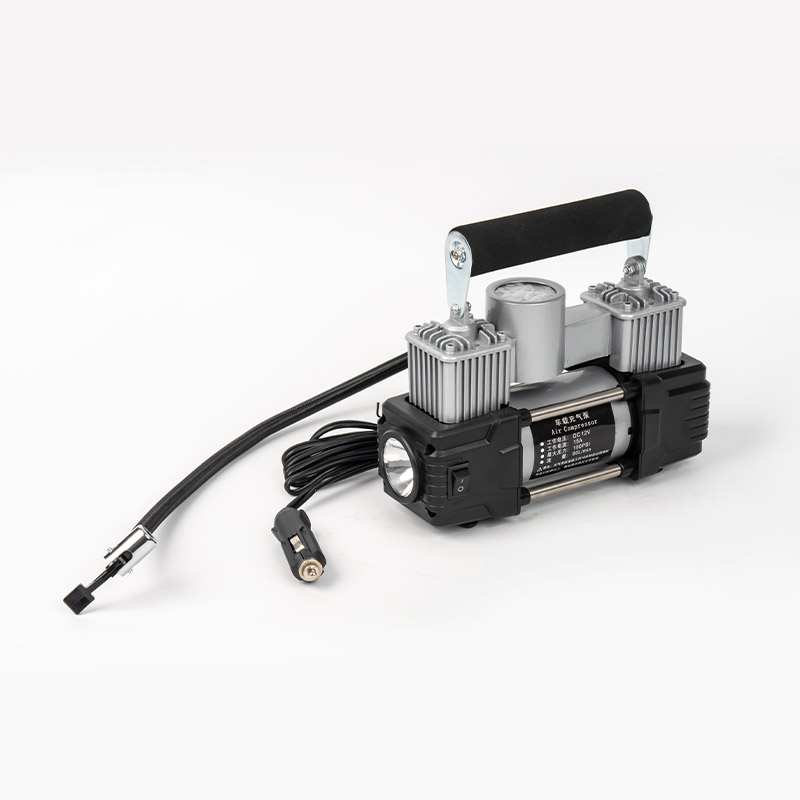
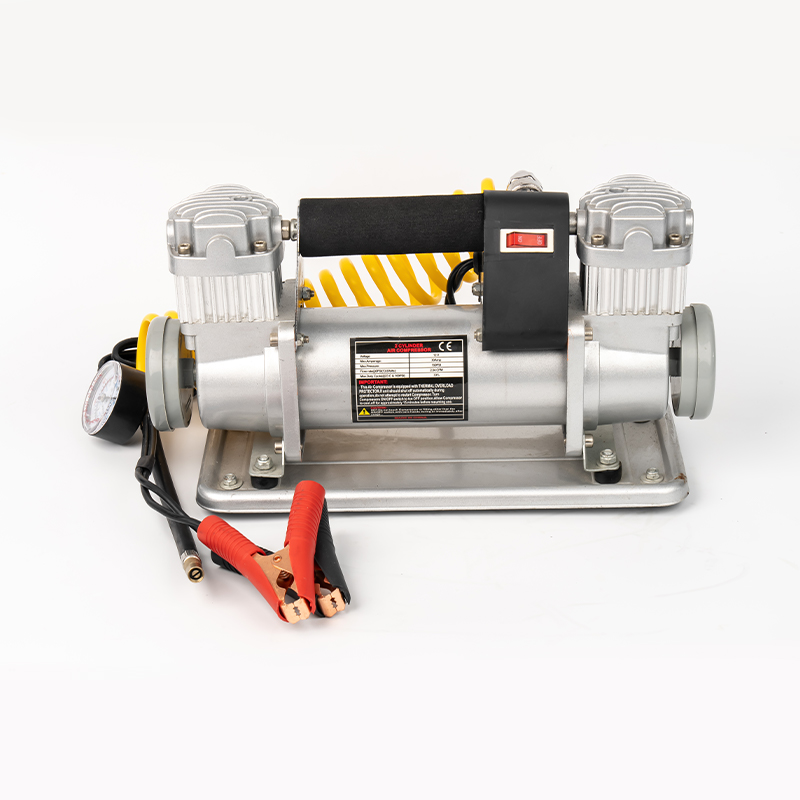
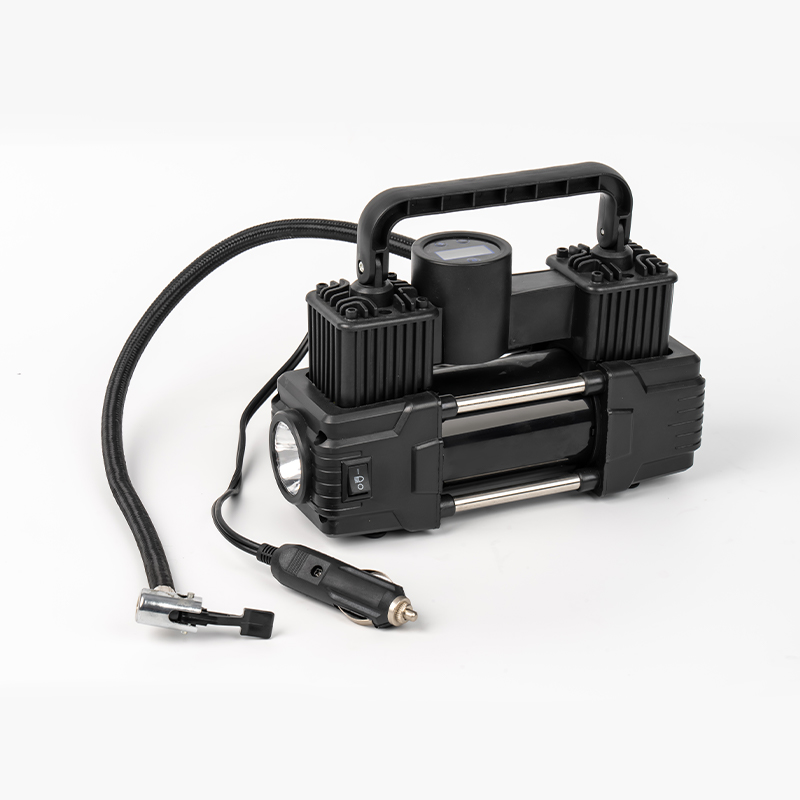
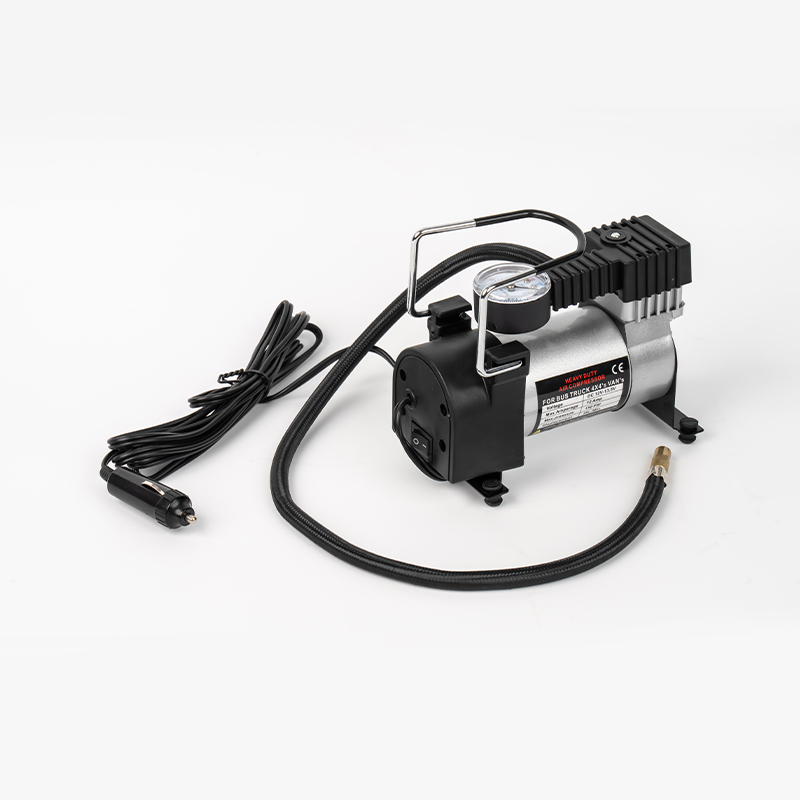
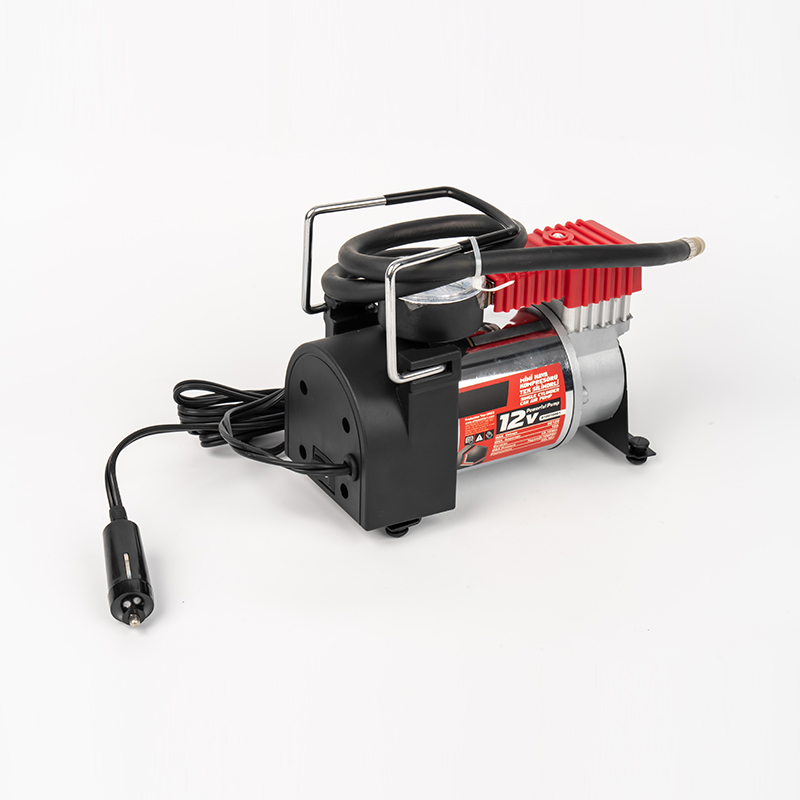
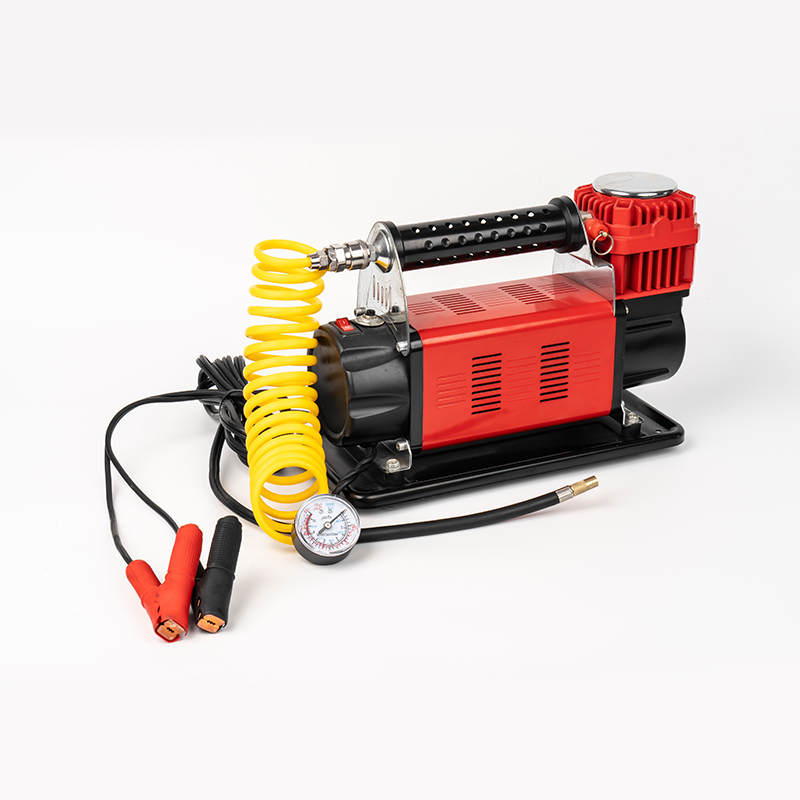
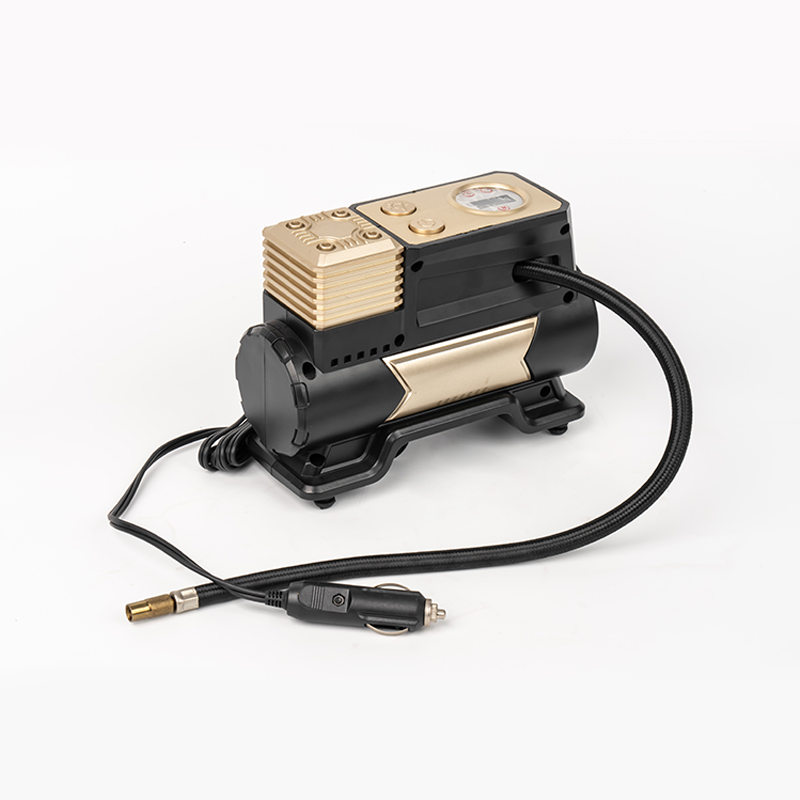
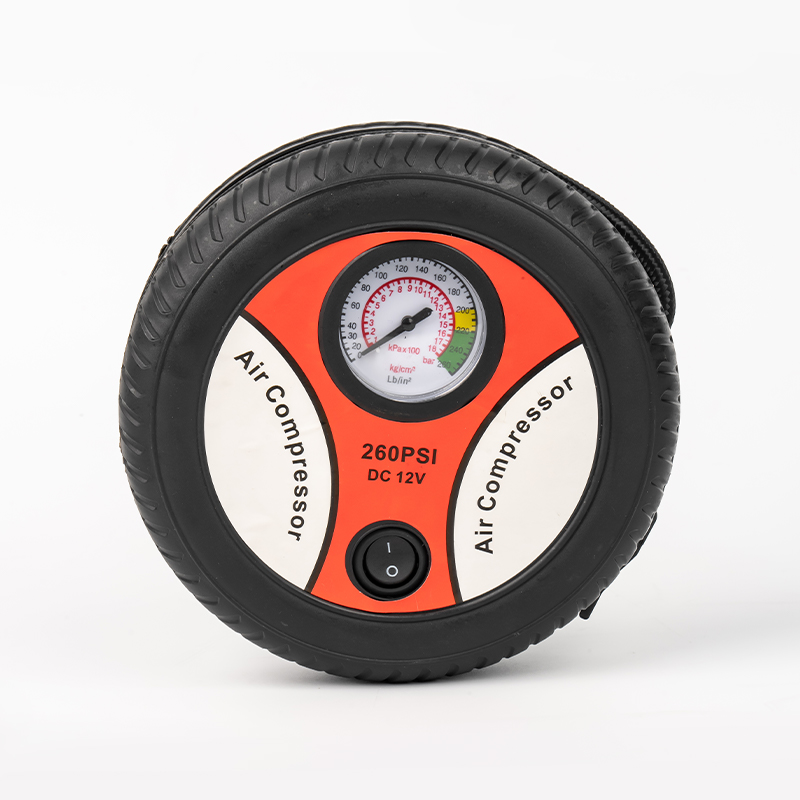
A Vehicle Air Compressor is a compact mechanical device that draws power from a vehicle’s electrical system—typically through a 12V DC cigarette lighter socket or directly from the battery—to compress air and inflate tires. Modern designs are optimized for portability, ease of use, and rapid inflation.
Key Components of a Vehicle Air Compressor
- Electric Motor: Powers the compression process.
- Piston or Diaphragm: Compresses ambient air.
- Pressure Hose: Transfers air into the tire.
- Pressure Gauge: Displays real-time tire pressure.
- Power Connector: Connects to a vehicle power source.
Many advanced models also feature digital displays, automatic shut-off functions, LED lighting, and multi-nozzle compatibility.
Why Emergency Roadside Situations Demand Reliable Solutions
Roadside emergencies often occur at inconvenient times—late at night, during harsh weather, or in remote areas far from service stations. In such moments, waiting for roadside assistance can be time-consuming and costly.
Common Tire-Related Emergencies
- Gradual air leakage from worn valves
- Pressure loss due to temperature changes
- Minor punctures that do not fully flatten the tire
- Underinflated spare tires
In these scenarios, having a Vehicle Air Compressor readily available can restore safe driving conditions and prevent further damage to tires and wheels.
How Effective Is a Vehicle Air Compressor in Emergencies?
The effectiveness of a vehicle air compressor depends on several factors, including power output, airflow rate, durability, and ease of operation. When evaluated for emergency roadside use, most quality compressors perform exceptionally well for passenger vehicles.
Speed and Inflation Performance
Most portable compressors can inflate a standard car tire from 0 to 35 PSI in 5 to 10 minutes. While this is slower than industrial compressors, it is fast enough to get drivers safely back on the road.
Ease of Use Under Pressure
During emergencies, simplicity matters. Modern vehicle air compressors are designed with intuitive controls, clear displays, and preset pressure functions, reducing user error even for inexperienced drivers.
Comparison: Vehicle Air Compressor vs Other Emergency Options
Vehicle Air Compressor vs Spare Tire
| Aspect |
Vehicle Air Compressor |
Spare Tire |
| Storage Space |
Compact and lightweight |
Bulky and heavy |
| Ease of Use |
Simple plug-and-play |
Requires tools and physical effort |
| Use Case |
Underinflation or minor leaks |
Severe tire damage |
A vehicle air compressor complements a spare tire rather than replacing it. While it cannot fix major blowouts, it is ideal for maintaining proper pressure and extending tire usability.
Vehicle Air Compressor vs Roadside Assistance
- Time Efficiency: Immediate access without waiting.
- Cost Savings: No per-call service fees.
- Independence: Ideal for remote or rural locations.
Although roadside assistance is valuable, a vehicle air compressor provides instant support when help is delayed or unavailable.
Advantages of Using a Vehicle Air Compressor for Emergencies
Portability and Accessibility
Designed to fit easily in a trunk or under a seat, a Vehicle Air Compressor is always within reach, making it highly practical for daily drivers and long-distance travelers.
Cost-Effective Safety Investment
Compared to repeated roadside service calls, purchasing a compressor is a one-time investment that offers long-term value.
Versatility Beyond Emergencies
- Routine tire pressure maintenance
- Inflating bicycle and motorcycle tires
- Sports equipment and inflatables
This versatility increases the overall usefulness of the device beyond emergency situations.
Limitations to Consider
Despite its benefits, a vehicle air compressor is not a universal solution.
Power Limitations
Compact models may struggle with large truck or off-road tires, requiring longer inflation times or higher-duty compressors.
Not Suitable for Severe Damage
If a tire has a large puncture, sidewall damage, or complete blowout, inflation alone will not solve the problem.
Heat and Duty Cycle Constraints
Continuous operation can cause overheating. Most units recommend rest intervals during extended use.
Key Features to Look for in an Emergency-Ready Vehicle Air Compressor
Pressure Range and Accuracy
Look for compressors capable of reaching at least 100 PSI with reliable pressure readings.
Automatic Shut-Off Function
This feature prevents overinflation and enhances safety during nighttime or stressful conditions.
Durability and Build Quality
Metal components and reinforced hoses ensure longer service life, especially in harsh environments.
Integrated Lighting
LED lights improve visibility during roadside emergencies at night or in low-light conditions.
Real-World Scenarios Where a Vehicle Air Compressor Proves Essential
- Late-night pressure warning on a highway
- Remote countryside driving without service stations
- Cold weather causing sudden pressure drops
- Long road trips with varying terrain
In these cases, a Vehicle Air Compressor provides peace of mind and immediate control.
Environmental and Safety Benefits
Maintaining correct tire pressure reduces rolling resistance, improves fuel efficiency, and lowers carbon emissions. From a safety perspective, properly inflated tires improve braking, handling, and overall vehicle stability.
Frequently Asked Questions (FAQ)
Can a Vehicle Air Compressor fully replace a spare tire?
No. A vehicle air compressor is best for underinflated tires or minor leaks. Severe damage still requires a spare tire or professional repair.
Is it safe to use a vehicle air compressor on the roadside?
Yes, when used correctly. Drivers should park safely, activate hazard lights, and follow the manufacturer’s instructions.
How long does it take to inflate a tire using a vehicle air compressor?
Most passenger car tires can be inflated within 5–10 minutes, depending on compressor capacity and tire size.
Does using a vehicle air compressor drain the car battery?
Minimal battery drain occurs when the engine is running. It is recommended to keep the vehicle engine on during operation.
Are vehicle air compressors suitable for SUVs and light trucks?
Yes, but higher-capacity models are recommended for larger tires to ensure efficient inflation.
How often should a vehicle air compressor be tested?
Periodic testing every few months ensures the device remains functional when emergencies arise.
Overall Assessment of Emergency Suitability
A Vehicle Air Compressor stands out as a reliable, efficient, and practical tool for emergency roadside use. While it does not replace professional repair services or spare tires, it significantly enhances a driver’s ability to respond quickly to common tire-related issues.
For everyday drivers, fleet operators, and long-distance travelers alike, a quality vehicle air compressor represents a smart addition to any emergency kit—offering convenience, safety, and confidence when it matters most.

 English
 Español
 عربى
عربى Türk
Türk