 English
 Español
 عربى
عربى Türk
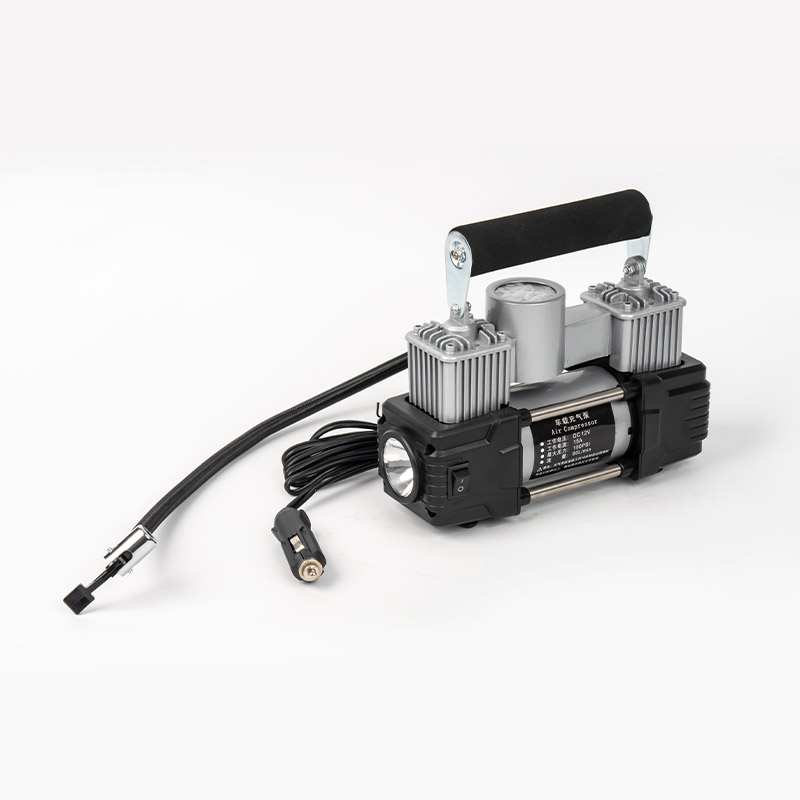
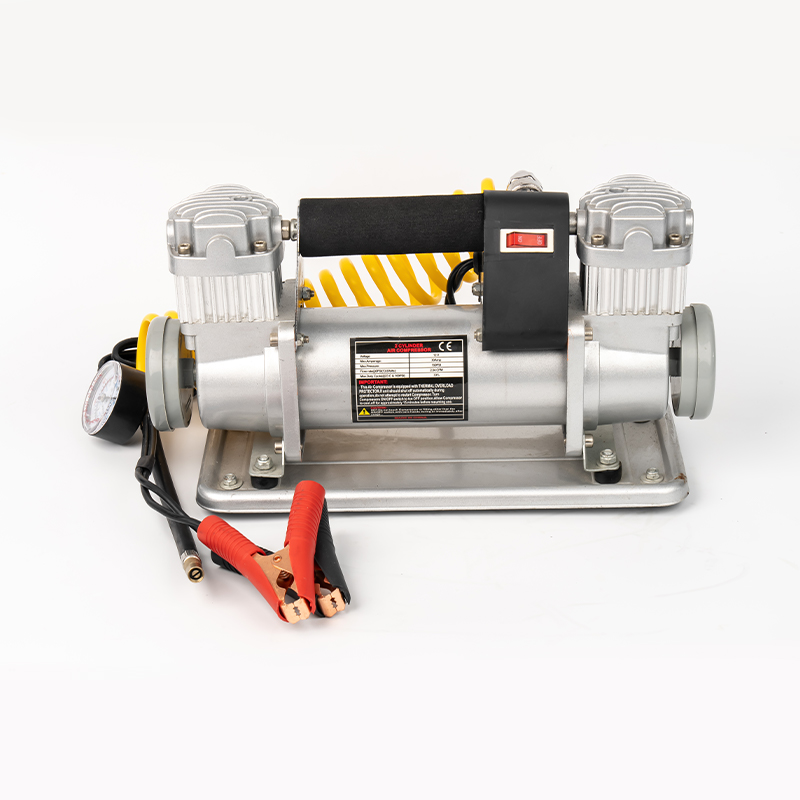
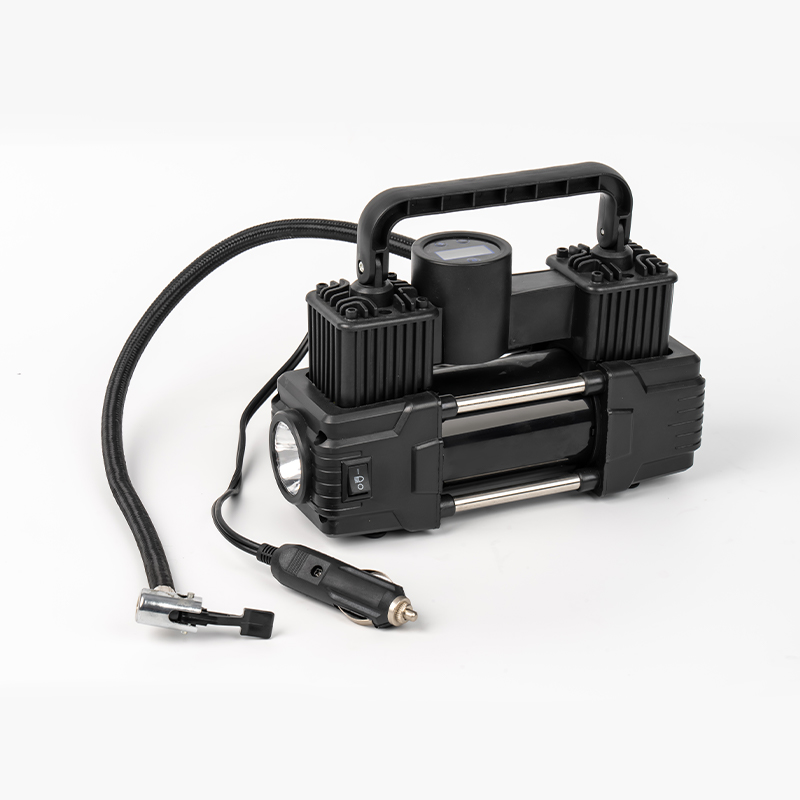
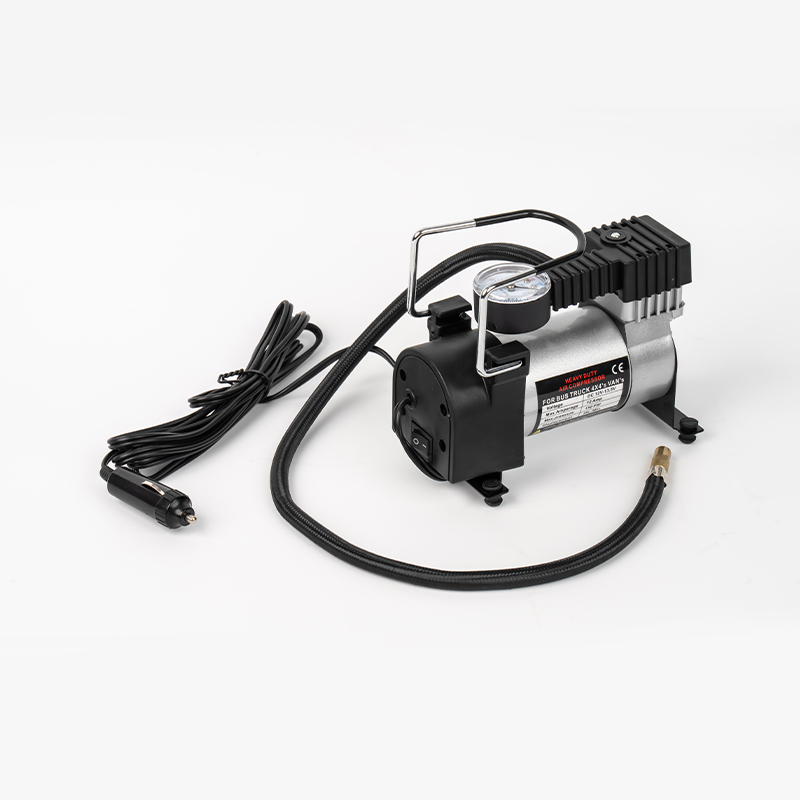
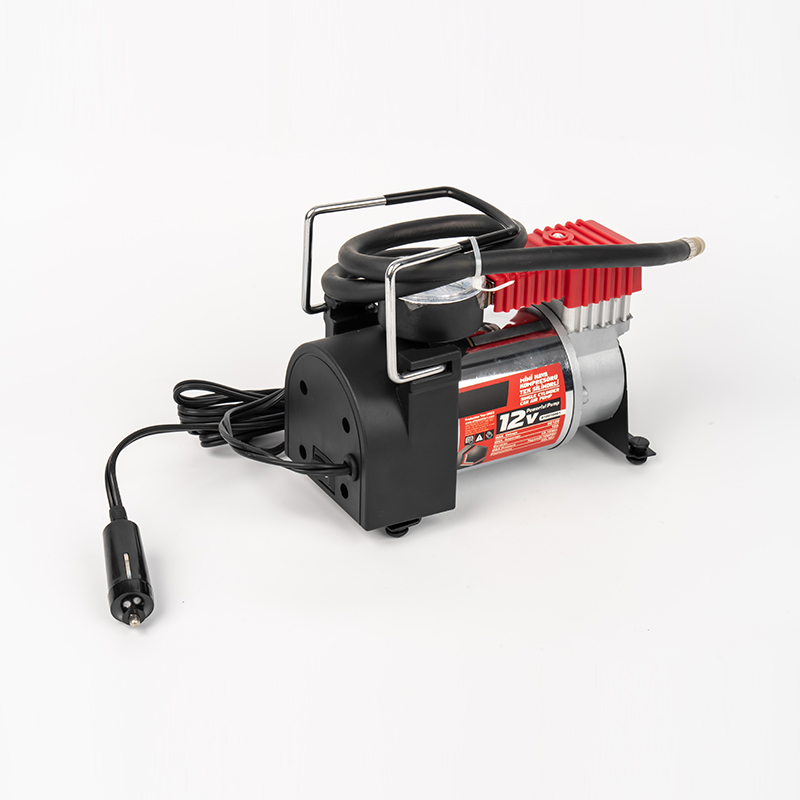
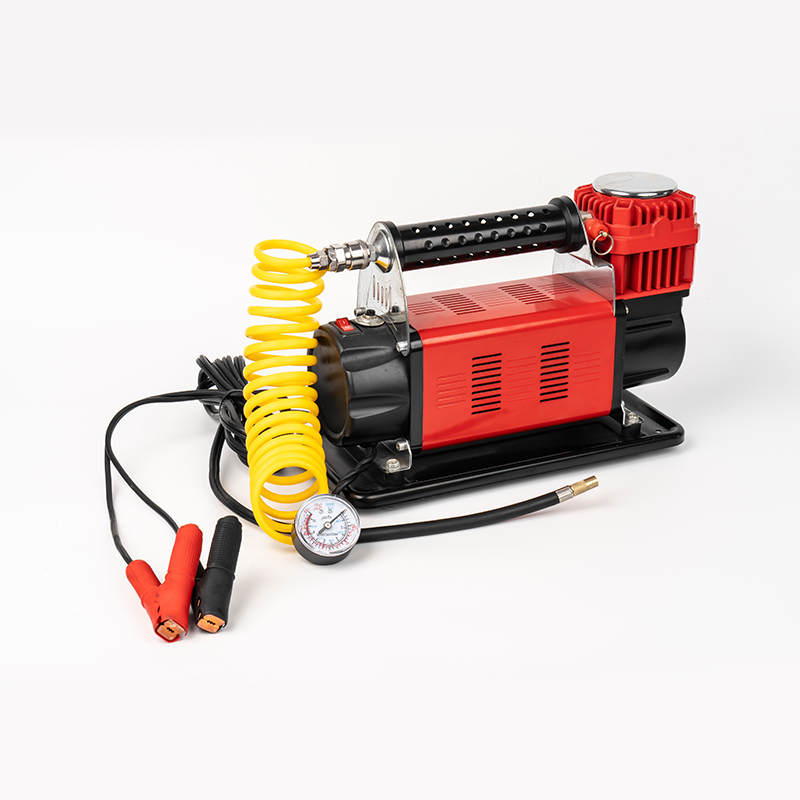
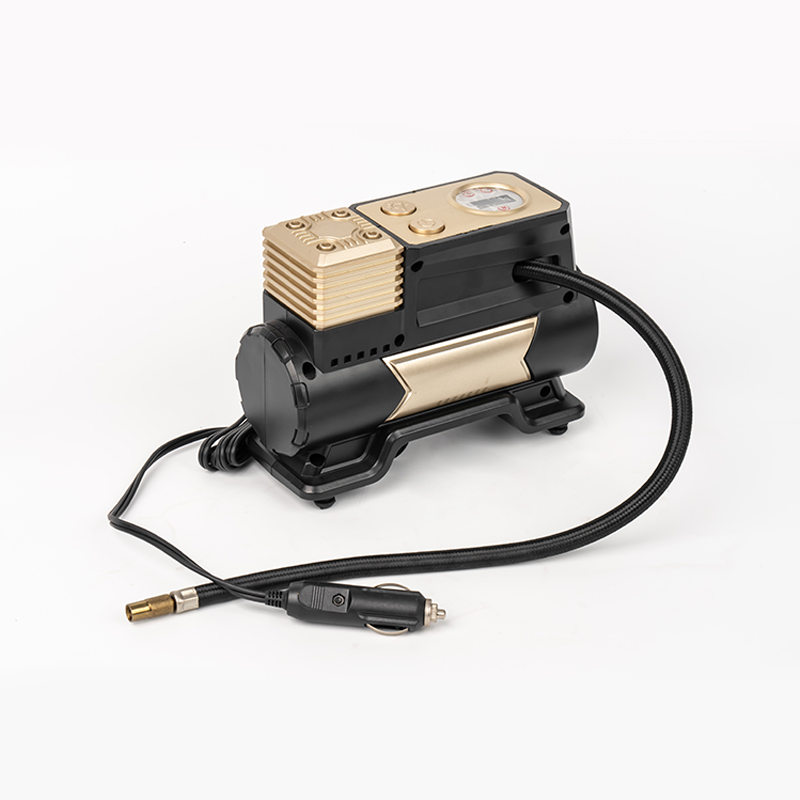
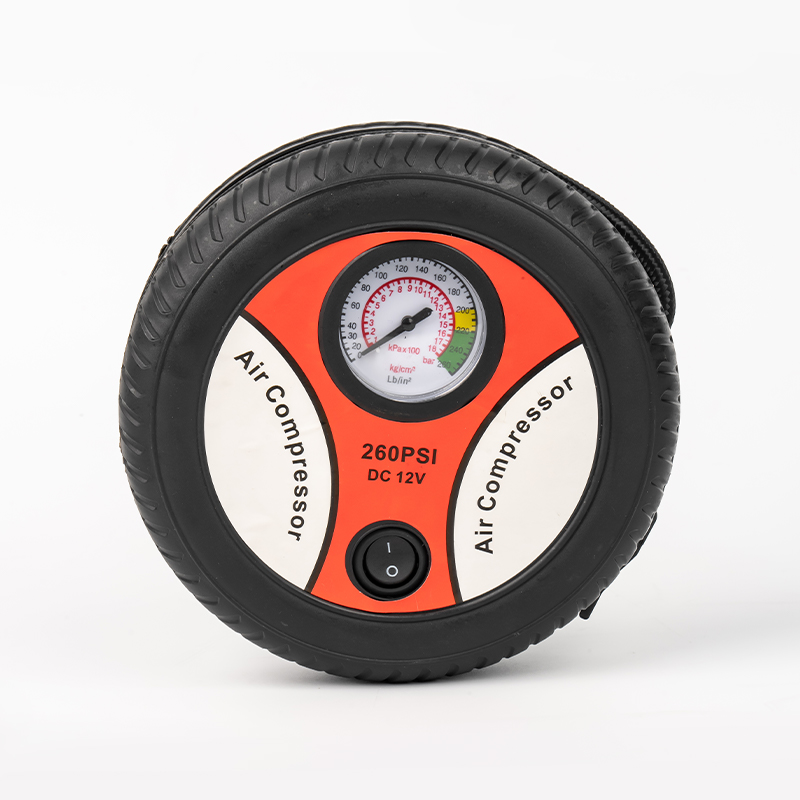
TürkA portable air compressor for car is a compact, battery-powered or 12V-powered device that inflates tires on the go — without needing a gas station or garage. If you've ever been stranded with a low tire on a highway, or watched your fuel economy quietly drop because your tires were 6 PSI too low, this single tool solves both problems. In 2026, owning a reliable car tire inflator is no longer a luxury — it is essential roadside safety gear.
This guide breaks down everything you need to know: how these devices work, which features actually matter, how to compare specs, and what to look for before buying.
Content
- Why Tire Pressure Matters More Than Most Drivers Realize
- How Does a Portable Air Compressor for Car Work?
- Which Features Should You Look for in a Portable Car Air Compressor?
- Portable Air Compressor for Car: Key Specs Compared
- Which Is Better: Corded 12V or Cordless Battery Tire Inflator?
- How to Use a Portable Air Compressor for Your Car: Step-by-Step
- What Else Can a Portable Car Air Compressor Inflate?
- How to Maintain Your Portable Air Compressor for Long-Term Use
- Frequently Asked Questions: Portable Air Compressor for Car
- Q: Can a portable air compressor fully inflate a flat car tire?
- Q: How long does a portable tire inflator take to fill a car tire?
- Q: Is it safe to leave a portable air compressor in a hot car?
- Q: What PSI should I inflate my car tires to?
- Q: How often should I check tire pressure with a portable compressor?
- Q: Can I use a portable car air compressor on a motorcycle or bicycle?
- Q: Does a portable air compressor replace a spare tire?
- What to Buy: Choosing the Right Portable Air Compressor for Your Car
- Final Word: Why a Portable Air Compressor for Your Car Is Worth It
Why Tire Pressure Matters More Than Most Drivers Realize
Proper tire pressure is directly linked to safety, fuel efficiency, and tire lifespan — yet studies show over 40% of vehicles on U.S. roads have at least one underinflated tire (NHTSA, 2023). Underinflation by just 8 PSI can increase braking distance by up to 11% and reduce tire life by 25%.
Temperature also plays a role. For every 10°F drop in outside temperature, tire pressure drops roughly 1 PSI. That means a tire that was properly inflated in summer at 85°F could lose 4–5 PSI by a cold winter morning at 25°F — without a single nail in sight.
A portable tire inflator for car lets you correct this instantly, wherever you are.
How Does a Portable Air Compressor for Car Work?
Most portable car air compressors use a small electric motor to drive a piston or rotary pump that compresses ambient air and pushes it through a hose into the tire valve. Power comes from one of three sources:
- 12V DC (car lighter/power port): Most common for road use. Plugs directly into your car's cigarette lighter socket. Reliable but requires the vehicle to be running.
- Built-in rechargeable lithium battery: Cordless freedom. Ideal when the car is off or when you need to inflate items far from a vehicle. Battery models typically hold 6,000–10,000 mAh.
- AC wall plug: Less portable, better for home garage use or higher-volume inflation tasks.
Most modern units include a digital pressure gauge and auto-shutoff: you dial in your target PSI, press start, and the compressor stops automatically when that pressure is reached — eliminating overinflation risk.
Which Features Should You Look for in a Portable Car Air Compressor?
Not all portable air compressors for cars are equal. The best model depends on your vehicle type, use frequency, and storage space. Here are the seven features that matter most:
1. Maximum PSI Output
Standard passenger car tires require 30–35 PSI. SUVs and light trucks may need up to 45 PSI. If you drive a truck or plan to inflate sports balls, bike tires, or air mattresses, look for a max output of at least 150 PSI for versatility.
2. Inflation Speed (LPM — Liters Per Minute)
Flow rate determines how fast a tire fills. A low-power unit at 15–20 LPM may take 6–8 minutes per tire. Mid-range units at 35–40 LPM take under 4 minutes. For most drivers, 35 LPM is the sweet spot between speed and compact size.
3. Auto-Shutoff & Digital Gauge Accuracy
Preset pressure with auto-shutoff is non-negotiable for safe, accurate inflation. Look for units with ±1 PSI accuracy. Some budget models have gauges that read up to 3 PSI off — a meaningful margin when your target is 33 PSI.
4. Power Source: Corded vs. Cordless
Cordless battery-powered tire inflators offer the most freedom. A 6,000 mAh battery typically inflates 2–3 flat car tires on a single charge. Corded 12V models are more reliable for long sessions without battery anxiety, but you need the engine running.
5. Hose Length
A hose length of at least 24 inches (60 cm) is practical for most cars. Longer hoses (40+ inches) are helpful for trucks and vans where you may not be able to place the compressor close to the valve stem.
6. Noise Level
Most portable compressors operate at 70–85 dB — roughly the level of a vacuum cleaner. If you frequently inflate tires in residential areas or quiet campgrounds, noise matters. Some newer brushless motor models run quieter at 65–70 dB.
7. Built-in LED Light
A built-in LED flashlight is a practical bonus — most roadside tire incidents happen at night or in low-light conditions. It's a small feature that becomes invaluable in real emergencies.
Portable Air Compressor for Car: Key Specs Compared
To help you choose the right portable car tire inflator, here is a side-by-side comparison of the three most common types by use case:
| Feature | Budget Corded (12V) | Mid-Range Cordless | Premium Cordless |
| Max PSI | 100 PSI | 150 PSI | 150–160 PSI |
| Flow Rate | 15–20 LPM | 30–40 LPM | 40–60 LPM |
| Battery Capacity | None (corded) | 6,000 mAh | 9,000–10,000 mAh |
| Auto-Shutoff | Some models | Yes | Yes |
| Gauge Accuracy | ±2–3 PSI | ±1–2 PSI | ±0.5–1 PSI |
| Inflation Time (flat tire) | 6–9 min | 3–5 min | 2–4 min |
| LED Light | Rare | Common | Yes |
| Typical Price Range | $15–$30 | $40–$70 | $80–$130 |
| Best For | Budget commuters | Most drivers | Trucks, SUVs, frequent travelers |
Table Note: Specs represent typical ranges across common market categories. Always verify the exact specifications of any model before purchasing.
Which Is Better: Corded 12V or Cordless Battery Tire Inflator?
For most everyday drivers, a cordless battery-powered portable air compressor is the better choice — but corded models still have a valid place in certain scenarios.
Corded 12V Compressors — Pros and Cons
- Pro: No charging required — works whenever the car runs
- Pro: Lower upfront cost (often under $25)
- Con: Requires vehicle to be on or nearby
- Con: Cord length limits positioning flexibility
- Con: Many budget models lack auto-shutoff precision
Cordless Battery Compressors — Pros and Cons
- Pro: Fully portable — works away from any vehicle
- Pro: Can double as a power bank (USB-A/C output) on many models
- Pro: Faster inflation and better digital controls
- Con: Needs periodic recharging (recommend monthly top-off)
- Con: Higher initial investment ($40–$130)
How to Use a Portable Air Compressor for Your Car: Step-by-Step
Using a portable tire inflator correctly ensures accurate inflation and avoids damage to the valve stem or compressor.
- Check your recommended PSI. Find it on the sticker inside the driver's door jamb or in your owner's manual — not on the tire sidewall, which lists the maximum, not recommended, pressure.
- Remove the valve cap from the tire stem and store it safely.
- Attach the inflation hose nozzle firmly to the valve stem. A loose connection causes air loss and inaccurate readings.
- Set your target PSI on the digital display using the + / - buttons.
- Power on and inflate. The compressor will run and stop automatically when your preset PSI is reached.
- Detach the hose, replace the valve cap, and check the reading with the compressor's gauge or a separate gauge.
- Repeat for each tire. Allow the compressor to cool for 5–10 minutes between tires if inflating from completely flat.
What Else Can a Portable Car Air Compressor Inflate?
A good portable air compressor is far more versatile than just car tires. Most units come with multiple nozzle adapters:
- Bicycle and motorcycle tires — Presta and Schrader valve adapters are usually included
- Sports balls — footballs, basketballs, soccer balls via needle adapter
- Inflatable paddle boards and kayaks — via wide air bladder adapter (check max PSI compatibility)
- Air mattresses and camping gear — travel pillows, inflatable tents
- Pool toys and floaties
This multi-use capability makes a quality portable compressor a smart investment well beyond roadside emergencies.
How to Maintain Your Portable Air Compressor for Long-Term Use
A well-maintained portable car air compressor can last 5–8 years. Follow these simple steps:
- Recharge the battery monthly even when not in use — lithium batteries degrade faster when stored at 0%.
- Store in a carrying bag or case to prevent dust buildup in the motor vents.
- Check the air filter (if present) every 6 months and blow out any debris.
- Inspect the hose for cracks before each use — a damaged hose causes pressure loss and inaccurate readings.
- Avoid continuous use beyond the duty cycle — most models specify a 10–20 minute max run time before a cooldown period is needed.
Frequently Asked Questions: Portable Air Compressor for Car
Q: Can a portable air compressor fully inflate a flat car tire?
Yes, in most cases — but with conditions. A portable compressor can inflate a tire that has lost pressure due to temperature drop or a slow leak. However, if a tire is flat due to a large puncture or blowout, you will need to plug or patch the tire first, as the compressor cannot maintain pressure if air is escaping quickly.
Q: How long does a portable tire inflator take to fill a car tire?
Typically 3–8 minutes, depending on flow rate and starting pressure. A completely flat standard passenger tire (from 0 to 32 PSI) takes about 5–8 minutes on a mid-range unit (35 LPM). Topping up from 26 to 33 PSI takes under 2 minutes.
Q: Is it safe to leave a portable air compressor in a hot car?
For corded models, yes. For battery-powered models, avoid prolonged exposure to temperatures above 113°F (45°C). Car interiors can reach 140°F+ in summer, which accelerates lithium battery degradation. Store cordless models in your home or a cool compartment like a shaded trunk bag.
Q: What PSI should I inflate my car tires to?
Follow the vehicle manufacturer's recommendation, typically 30–35 PSI for passenger cars and 35–45 PSI for SUVs and trucks. This information is found on the label inside the driver's door frame. Do not use the maximum PSI printed on the tire itself.
Q: How often should I check tire pressure with a portable compressor?
At minimum, once per month and before any long road trip. The U.S. Department of Transportation recommends monthly checks as a standard safety practice. During winter months — when pressure drops fastest — bi-weekly checks are ideal.
Q: Can I use a portable car air compressor on a motorcycle or bicycle?
Yes, most models include adapters for both Schrader (car/motorcycle) and Presta (road bike) valves. Verify max PSI supports your bike's requirements — road bike tires often need 80–130 PSI, which requires a model rated for at least 150 PSI.
Q: Does a portable air compressor replace a spare tire?
No — but it complements one and handles the majority of real-world low-tire situations. According to AAA, approximately 70% of roadside tire calls involve underinflation rather than a true flat. A compressor handles these cases instantly. For actual blowouts, a spare or run-flat tire is still necessary.
What to Buy: Choosing the Right Portable Air Compressor for Your Car
The best portable air compressor for a car depends on your specific needs. Here is a quick recommendation framework:
| Your Situation | Recommended Type | Key Spec to Prioritize |
| Daily commuter, compact car | Cordless, 6,000 mAh | Auto-shutoff, compact size |
| SUV or truck driver | Cordless or corded, high LPM | 40+ LPM, 150 PSI max |
| Road tripper or camper | Cordless, 10,000 mAh | Battery capacity, multi-adapter |
| Tight budget | Corded 12V | Gauge accuracy, hose length |
| Cyclist who also drives | Cordless, 150 PSI | Presta + Schrader adapters |
Table Note: Recommendations are based on typical use-case requirements and should be validated against individual product specifications.
Final Word: Why a Portable Air Compressor for Your Car Is Worth It
A quality portable air compressor for car use is one of the highest-value-per-dollar safety investments you can make as a driver. At $40–$80 for a solid mid-range model, it pays for itself the first time it prevents a AAA call, a $200 tow, or a tire blowout caused by chronic underinflation.
Beyond emergencies, it empowers better daily tire maintenance — which the U.S. DOT estimates could save the average driver up to $0.11 per gallon in fuel costs and add thousands of miles to tire life.
Look for a cordless model with auto-shutoff, at least 35 LPM flow rate, 150 PSI max, and a digital gauge accurate to ±1 PSI. That combination handles virtually every inflation need a driver or outdoor enthusiast will face — from a winter morning pressure drop to a campsite paddleboard.